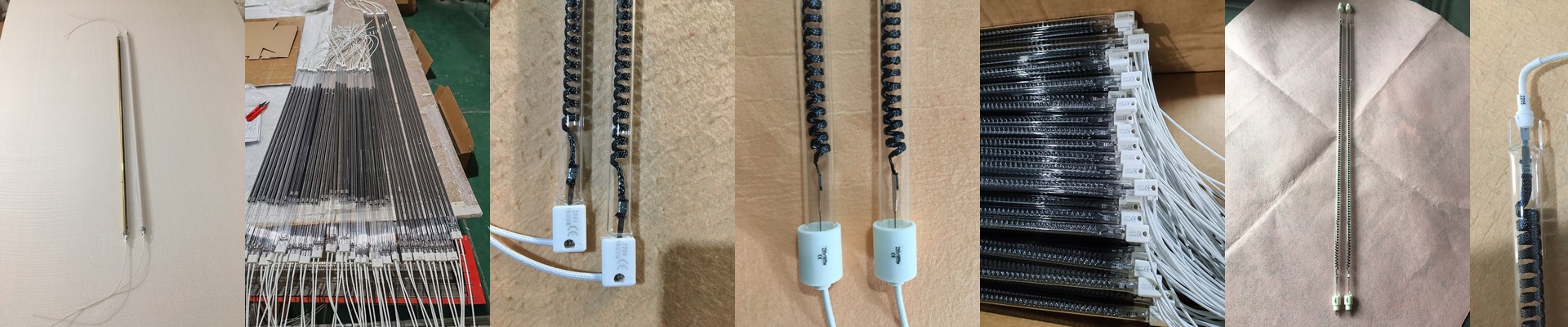
Introduction
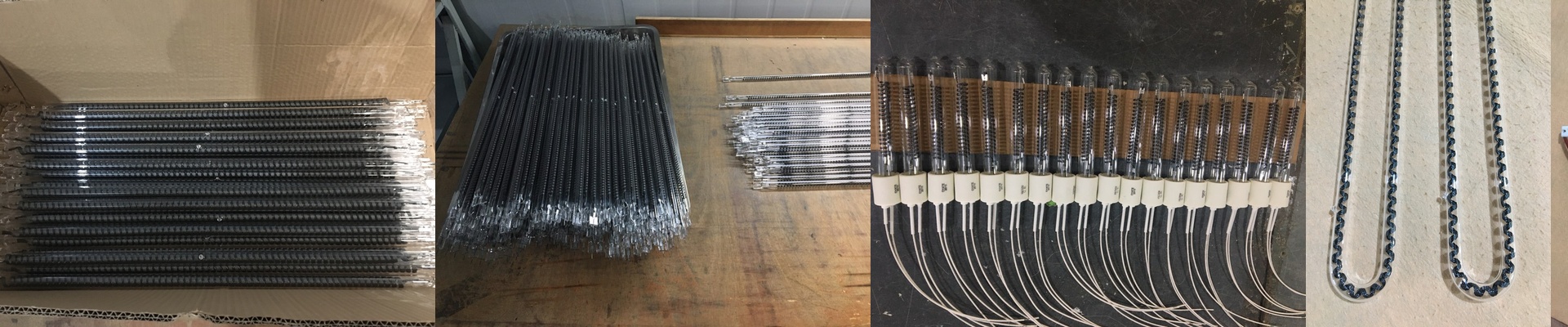
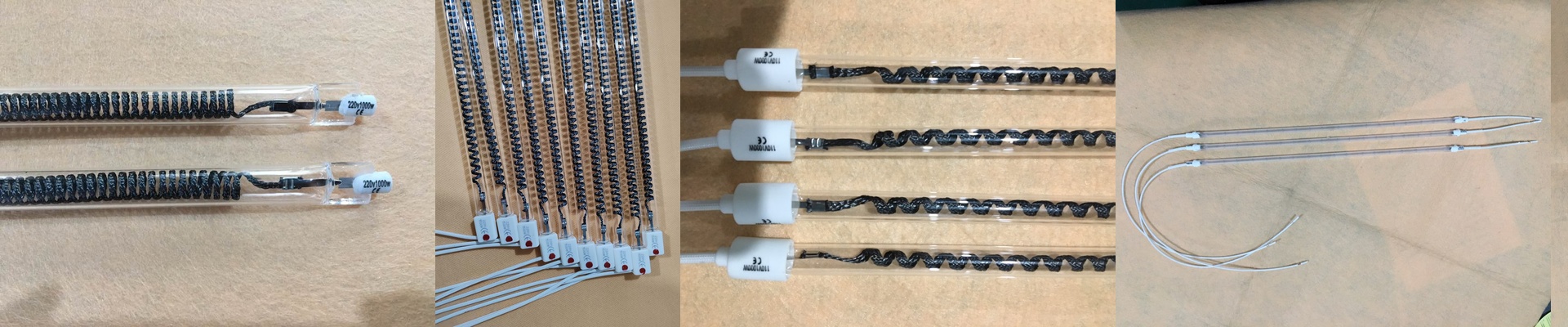
We build infrared carbon heat lamps for industrial work—the kind of heating jobs where you need speed and serious power, right away. These lamps turn electricity straight into infrared heat, warming the target without wasting time heating the air around it. When you order one, you’re not just buying a bulb. You’re buying a complete thermal setup that has to fit your exact electrical needs and your physical space.
The Real Talk on Power, Voltage, and Size
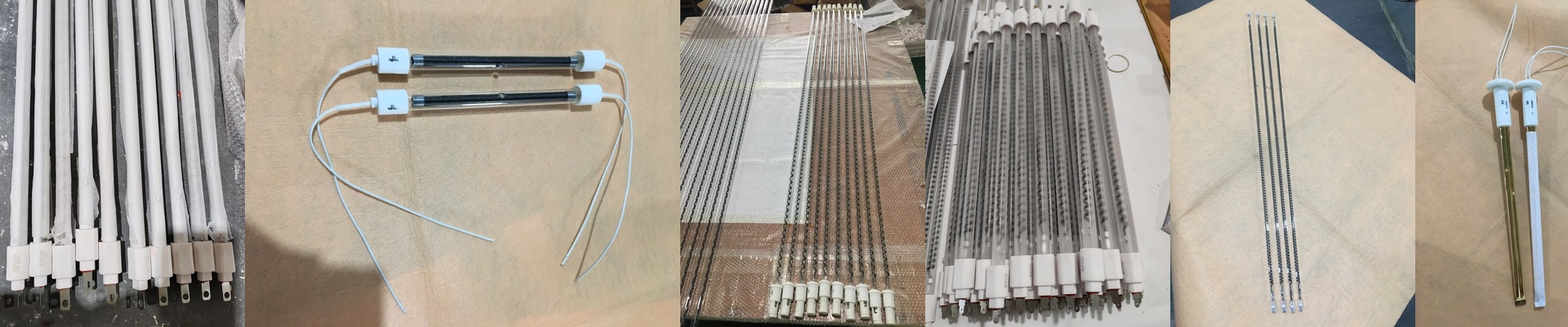
With carbon filament lamps, wattage and voltage are the two numbers that matter. They decide the current, the wire size you need, and how hard the contacts get worked. Take a common setup: 2500W at 400V. That keeps the current lower than a 220V version, which makes wiring easier and cuts voltage drop over long runs. Then there’s length. Most are around 300mm, and that sets the focal distance and your mounting footprint. Get the length right so it matches your reflector and your process window. Too short, and you miss coverage. Too long, and the fixture turns into a bulky headache.
What’s Inside: Filament, Quartz, and the Right Connector
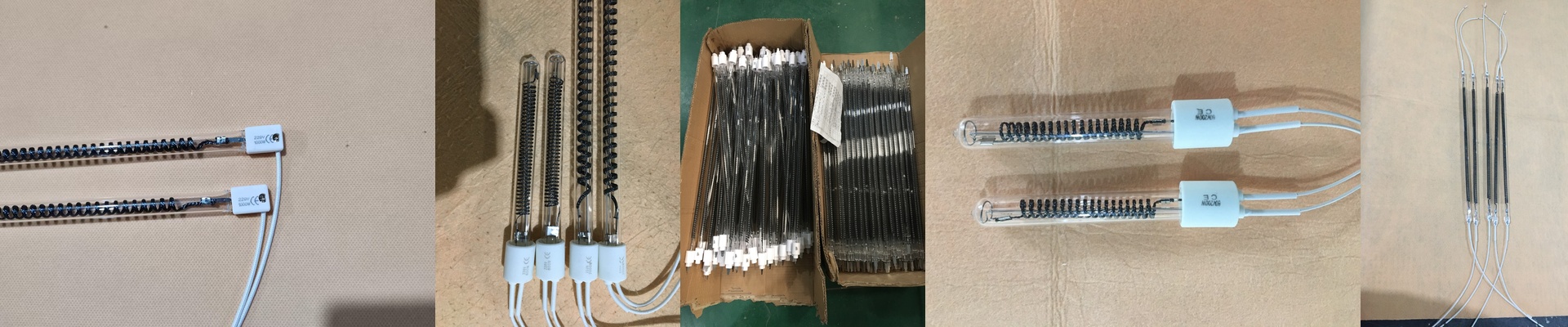
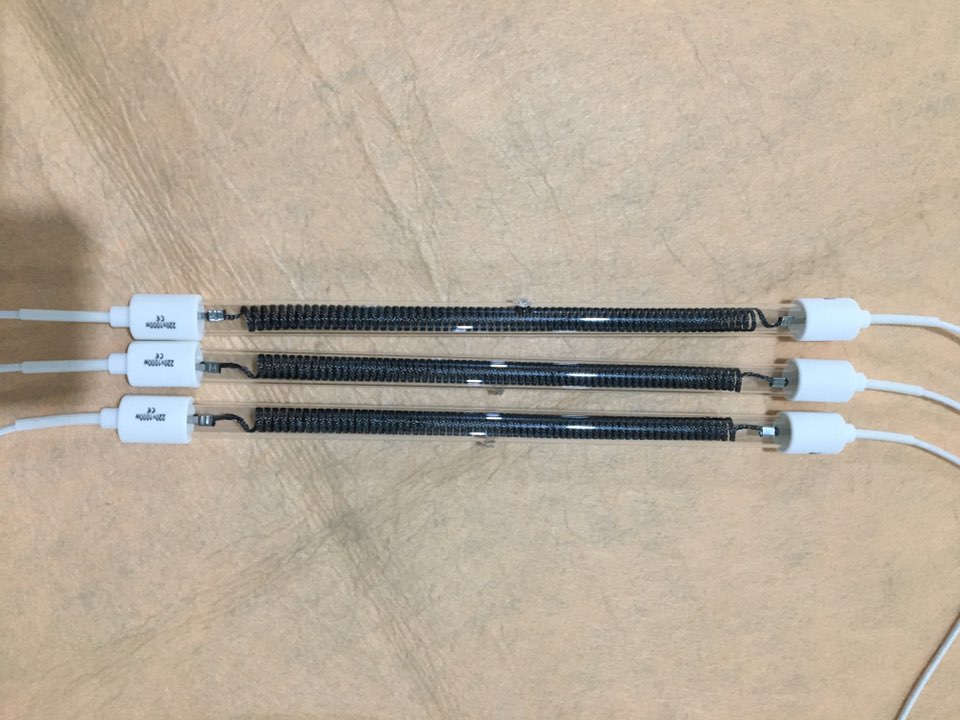
Inside, the carbon filament sits in a quartz envelope. Quartz handles the thermal shock and stays optically clear so the IR gets through cleanly. There’s also an internal halogen cycle that keeps output steady and helps the lamp last longer by preventing blackening. But it needs high temperatures to do its job, so the lamp runs hot—and your fixture has to be ready for that. That’s why we use an R7s double-ended connector. It’s built for high heat, gives solid alignment, good contact pressure, and a secure mechanical lock. It’s simple, serviceable, and tough enough to handle repeated installations without drama.
Where It Shines—And What It Asks For
These lamps are perfect for line-of-sight heating tasks: curing coatings, drying webs, pre-heating components. They start fast, and that instant heat is a real time-saver. The compact tube also makes it easy to fit into existing machines without a redesign. The trade-off is heat density. All that concentrated output means the surrounding equipment needs to be ready to manage the thermal load. Price comes down to wattage, voltage rating, the quality of the quartz, and the connector type—because those choices directly affect reliability and uptime. Infrared, Carbon, Heat Lamp, Industrial, Heating