Introduction
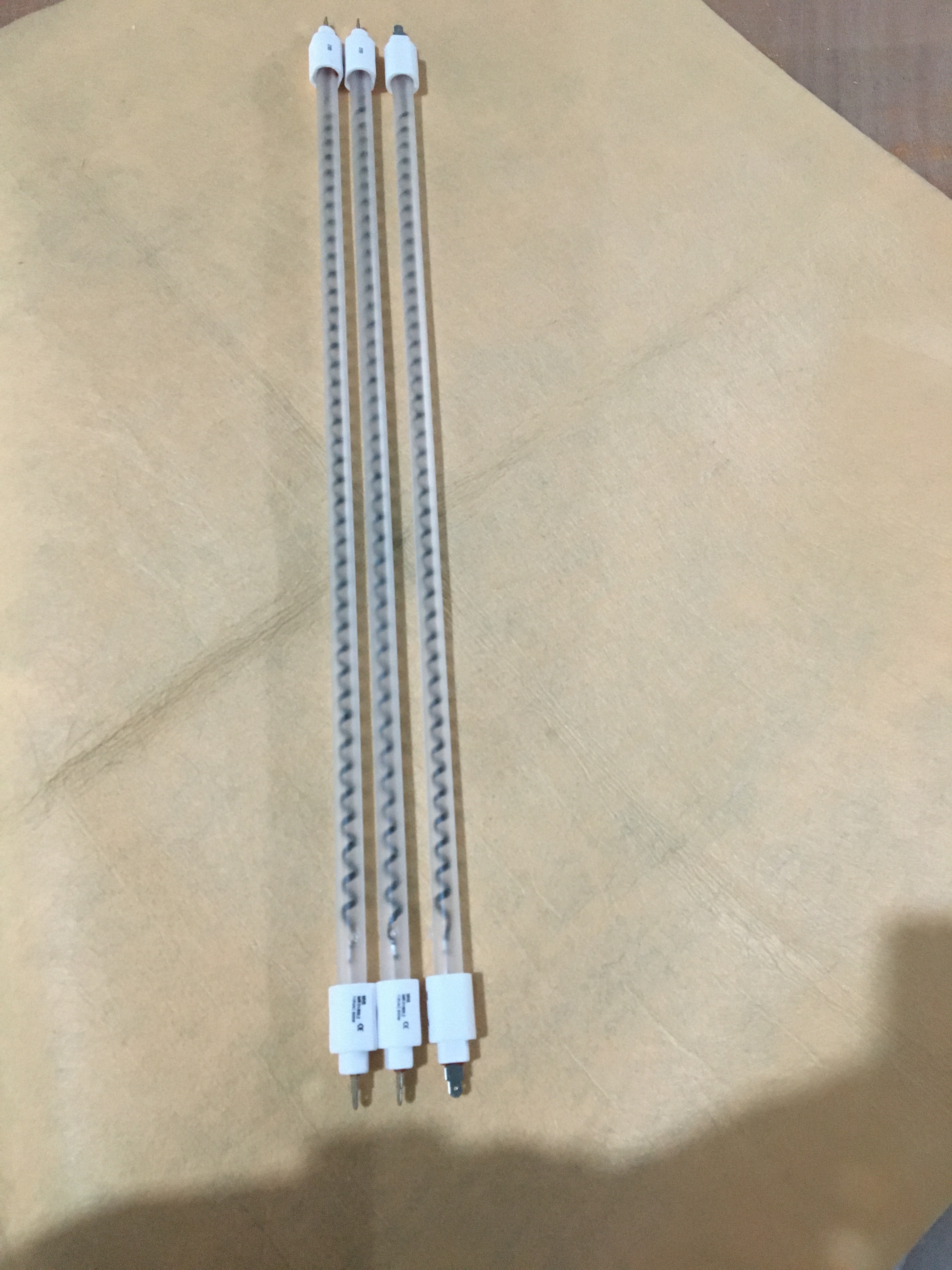
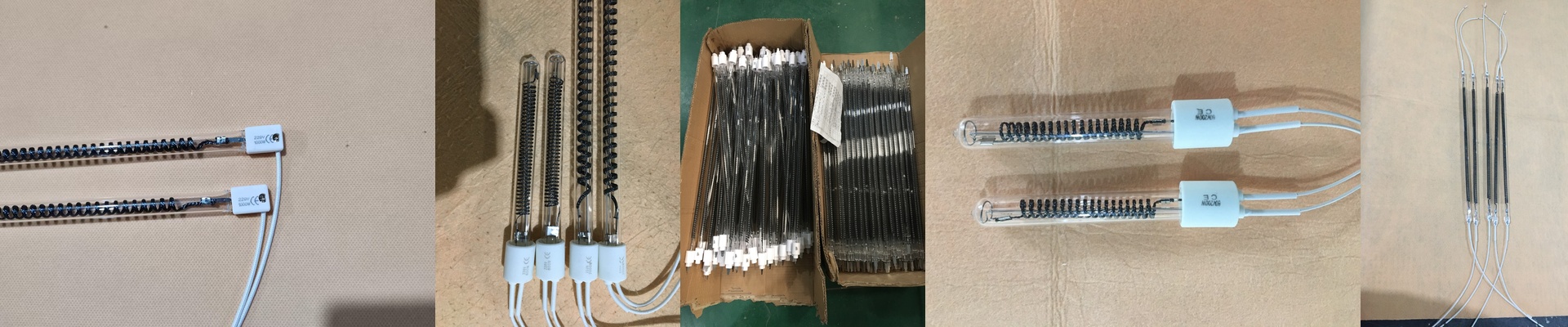
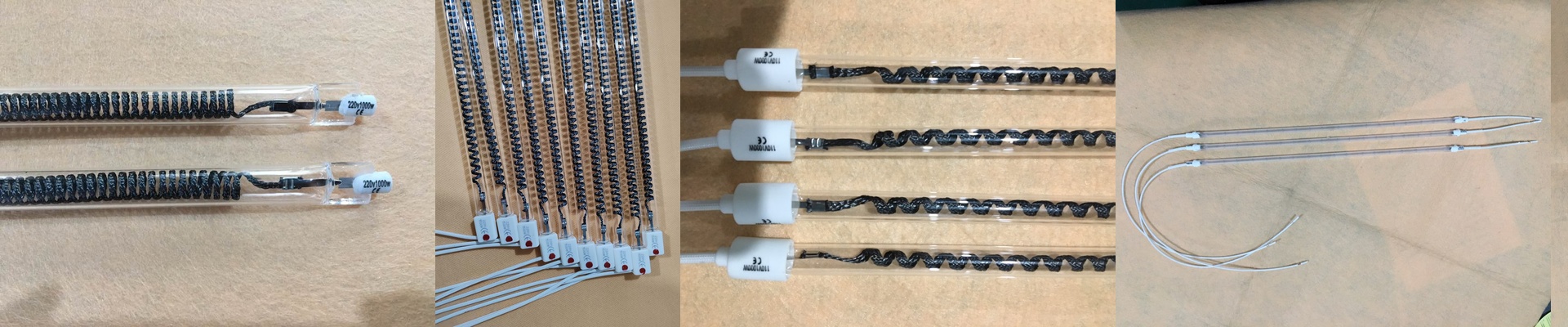
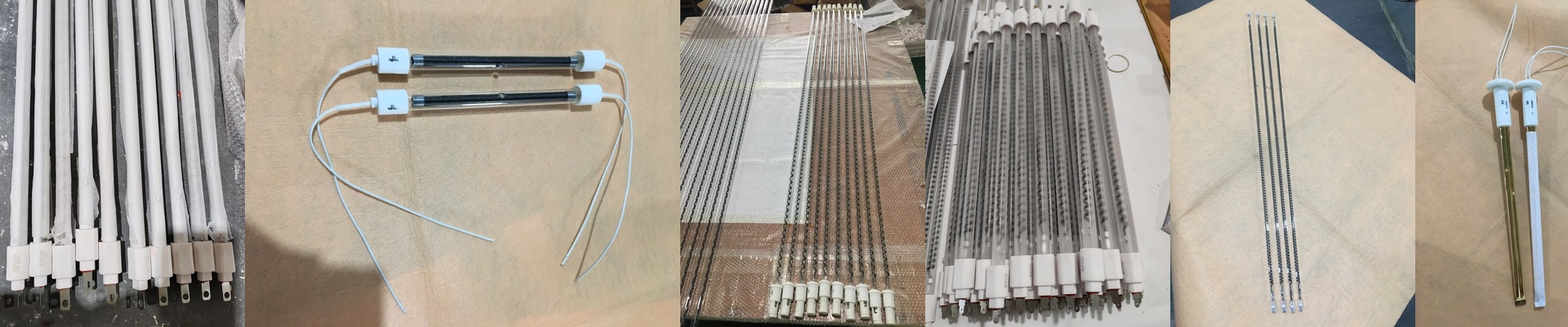
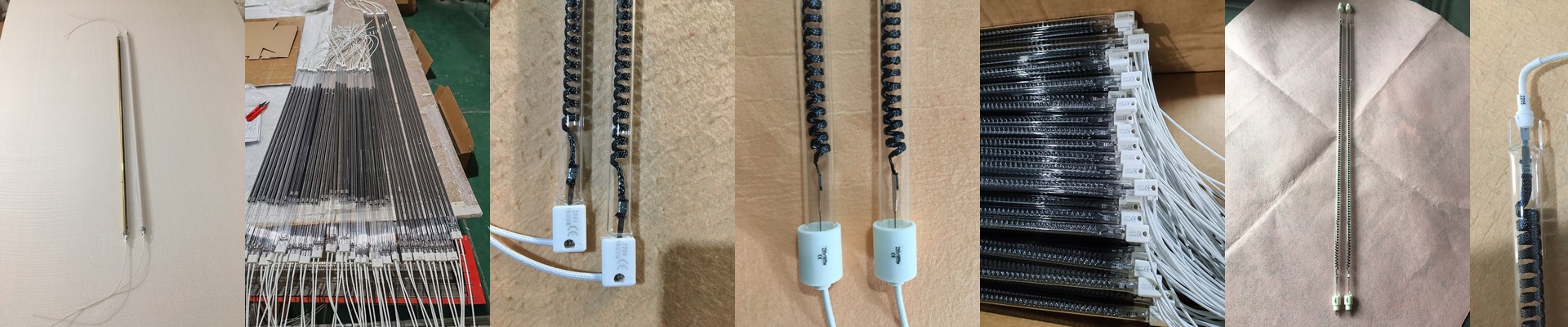
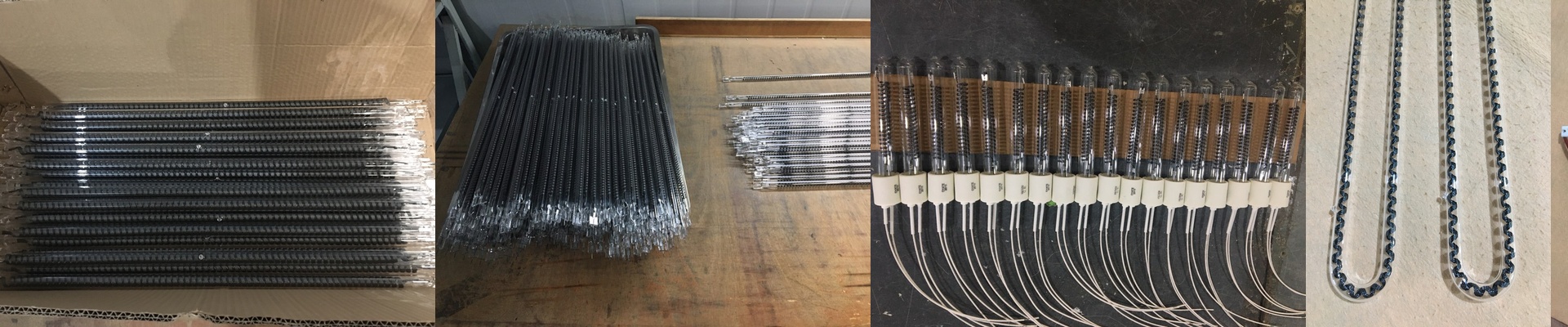
We engineer the 500W round shape carbon fiber heat emitter as a compact, high-intensity infrared source built into a rugged quartz glass envelope. This unit is designed for engineers who need a reliable, drop-in heat module for OEM equipment—machinery that demands fast thermal response, stable output, and a clean mechanical footprint. The round geometry and specific wattage allow it to fit tight spaces while delivering the concentrated energy required for industrial processes.
Technical Deep-Dive: Power, Shape, and Thermal Response
At 500W, this emitter targets a sweet spot for machine-integrated heating: enough power density to heat targets quickly, without requiring the heavy electrical infrastructure of much larger elements. The round shape is not cosmetic. It provides a symmetrical thermal pattern, which simplifies mounting and reduces hot-spot risk on curved or cylindrical targets. A round profile also handles mechanical stress more evenly than flat or irregular forms, so it holds up better when the assembly sees vibration on the line. Carbon fiber elements deliver fast resistive heating with low thermal mass. When you switch power on, the element comes up to operating temperature fast, and when you switch off, it cools quickly. That responsiveness improves cycle times and gives you tighter control in semi-continuous processes. The 500W rating means you can spec multiple emitters in parallel to scale heat output while keeping control circuits simple and predictable.
Material & Design: Why Quartz Glass and Carbon Fiber Work Together
Quartz glass is the right envelope material when you run a high-temperature emitter in an industrial environment. It maintains structural integrity at elevated temperatures, resists thermal shock, and stays transparent to infrared radiation—so the heat energy gets out efficiently instead of being trapped inside the tube. The round quartz housing also provides a stable seal point, protecting the internal element from airflow, dust, and contaminants that can cause premature failure. Inside, the carbon fiber element is engineered for consistent resistance and even heat distribution. Compared with traditional wire-wound elements, carbon fiber can deliver stable output over many cycles and handle repeated power cycling without drifting as much. We pair this with an OEM-oriented build approach: the termination design and mounting geometry are specified so the unit can be integrated directly into equipment as a standard component, not a custom fabrication. That reduces assembly time, simplifies spares inventory, and supports repeatable manufacturing. Reality check: a 500W emitter produces significant heat density. The surrounding bracketry, reflectors, and nearby components must be rated for the temperature profile, and the machine’s ventilation needs to be sized accordingly.
Application & Benefits: Where This Configuration Earns Its Keep
This round 500W carbon fiber heat emitter is commonly used in industrial IR heating applications where space is tight and uptime is mandatory—think laminating stations, coating curing, plastic forming, and adhesive activation. The fast heat-up time supports short cycle processes, and the compact round footprint lets you add heat zones close to the work without crowding the machine. For OEMs, the benefit is integration simplicity. The form factor is repeatable, the electrical spec is defined, and the quartz envelope provides durability in harsh plant conditions. You get predictable output, straightforward mounting, and a module that can be replaced quickly on the floor. If your equipment runs at high tempo, this emitter configuration helps you keep heat where it is needed, without over-engineering the thermal system. For engineers spec’ing the unit, treat it as a defined heat block: 500W, round geometry, carbon fiber inside quartz glass. Match the mounting, manage the local temperature, and the performance will meet the requirements of most standard IR heating tasks.