Why Your BGA Reflow is Struggling (and How IR Fixes It)
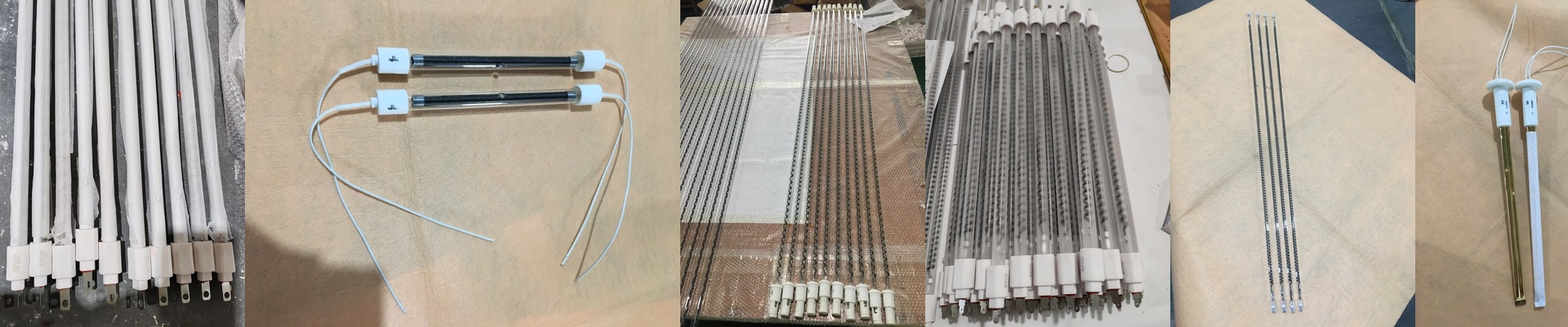
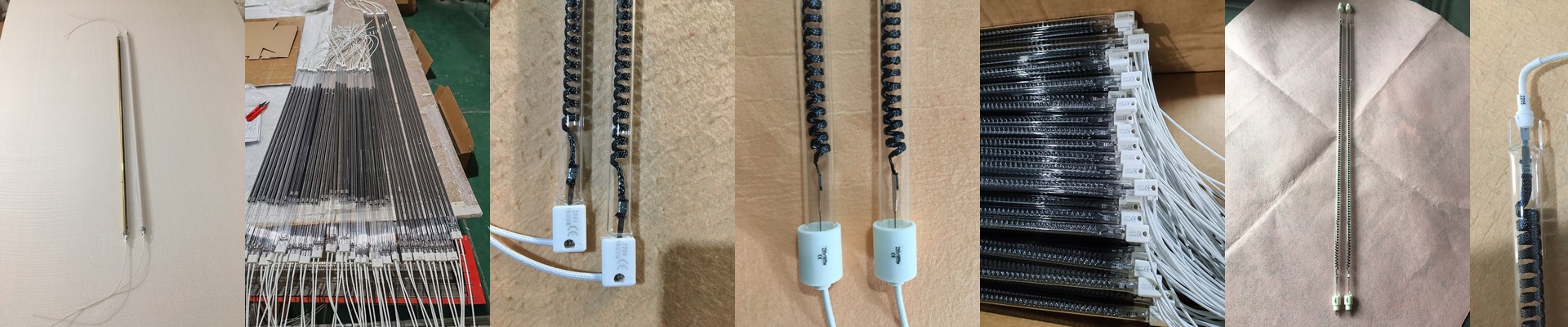
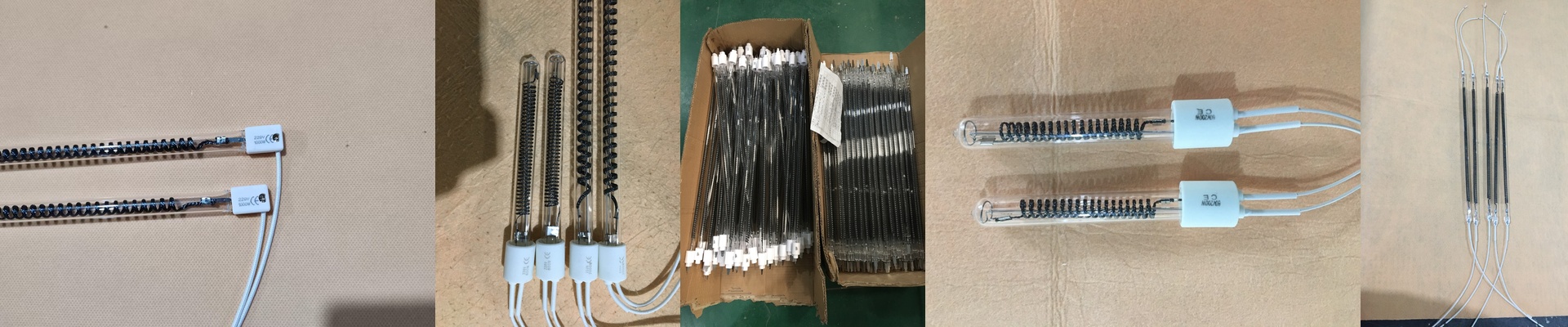
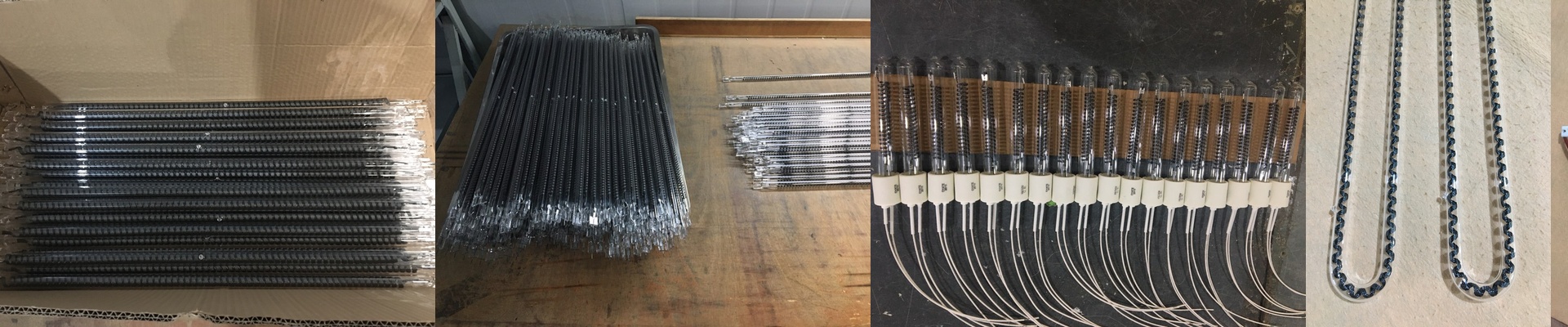
If you’ve ever worked with Ball Grid Array (BGA) components, you know the nightmare of the “shadow effect.” Think about it: you’ve got hundreds of tiny solder balls hiding under a big chunk of silicon. When you use hot air, that chip basically acts like an umbrella. The air blasts the top of the package, but it can’t really get underneath to where the action is. The result? Uneven heating. Cold joints. A lot of frustration. Enter infrared radiation. The beauty of IR is that it doesn’t need air to carry the heat. It doesn’t “blow” around; it just moves in a straight line from the emitter to the target. Instead of trying to push hot air into a tight gap, IR waves go right through the component body. They hit the molecules in the solder paste and get them vibrating. It’s a direct hit. Since we can tune the wavelength to match the board and the solder, everything heats up together. The joints under the chip hit the melting point at the same time as the surface. No more guessing if the middle is actually hot enough. But it’s not all sunshine and rainbows. IR is fast. Seriously fast. It cuts your ramp-up time way down, which is great for your workflow. But here’s the catch: IR cares a lot about what the surface looks like. If your PCB has a shiny, reflective coating or if the copper density is all over the place, some spots will soak up heat while others bounce it away. You can’t just crank the power and hope for the best. If you push too much wattage into one spot, you might actually delaminate the board. The trick is all in the zoning. You have to balance the distance and the power carefully to make sure those BGA joints melt without frying the smaller components around them. It takes a bit of a feel for the machine, but once you nail it, the process is rock solid.