Carbon Fiber Halogen Heaters: The 400V 2500W R7s Quartz Tube Built for Real-World Precision
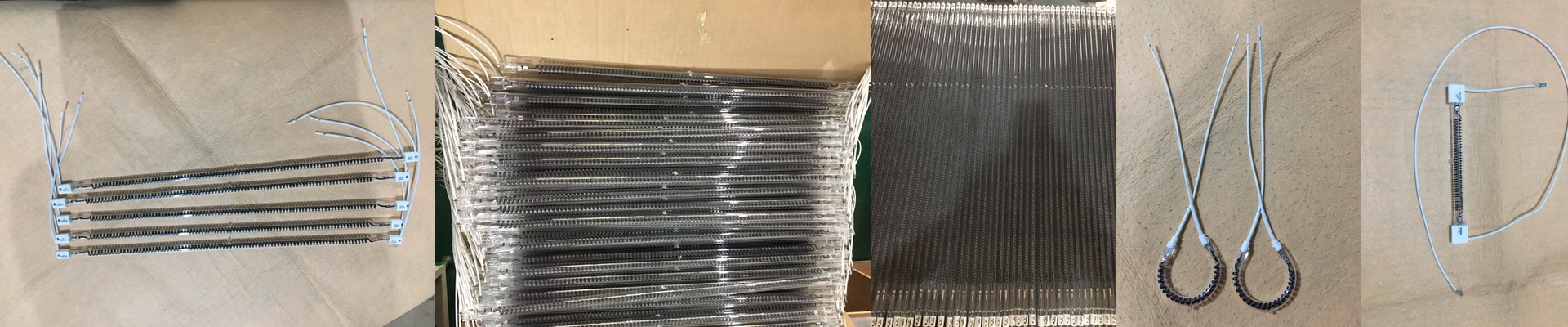
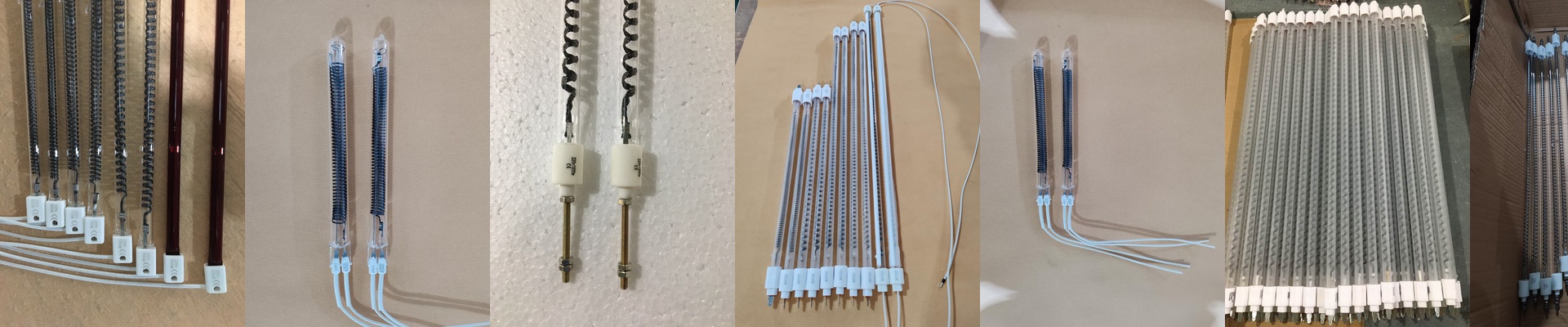
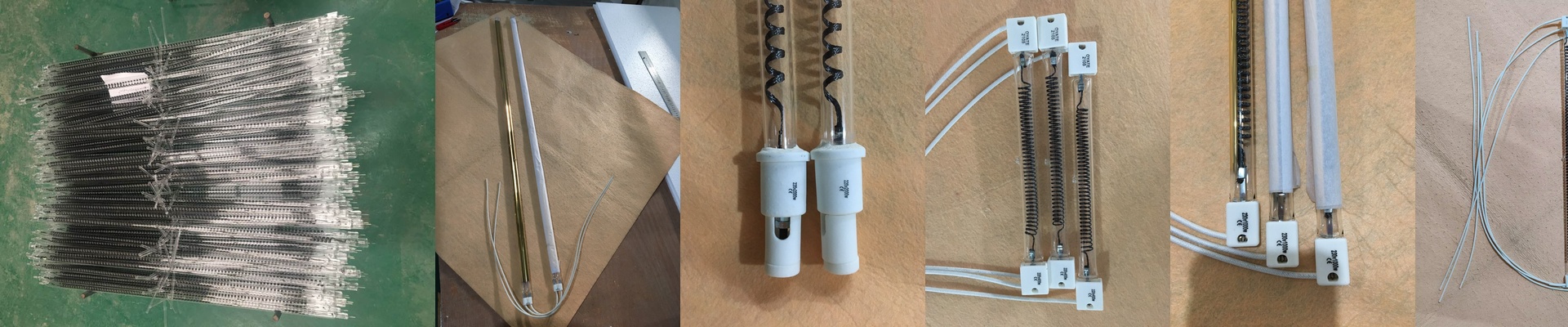
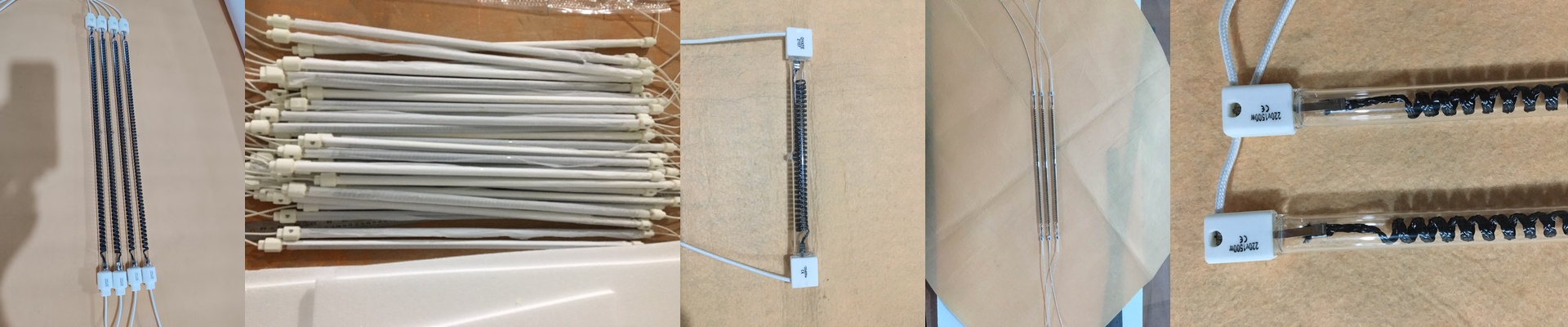
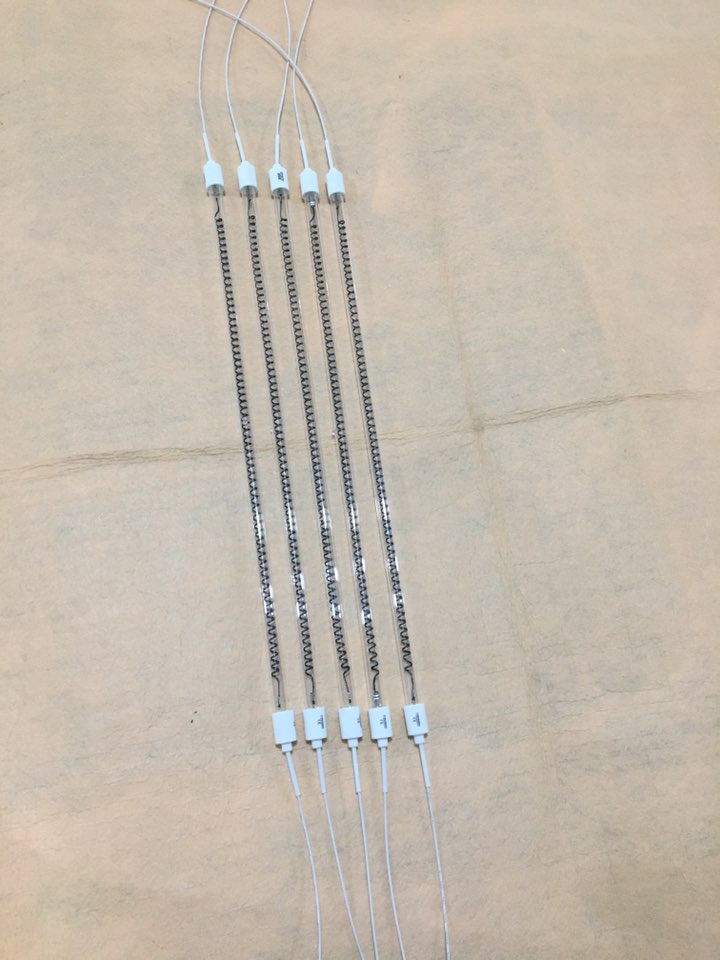
We built this carbon fiber halogen heating element for one simple reason: to give you serious, controllable heat—without taking up a ton of space. It’s a 400V, 2500W quartz tube with a 300mm active heating length, made for industrial work where you need heat fast and you need it to be dense. Plug it in, and it jumps to life. No waiting around.
Power, voltage, and size—why this combo matters
That 400V, 2500W rating wasn’t chosen by accident. It’s about getting serious power across a tight 300mm zone without forcing you to oversize your power supply. The result? High watt density—exactly what you need when you have to heat a small area quickly. And that 300mm length gives you a defined heated zone, so you can match the heat to the part, not just blast the whole area. One thing to keep in mind: a 400V 2500W tube throws off a lot of heat density. So make sure your machine’s cooling is set up to handle it—your ambient temperature will thank you.
What’s inside: carbon fiber, halogen, and a tough quartz shell
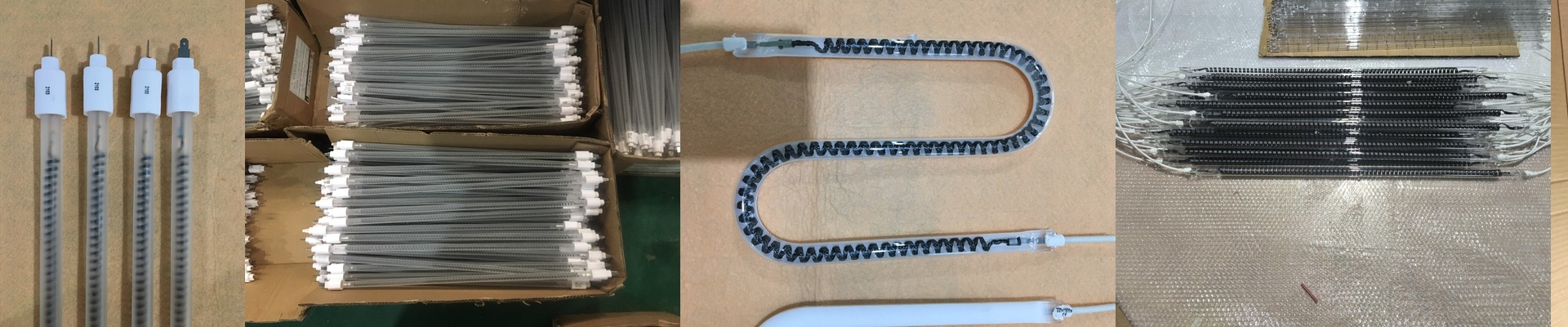
The heart of it is carbon fiber, sealed inside a quartz envelope. Inside the tube, the halogen cycle helps keep the filament stable. That means less blackening over time and more consistent output, day after day. The quartz body is built to take the heat—and to handle sudden temperature swings without cracking. And the R7s connector? It’s a straightforward two-pin end-cap setup. It locks in securely, installs quickly, and works as a direct replacement for standard R7s-based fixtures.
Where it shines: precision, speed, and dependability under pressure
This setup was made for heating jobs where space is tight and response time can’t be negotiated. Think plastic processing—like PET blowing—where you need fast, localized heat to keep cycle times moving. The carbon fiber element heats up fast, so you spend less time waiting and more time running. And because the halogen-filled quartz tube holds steady through repeated heating and cooling cycles, it keeps performing when your process demands repeatability. The R7s termination keeps integration simple and makes replacements easier when it’s time for maintenance. Just remember: with 2500W, you’ve got to design the surrounding system to manage the thermal load properly. Plan the heat path, protect the components, and you’ll get the reliable performance this element is built to deliver.