Getting to Know the High-Power Halogen Infrared Heater
Let’s talk about a serious piece of industrial muscle: the 400V, 2500W halogen infrared tube. This isn’t some run-of-the-mill heater you pick up off the shelf. It’s built for one thing and one thing only: packing a massive amount of heat into a seriously compact space. Here’s the thing about that 400V rating. It’s a higher voltage than your standard wall outlet, and that’s intentional. It lets the heater pull the full 2500W of power without needing a huge electrical current. And that’s a big win for you. It means you can get away with thinner wiring and smaller components in your control panel. Less bulk, lower cost, and a cleaner build.
What’s Inside and Why It Matters
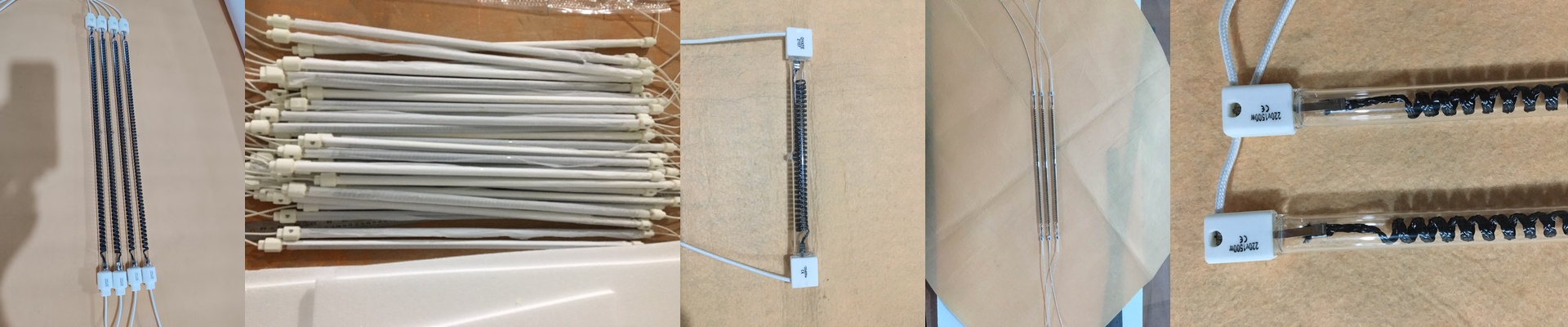
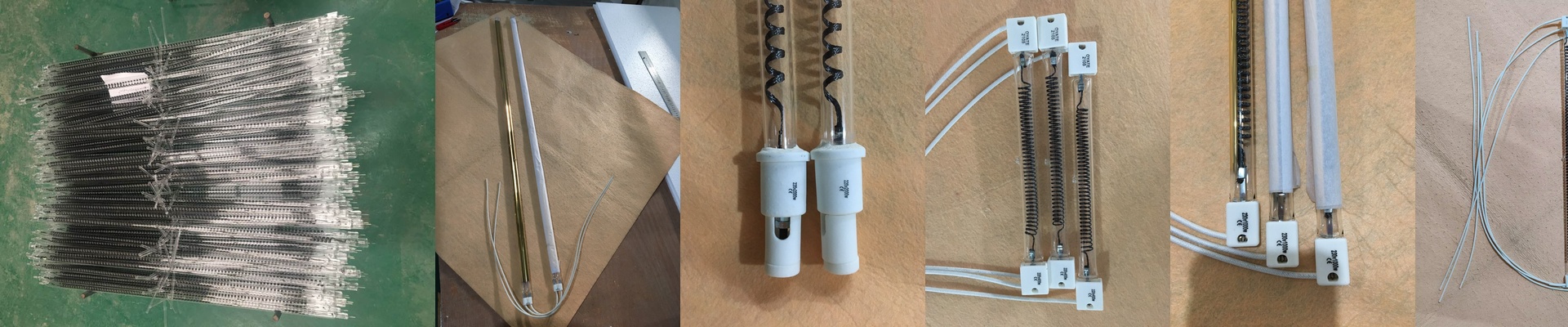
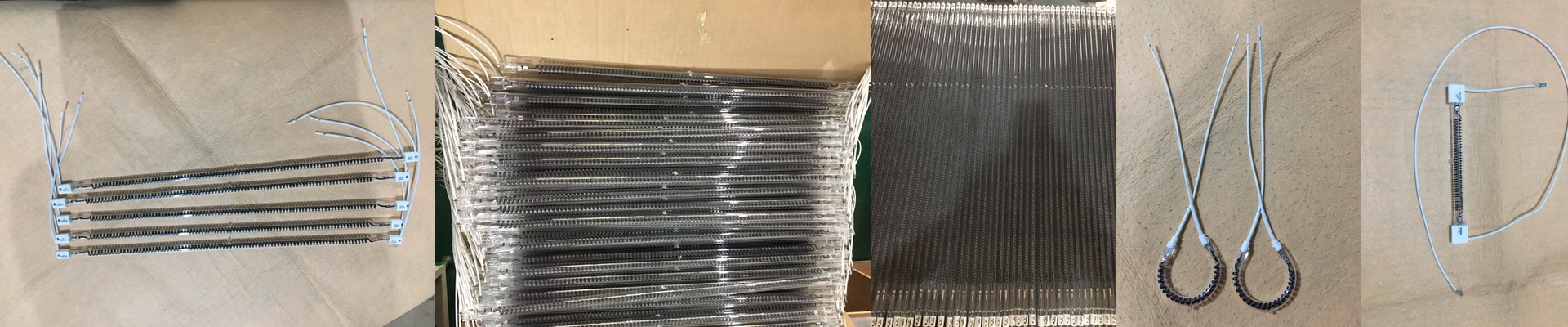
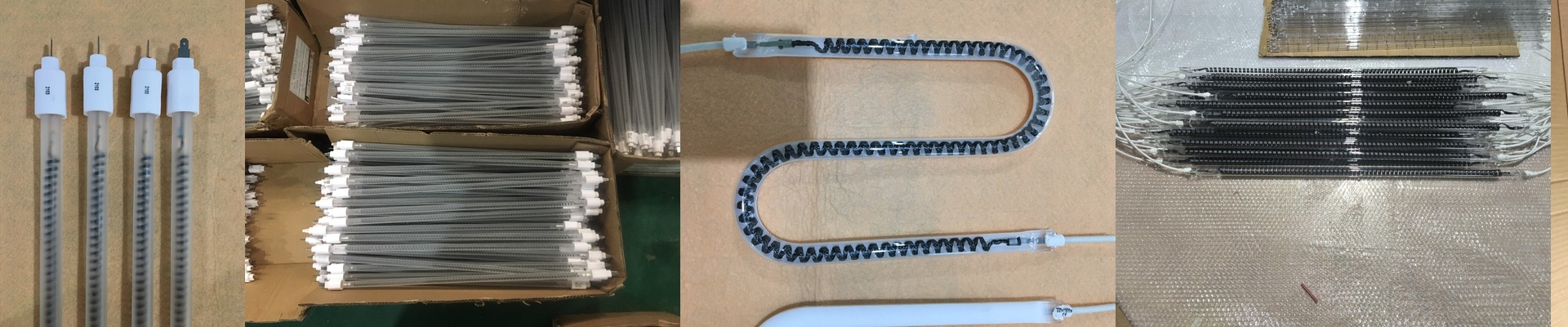
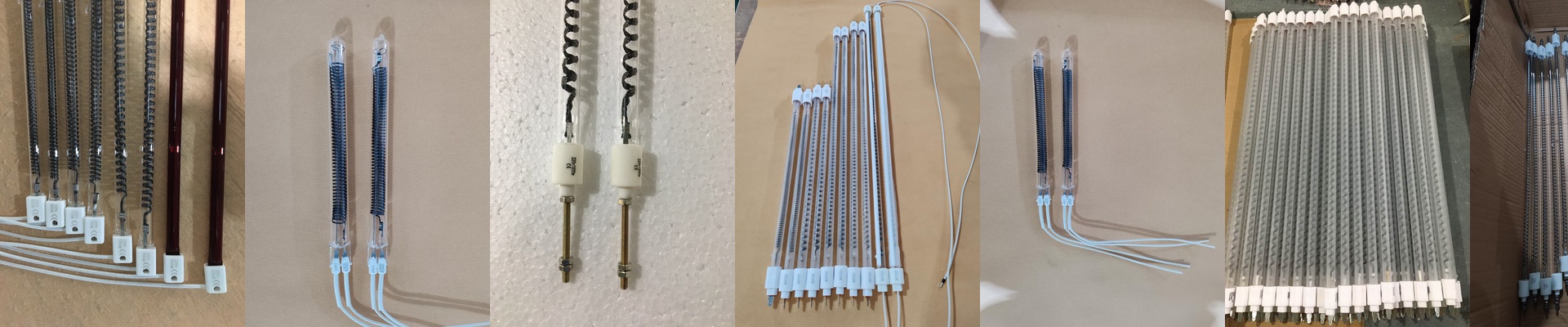
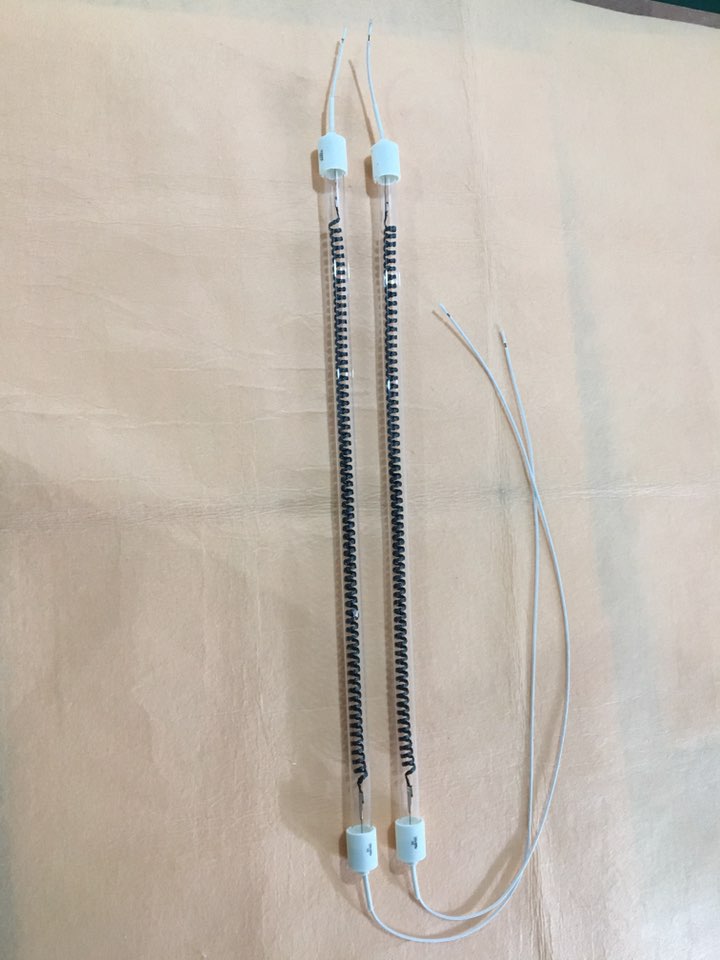
At the heart of this thing is a high-purity quartz glass tube. Quartz is tough. It can handle the shock of heating up and cooling down again and again, and it’s brilliant at letting that infrared energy pass right through. Inside, you’ve got a tungsten filament that just flat-out glows at insane temperatures. The magic happens thanks to the halogen cycle, which keeps that filament clean. No blackening, no dimming. You get consistent heat from day one to the last day of the tube’s life. And then there’s the R7s connector. It’s the standard for this type of tube, and for good reason. It gives you a solid, two-ended connection that can handle the high current without coming loose or sparking, even when the whole machine is vibrating on the factory floor.
Where It Shines (and What to Watch Out For)
This heater was born for the tough, high-speed jobs. Picture PET bottle blowing or thermoforming—those moments where you need intense, focused heat on a tiny area in a split second. That 2500W power density is exactly what you need to melt the material fast. But packing all that power into a short tube creates a harsh environment. The heat that radiates back into the machine housing is no joke. You absolutely have to build a solid cooling system to handle that extra heat. If you don’t, you’re just asking for trouble. You’ll end up frying the electronics and shortening the heater’s lifespan. So, yeah, this thing is a powerhouse that just drops right in. But it’s not something you can just set and forget. It demands respect from the engineer on the design side.