Introduction
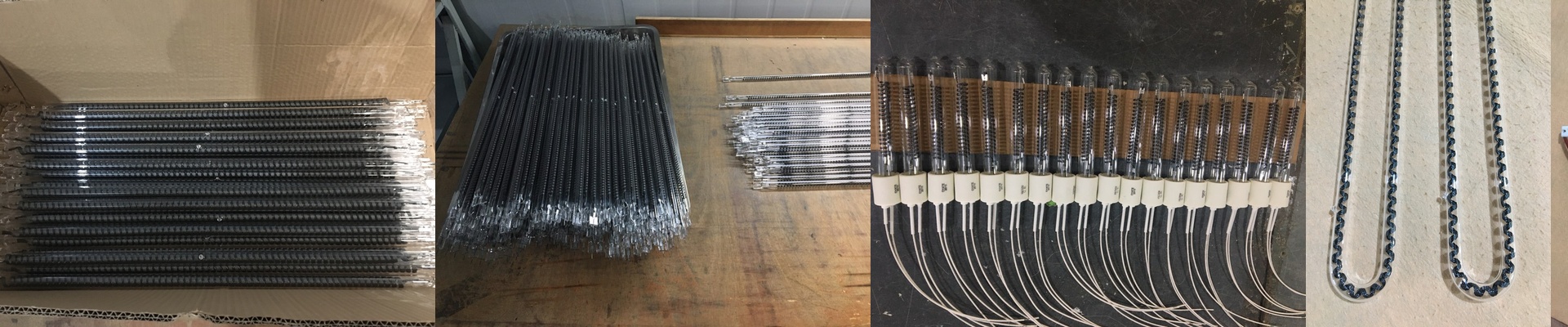
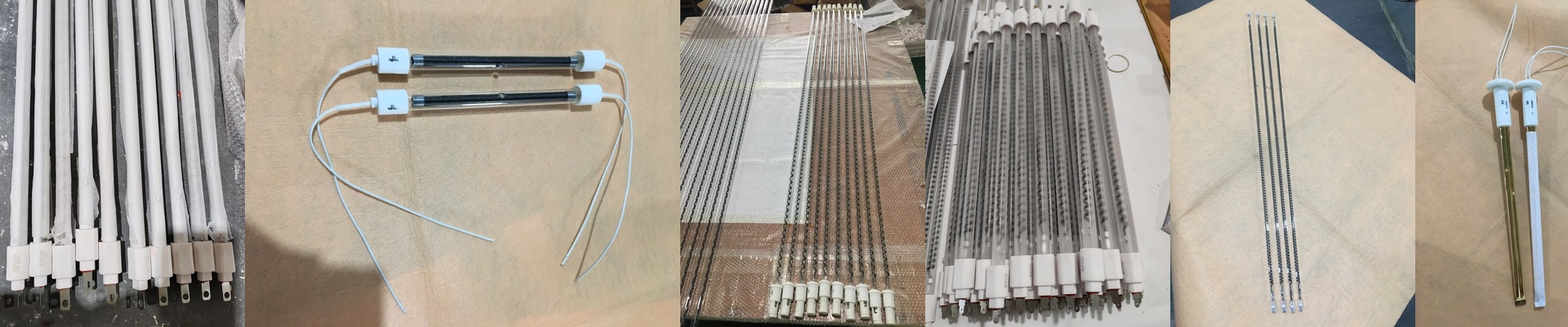
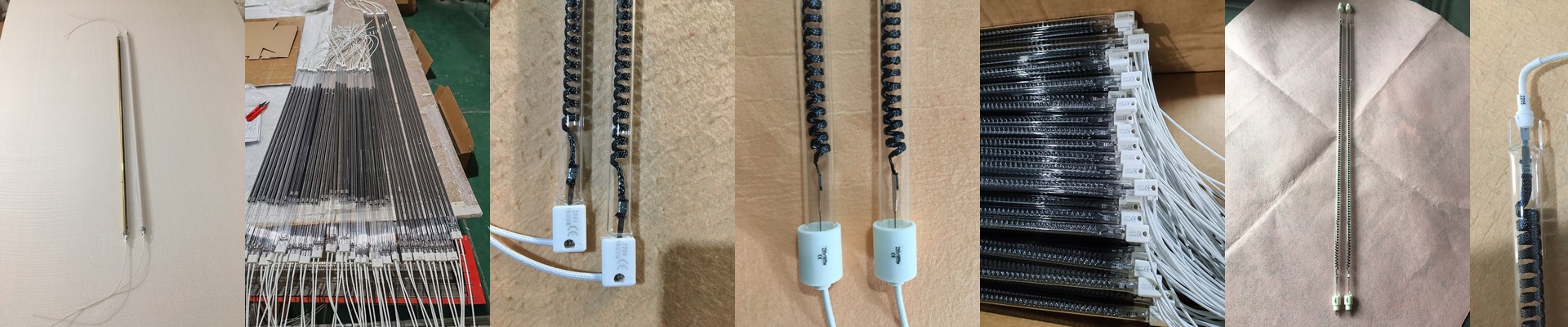
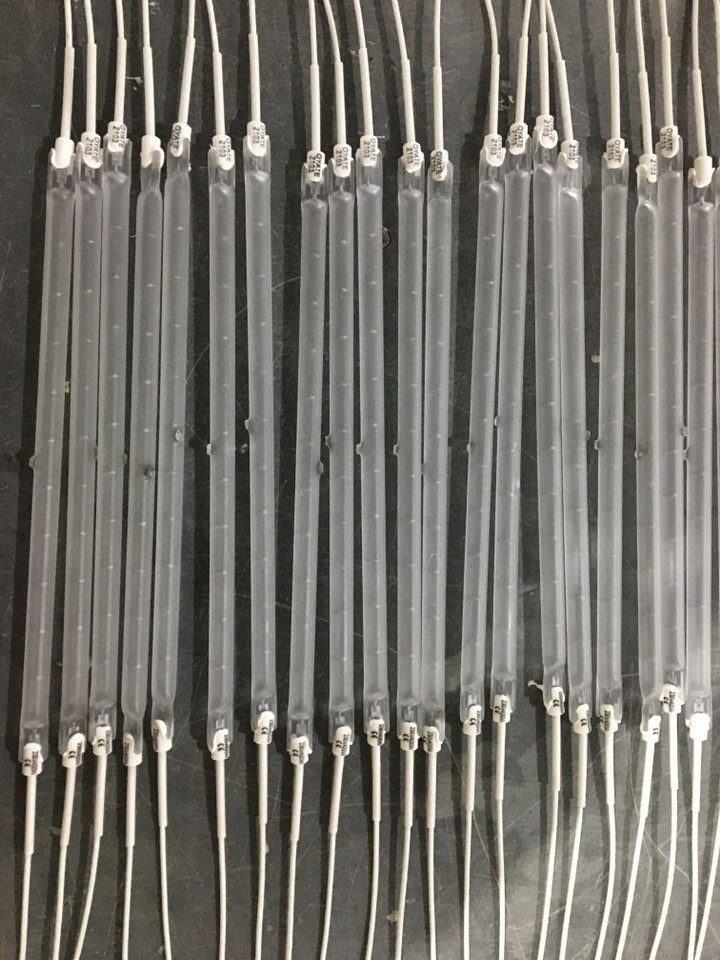
We build carbon fiber infrared heating tubes for the industrial jobs where speed and control are everything. Think of them as the focused heat source you need when you can’t afford to waste time—or energy—heating up the whole room. These are quartz-based emitters that pack a punch in a small package. They deliver targeted, radiant heat right where you need it, so your machines can get up to temperature fast and stay there, without the lag.
Power, Voltage, and Size: The Real Deal
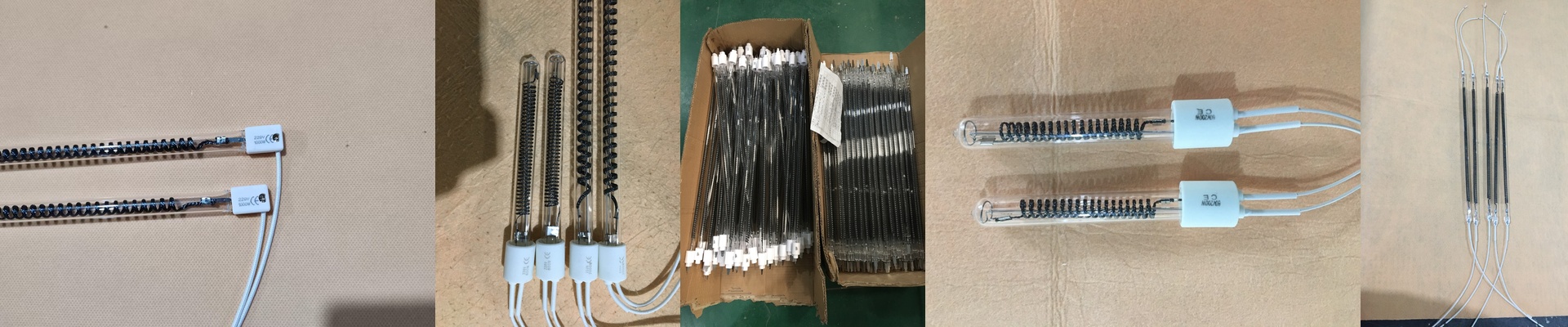
Here’s the thing about carbon fiber elements—they run at a seriously high power density. That means we carefully match the voltage and wattage to the tube’s shape and size. Run a 400V supply, and you get a lot of heat from a short length. Just what you need for those demanding, fast-paced cycles. And the dimensions? They’re chosen to fit your setup like a glove. We size the tube length and diameter to match your focal distance and mounting space. This isn’t some gentle, low-temp heater. It’s built for serious, on-demand heat.
The Build: Quartz, Coating, and Connections
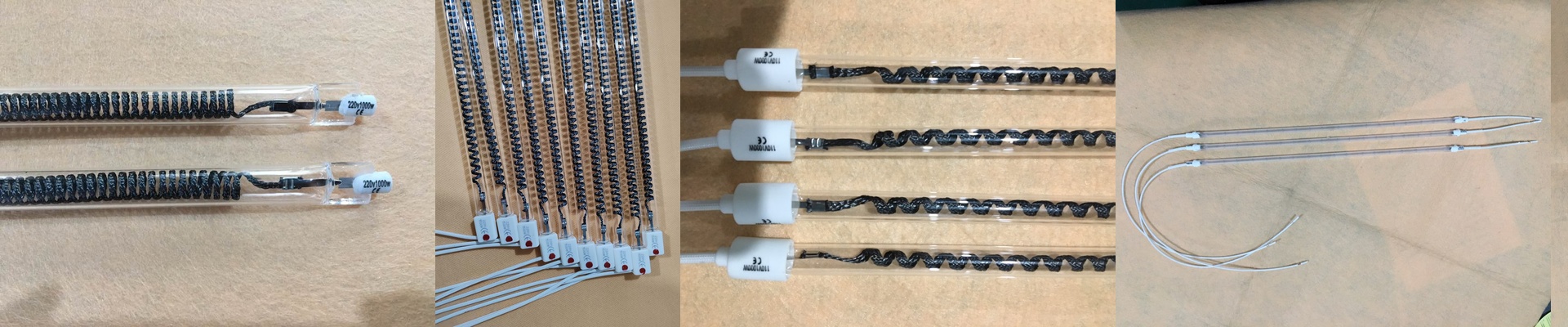
Inside, the carbon fiber element sits snug in a quartz envelope. This isn’t just for show. The quartz handles sudden temperature shifts like a champ and keeps the element safe from contaminants. We also add a reflective coating to the tube. It directs more energy forward, so you get more heat where you want it and less wasted. Then there’s the connector. We use the R7s two-pin interface because it’s proven. It wires up cleanly and holds its alignment in fixtures, making it a simple drop-in fit for many standard brackets.
Where It Shines—And What to Watch For
You’ll see these tubes a lot in plastic processing, especially PET blowing. They’re also a go-to for drying and curing lines where the line speed just won’t wait. The fast start-up means less idle time, and the focused heat profile helps cut down on waste. But there’s a trade-off. That high heat density means you need proper cooling and thermal shielding. Spec your machine for the rise in ambient temperature and make sure you have the airflow planned out. Otherwise, the tube and the components around it are going to take a serious beating.