Carbon Fiber Quartz Heaters: The Real Deal on Specs, Science, and What They Actually Do
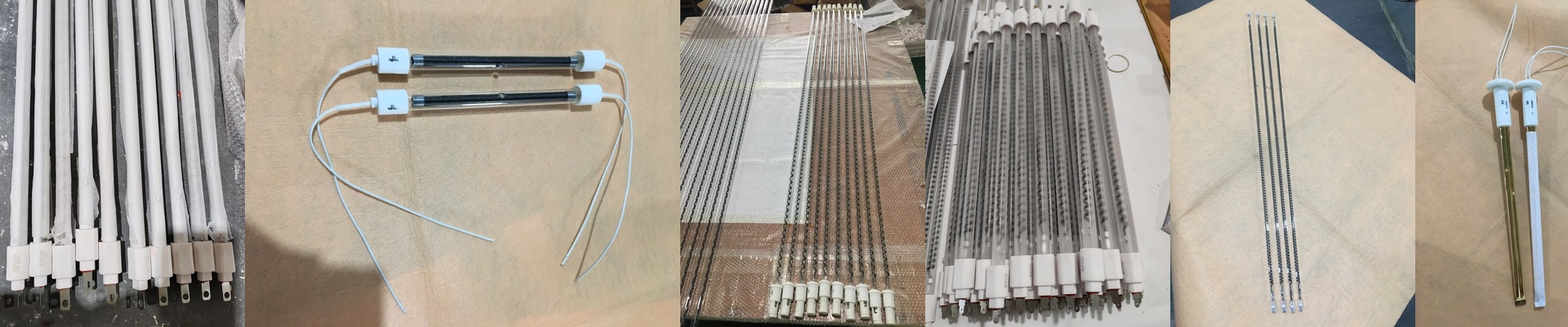
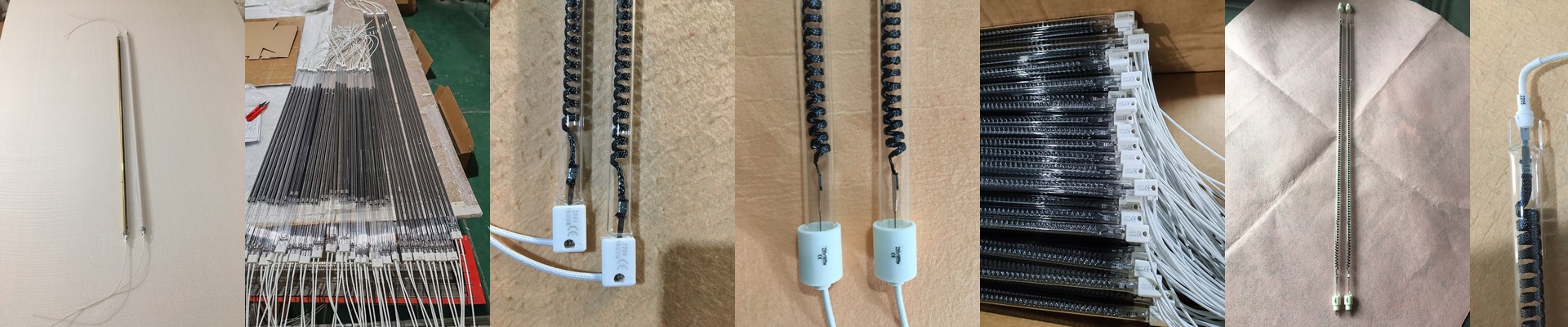
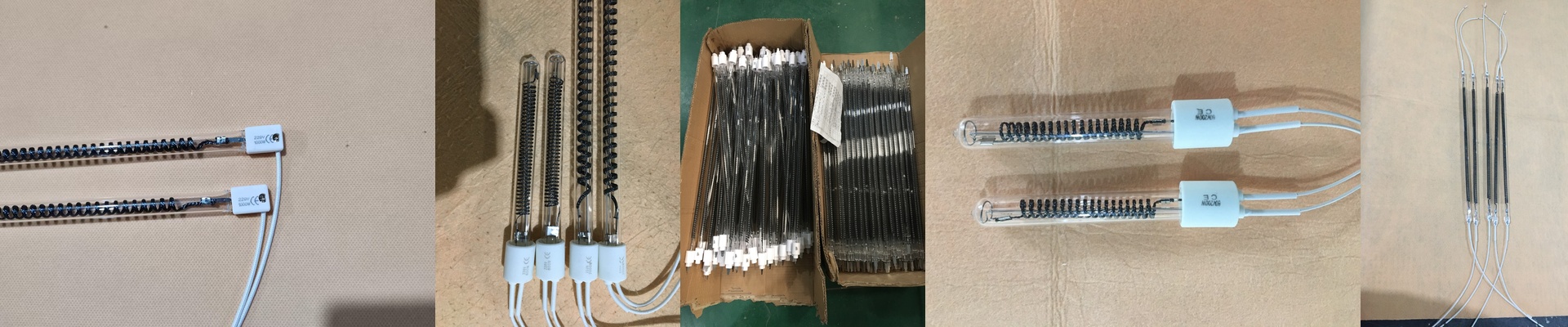
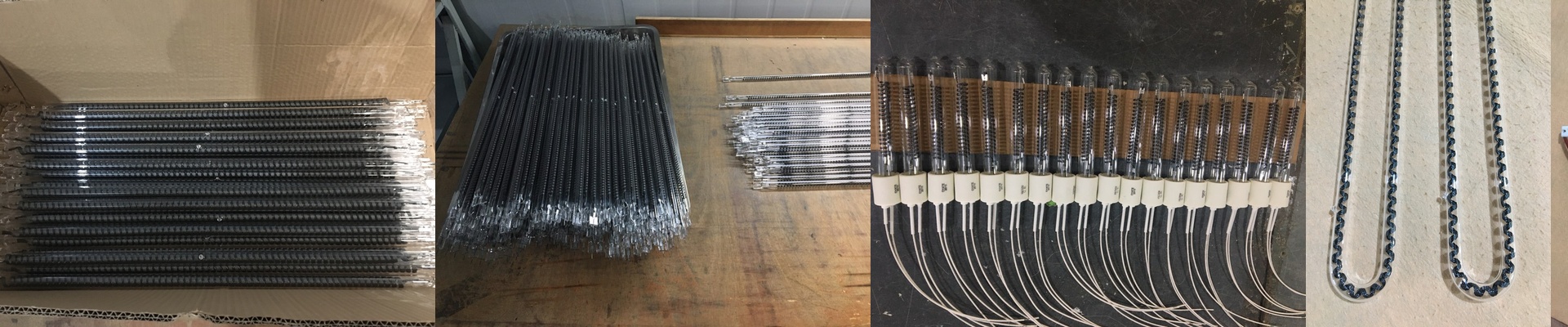
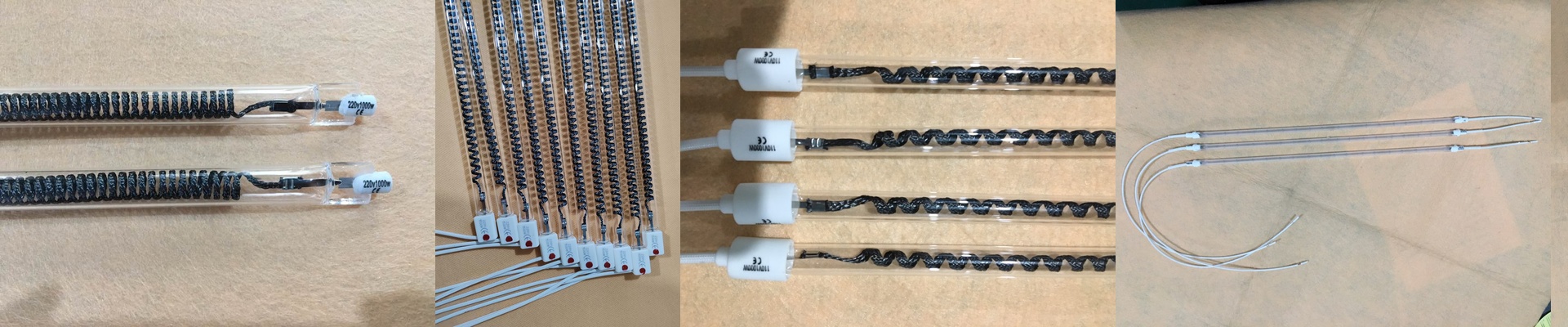
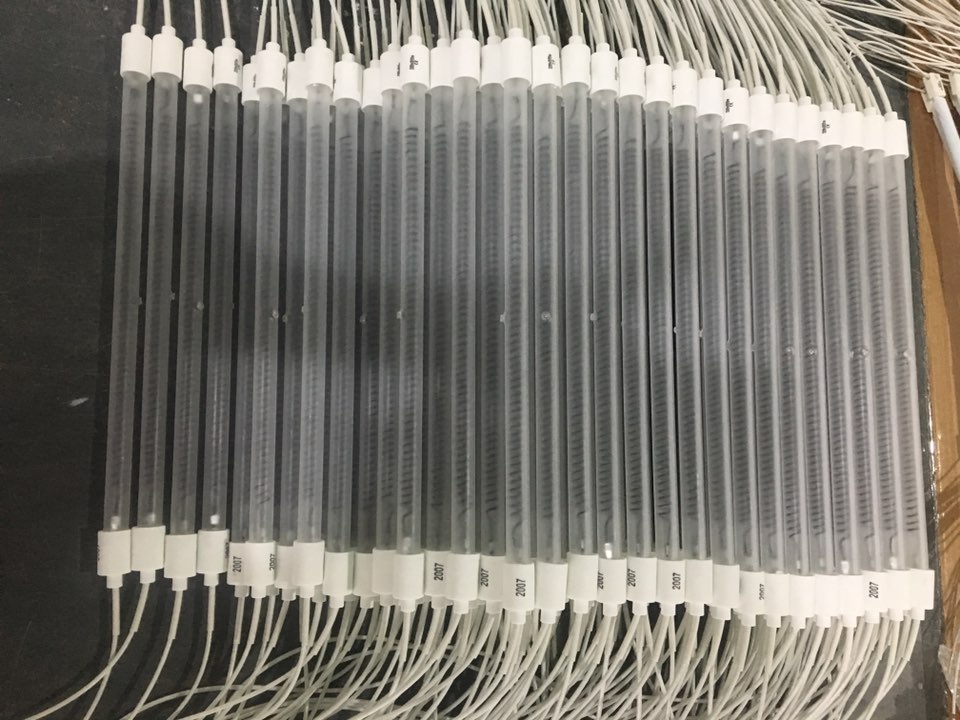
Let’s talk about carbon fiber quartz heating elements. These things are the workhorses of industrial heating—built for jobs that demand speed, a small footprint, and rock-solid performance. At the heart of it, we’ve got a carbon fiber core, sealed up tight inside a quartz tube. We then dial in the voltage, wattage, and length to fit your machine perfectly. No guesswork. Just the right fit.
Power, Voltage, and Geometry—Straight Talk
Sizing these elements comes down to matching your power needs to what your electrical service can handle. Take the 400V rating. We go with that when you need to deliver serious power over a given length without overloading the wiring. Higher current means thicker cables, bulkier terminals, and more voltage drop. So 400V is often the smarter way to pack a lot of heat into a clean, compact setup. Wattage sets the heat output, but length sets how that heat is spread. A 300mm tube focuses the heat into a tight spot—perfect for sealing edges, small molds, or drying a specific area. Need broader coverage? You simply go longer. It’s physics, plain and simple. Power density is all about surface area and element length.
Why Quartz, Carbon Fiber, and R7s?
The carbon fiber is the resistive element, giving us a predictable resistance curve and a lightning-fast response. The quartz envelope? It handles extreme heat and keeps the filament in a clean, stable environment. And quartz is great at transmitting infrared, which is exactly what you want when you’re heating surfaces directly. We use R7s connectors because they’re the standard for linear tubular heaters. They’re quick to wire, hold up mechanically, and are built for the high temps these elements run at—day in, day out. If your machine is already set up for R7s, this element just drops right in. No reworking needed.
Where This Setup Shines
This configuration is built for industrial processes that need fast, focused heat: plastic welding, laminating, coating curing, packaging sealing—you name it. The rapid ramp-up cuts down cycle time, and the compact tube slips into tight spots where bulky Heaters just won’t fit. But here’s the trade-off: this is high heat density. A 400V 2500W tube delivers serious localized energy, so your machine’s cooling and thermal management need to be on point. You’ll feel the ambient heat near the element, so plan for airflow and shielding to protect nearby parts. When you match the voltage, wattage, and length to the job, you get consistent heating without overcomplicating the whole system.
- Carbon
- Fiber
- Quartz
- Heating
- Element
- 235v 2000w 780mm Half White Infrared Quartz Heat Lamp for Pet Blowing Machines
- 1000w 440v Sk15 Half White Plated Halogen Infrared Heat Lamp for Pet Bottle Blowing Machine
- 2000w-440v-R7s-Ir-Heater-Lamp-Half-White-Halogen-Infrared-Heat-Lamp-for-Pet-Bottle-Blowing-Machine