Stop Tossing Your IR Lamps: A Better Way to Handle Electronics Lines
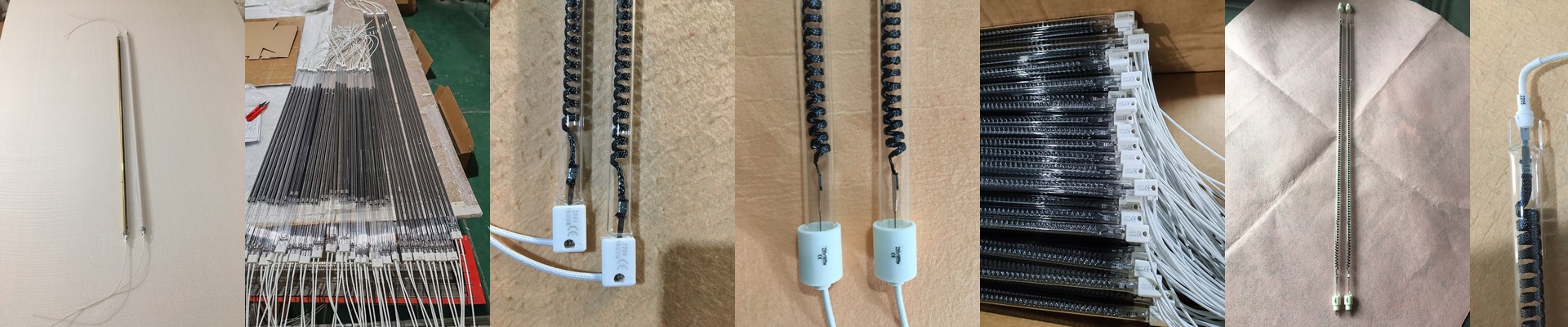
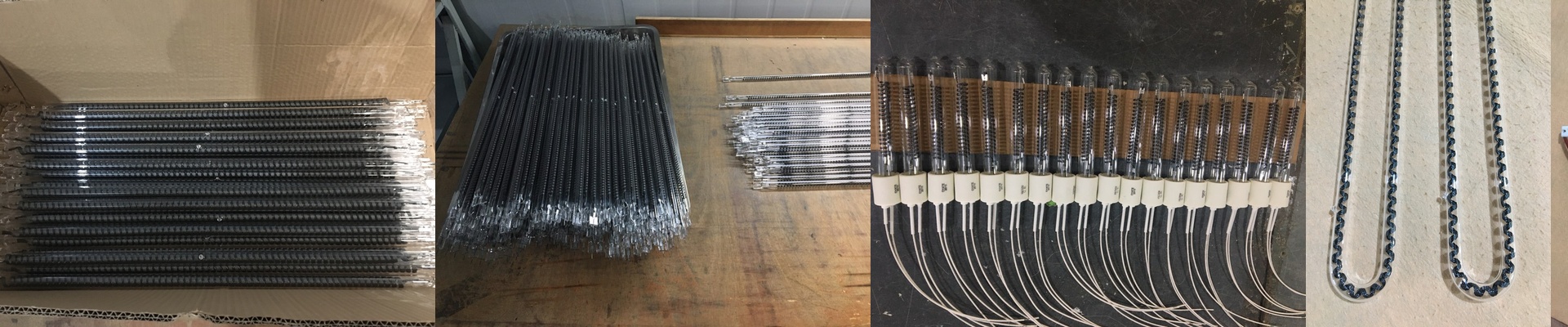
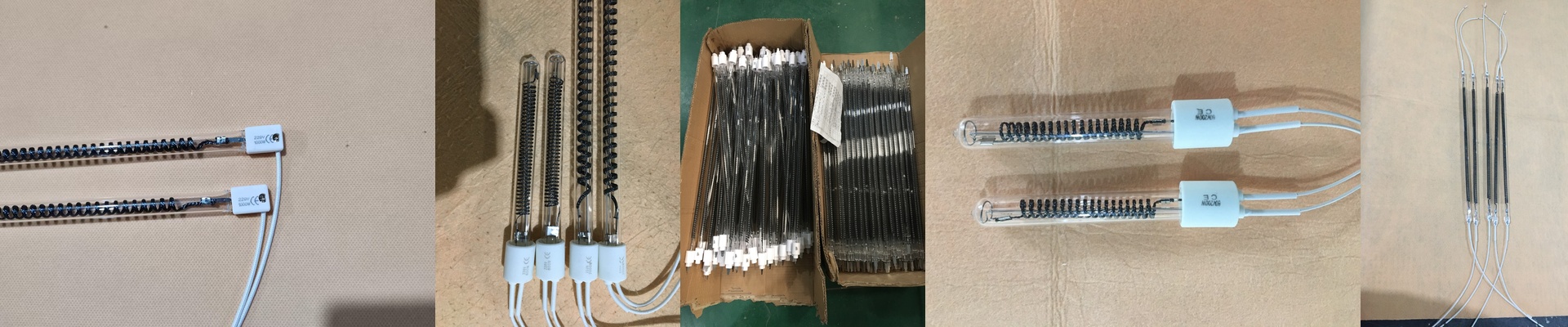
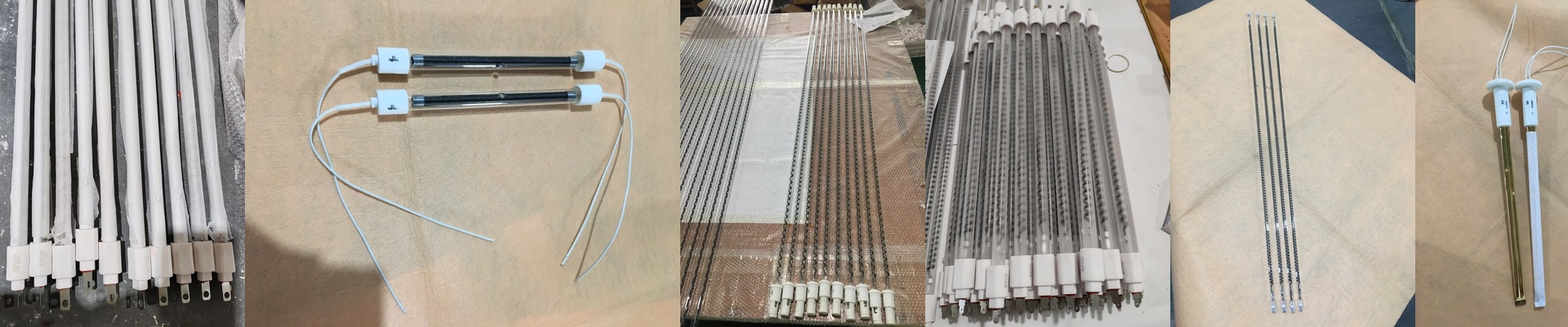
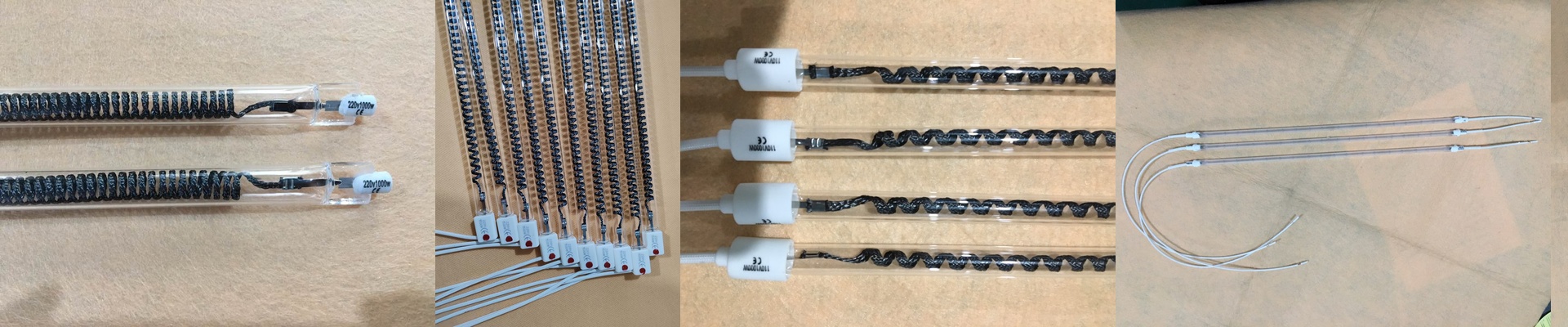
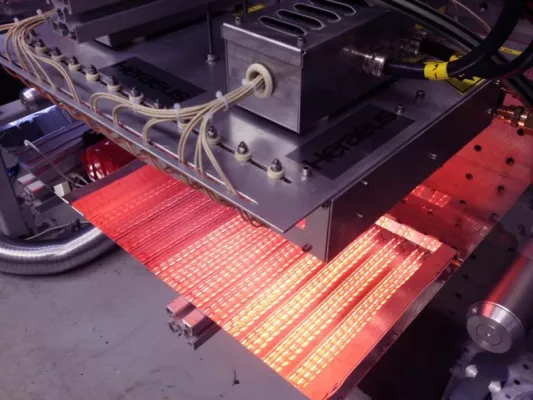
Let’s be honest: electronics manufacturing creates a mountain of waste. One of the biggest headaches is the curing and drying stage. Those short-cycle infrared (IR) lamps tend to burn out way too fast, and before you know it, you’re tossing another handful of glass into the landfill. It’s frustrating. But instead of just treating these lamps like cheap, disposable batteries, we can actually build them to last. The trick to making them live longer Here is how it works. In a basic IR lamp, the tungsten from the filament evaporates and sticks to the glass. You’ve seen it—that “darkening” effect. Once that happens, your heat output drops, and the lamp is basically toast. To fix this, we use a halogen-cycle fill in the quartz envelopes. It triggers a chemical reaction that pushes that tungsten right back onto the filament. It keeps the tube clear and the heat steady for thousands of hours. It just works. Getting the specs right When you’re trying to cut down on waste, you have to look at the voltage and the thermal footprint. If you hit a lamp with over-voltage spikes, the filament thins out and snaps. Simple as that. We use reinforced quartz because PCB curing involves rapid on/off cycling, and that kind of thermal shock can crack a weaker tube. Then there’s the heat density. High-wattage shortwave lamps are fast. They hit the target instantly. But they also put a massive amount of stress on the filament. If your process can handle a slightly slower ramp-up, dropping the wattage can literally double the life of your lamp. The little things that matter We stick to standardized connectors—like R7s or Sk15—because a secure fit is everything. A loose connection creates arc points, and those will fry the ends of your lamp in no time. Now, keep in mind, these aren’t bulletproof. If you push them to 110% capacity just to shave two seconds off a cycle, you’re going to kill them. You need your power controllers to match the rated voltage exactly. And don’t forget the airflow. If the tube ends can’t breathe, heat builds up at the seals and the quartz cracks. Give them some room to cool, and they’ll stay in your line a lot longer.