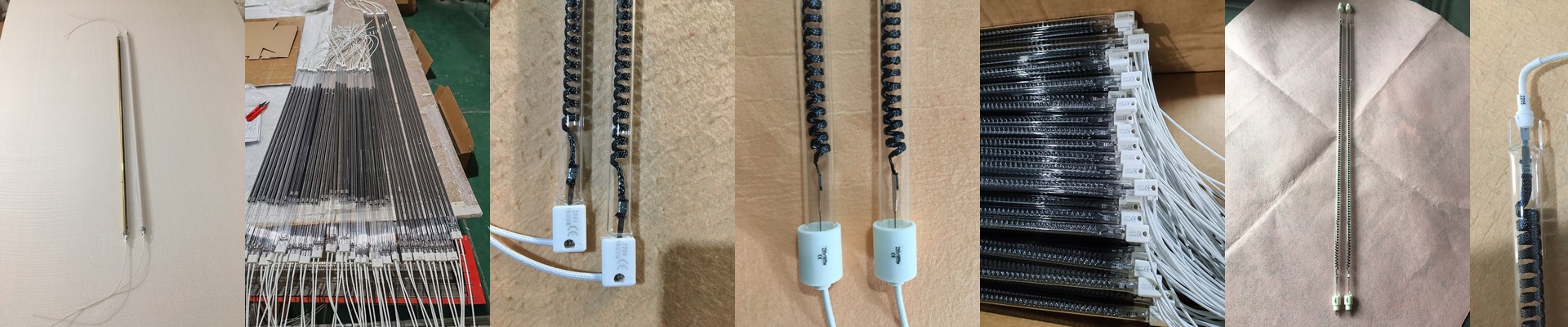
The Real Deal on Carbon Fiber Heating Elements for Saunas
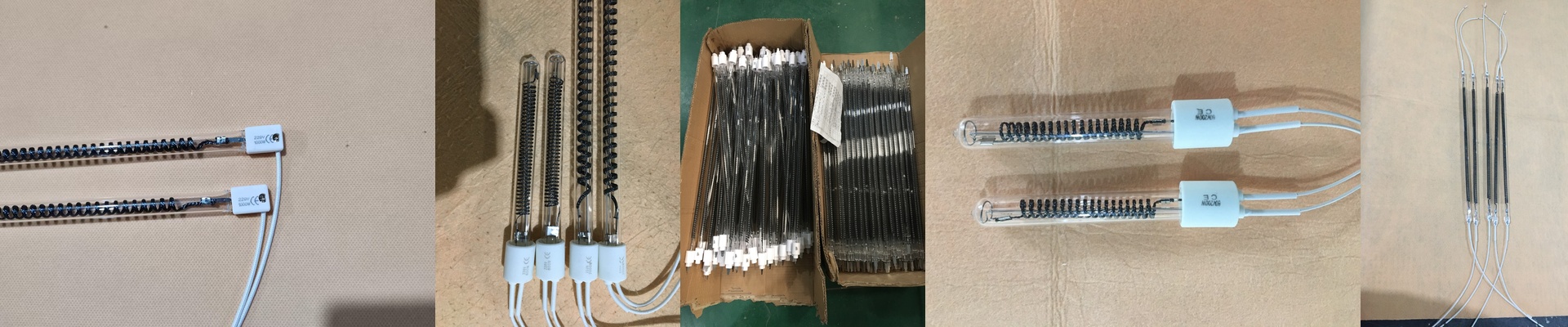
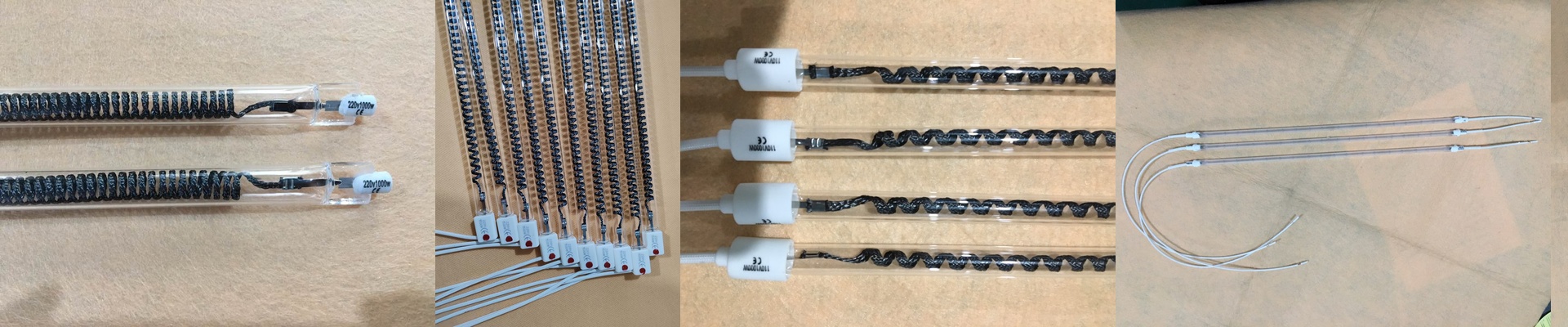
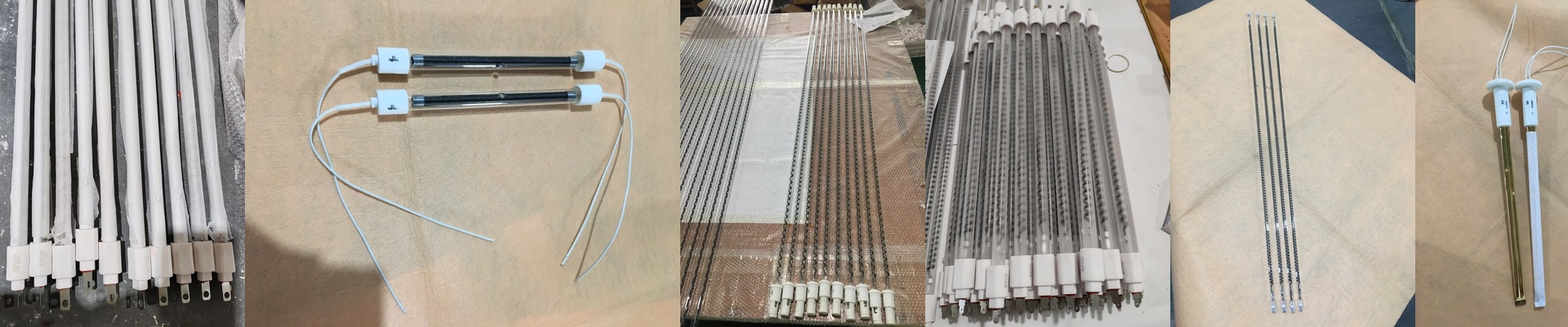
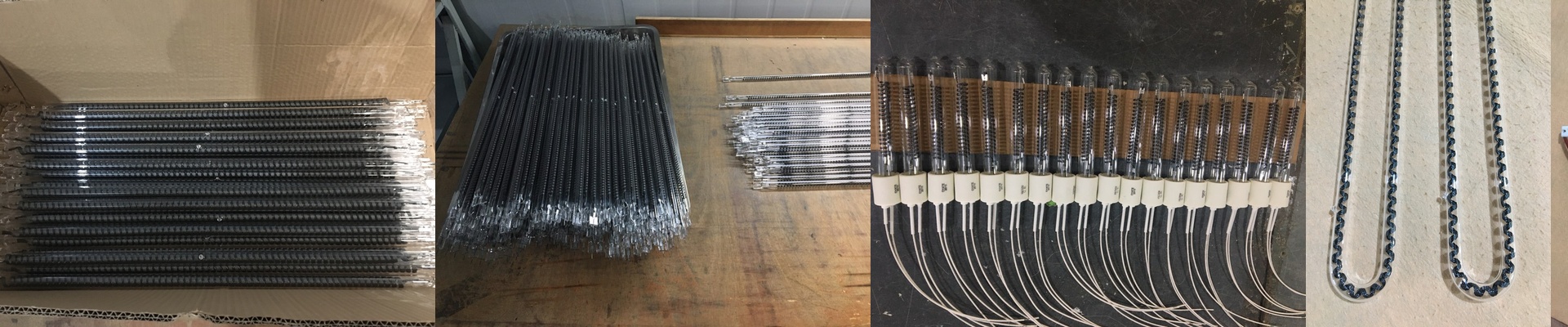
When we build carbon fiber heating sticks, we’re trying to do something specific: move away from just heating up the air around you and instead focus on that deep, radiating warmth. You know those old-school nichrome wire coils? They get scorching hot on the surface to push heat into the air. Carbon fiber is different. It puts out longer wavelengths that actually soak into your muscles. It feels less like sitting in a hot oven and more like standing in the sun. Getting the power right Here’s the thing: you can’t just guess the wattage. You’ve got to look at the actual size of your sauna cabin. Since carbon fiber doesn’t get as blisteringly hot to the touch as metal does, you’re way less likely to get a nasty burn if you accidentally lean against one. But you still have to be careful. If you cram too much power into a stick that’s too short, you’ll fry the internal filaments. It’s all about finding that sweet spot for a steady, comfortable warm-up. What’s actually inside? Inside the stick, there’s a carbon fiber weave wrapped in a heat-resistant silicone or polymer sleeve. This keeps the element from sagging or drooping once it gets hot. We also pay a lot of attention to the ends—the crimps where the carbon fiber meets the copper wires. If those aren’t done right, they oxidize. That leads to “hot spots,” and before you know it, the stick fails right at the connection. It’s a small detail, but it’s where most cheap elements fail. Setting them up (and a few warnings) If you’ve got old infrared panels, these are pretty easy to swap in. You can wire them in series or parallel, depending on what your controller is putting out. But heads up: carbon fiber behaves differently than metal. Its resistance shifts as it heats up. Because of that, you really need a PID controller or a decent infrared dimmer. Without one, you’ll get these nasty current spikes when you flip the switch, which will kill your elements a lot faster. One last thing. These sticks are light and flexible, which is great, but they’re not bulletproof. If you puncture that outer sleeve, it’s game over—you’ll get an immediate short circuit. Treat them with a bit of care, and they’ll last you a long time.