Putting Automotive Electronics Through the Wringer
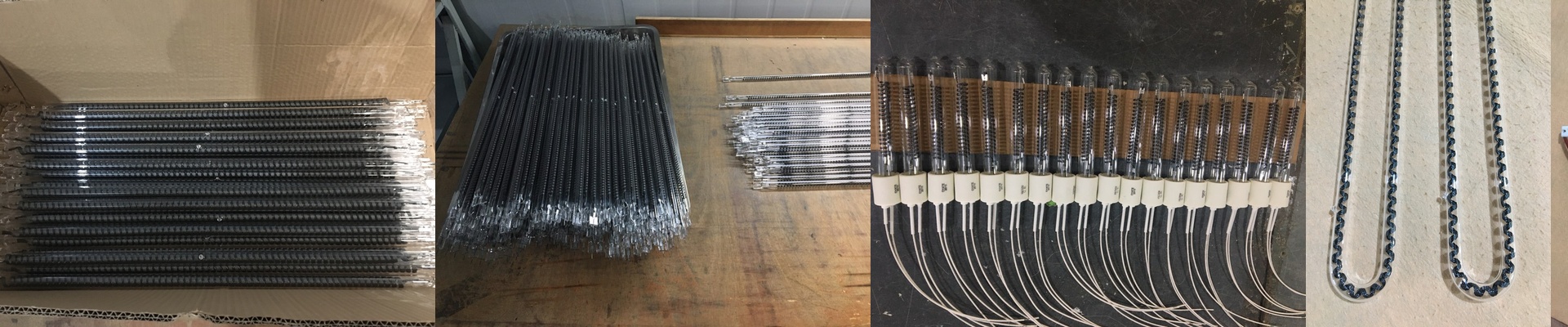
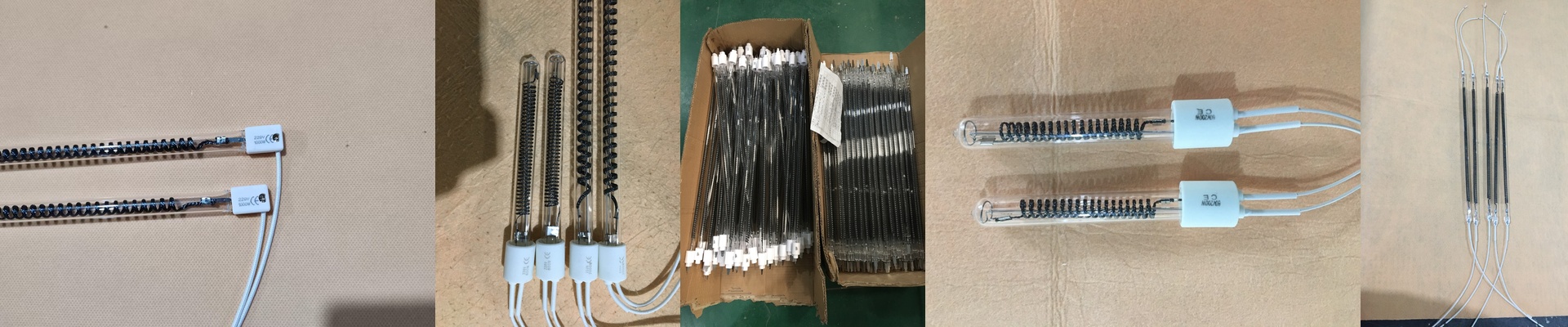
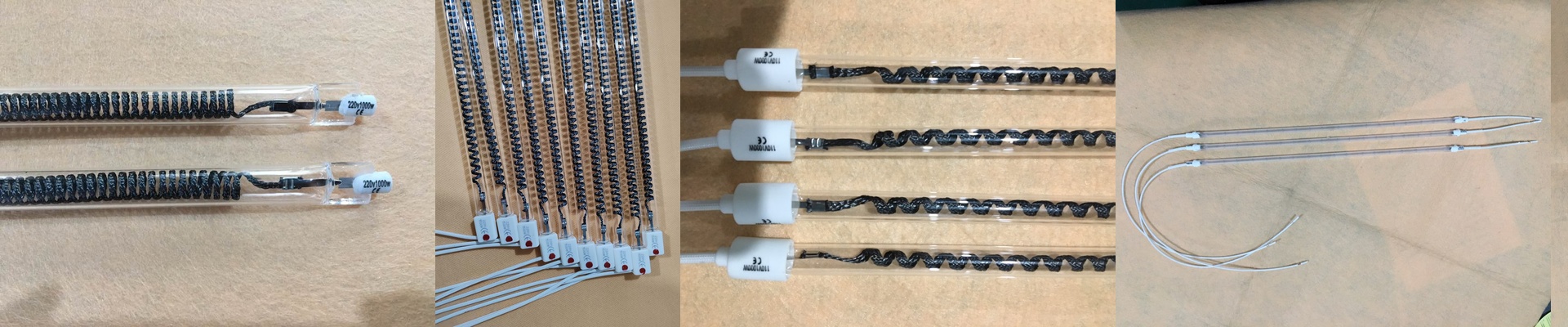
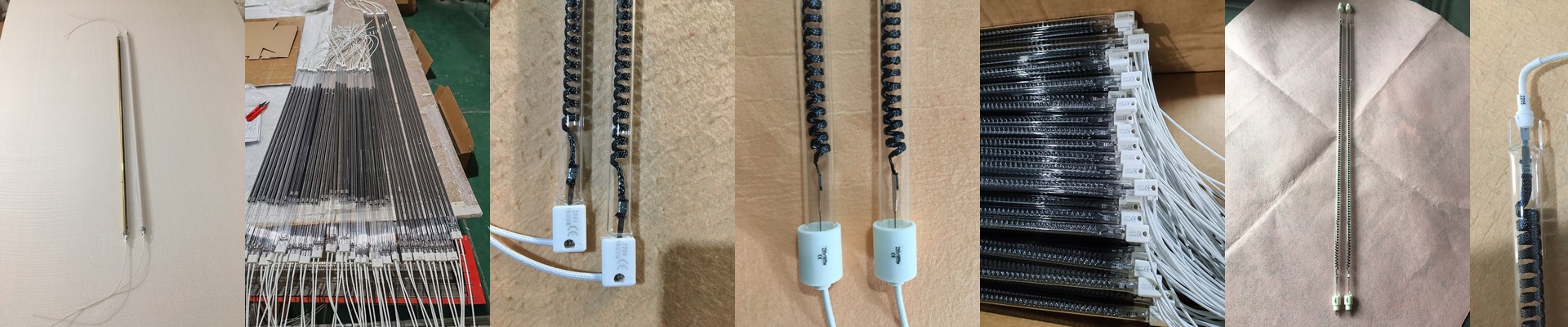
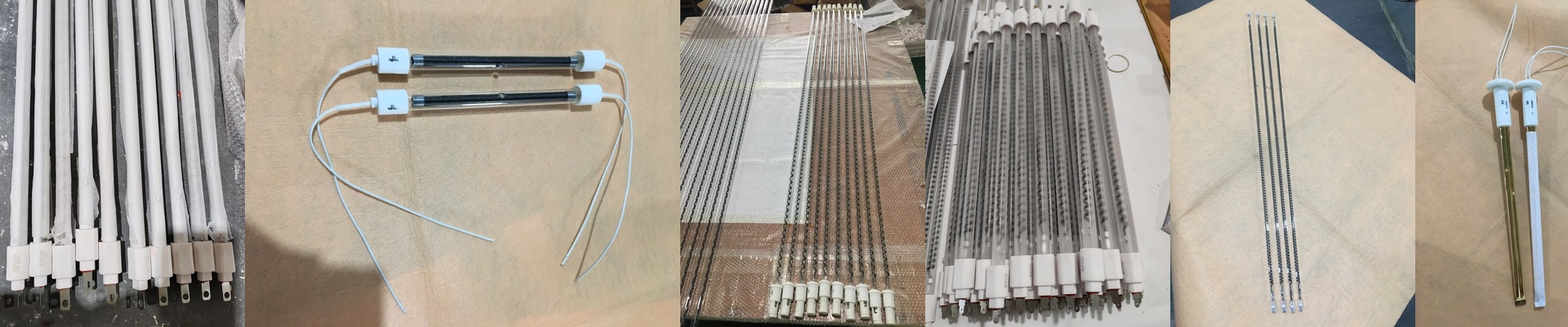
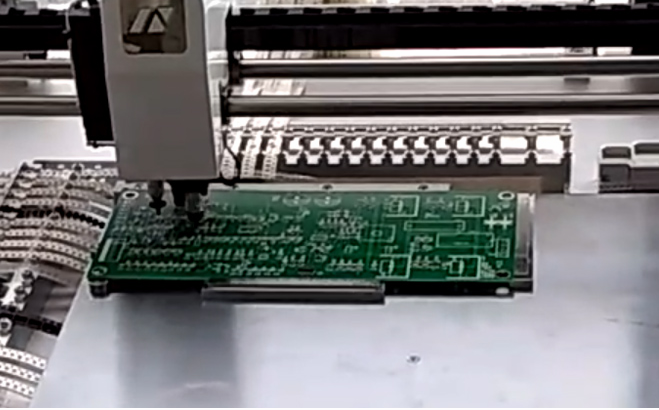
Cars are brutal on electronics. Between a scorching highway in July and a cramped, overheating engine bay, your PCBs and ECUs take a beating. If you want to be sure your gear won’t quit when things get hot, you need a way to mimic that heat—fast—without having to bake your entire test chamber. That’s where our custom IR lamps come in. Forget the oven If you’re using a standard convection oven, you’re mostly just heating up air. It’s slow. It’s tedious. Our IR lamps work differently. They use short-wave radiation to push energy straight into the component. By tweaking the wattage and moving the lamp closer or further from your device, you can hit your target temperature in seconds. What used to take hours now takes a fraction of the time. It’s a massive win for your workflow. The nitty-gritty of the build We don’t do “off-the-shelf” here. Every rig is different. Depending on the size of your board, we customize the quartz envelope and the length of the filament. If you’re testing a large ECU, we use a longer tube so you don’t end up with “cold spots” in the middle. We also use high-grade quartz because these lamps get flipped on and off constantly, and cheap glass just can’t handle that kind of thermal shock. One thing to keep in mind: power density is a beast. A high-wattage lamp puts out a ton of heat. If your mounting brackets aren’t up to the task, you’ll end up warping your housing. We also suggest syncing your PID controller to the lamp’s ramp-up speed. Otherwise, you might overshoot your target temp before you even realize it. Built to last These lamps are designed to slide right into your existing test benches. We offer a few different connector options, so you aren’t fighting with the wiring. Since these units often run for thousands of hours, we obsess over filament stability. You need a heat output that stays steady and doesn’t drift over time. That way, your data is actually reliable, whether you’re testing the first batch or the ten-thousandth.