Introduction
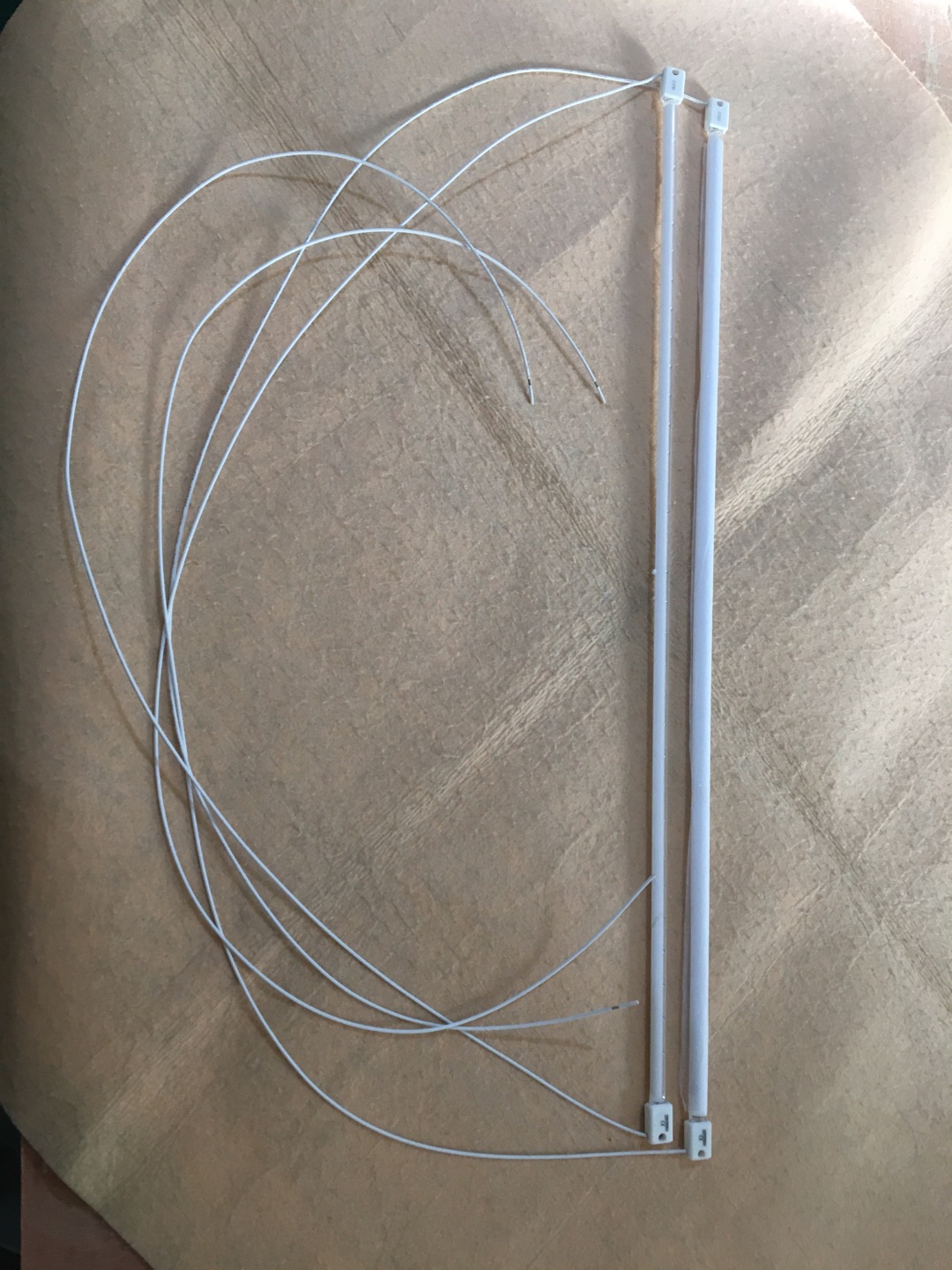
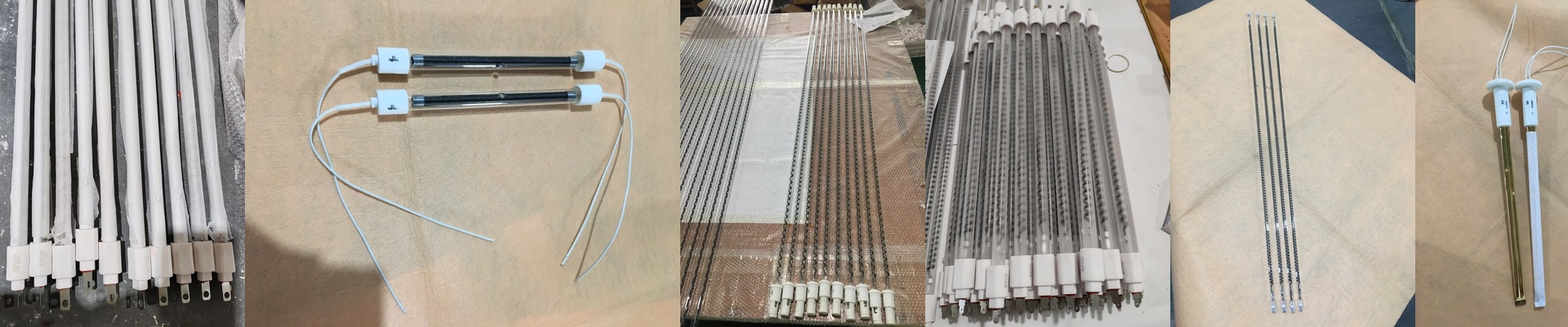
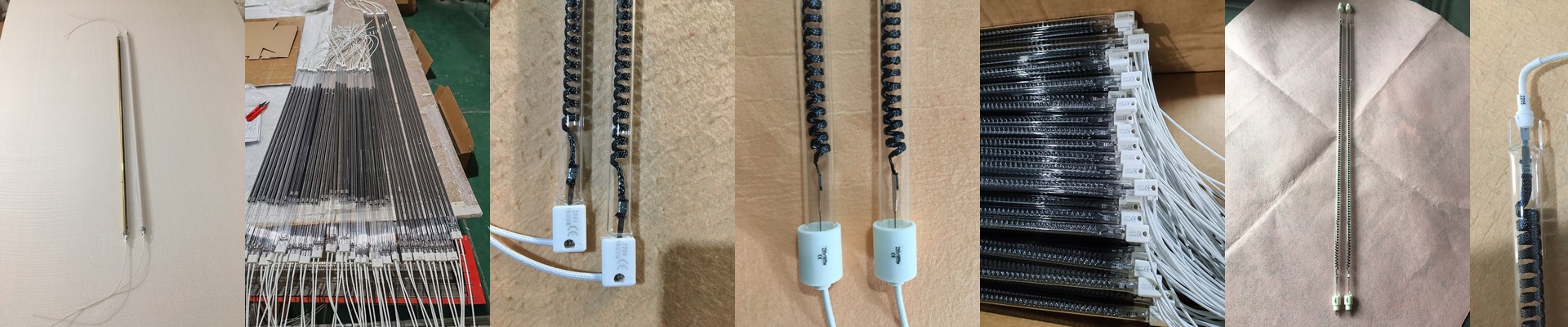
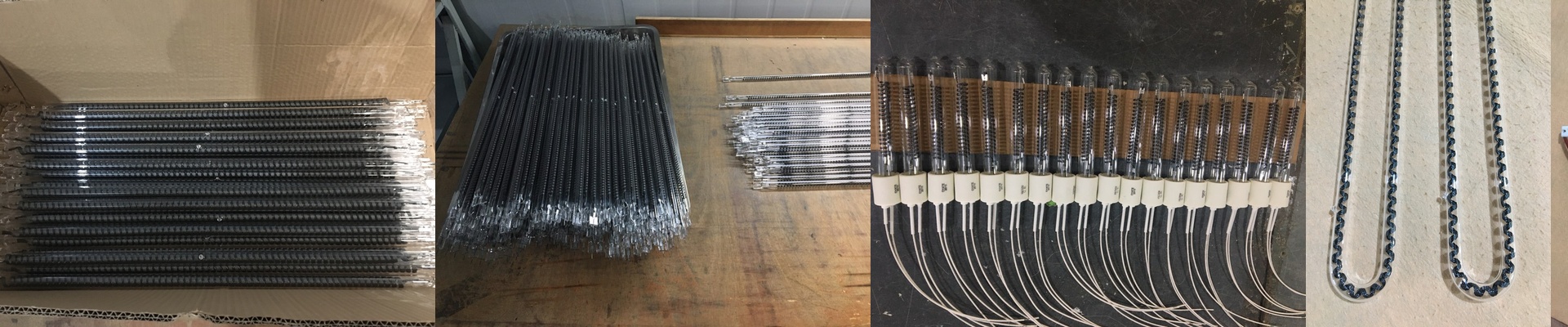
We built this twin carbon fiber infrared heating lamp for engineers who are squeezed for space but still need serious heat, fast. It’s not a general-purpose heater you throw at every problem. It’s a focused, compact powerhouse meant to slip into tight spots inside automated production cells, where speed and stable output are non-negotiable.
What Makes It Tick: Power, Voltage, and Size
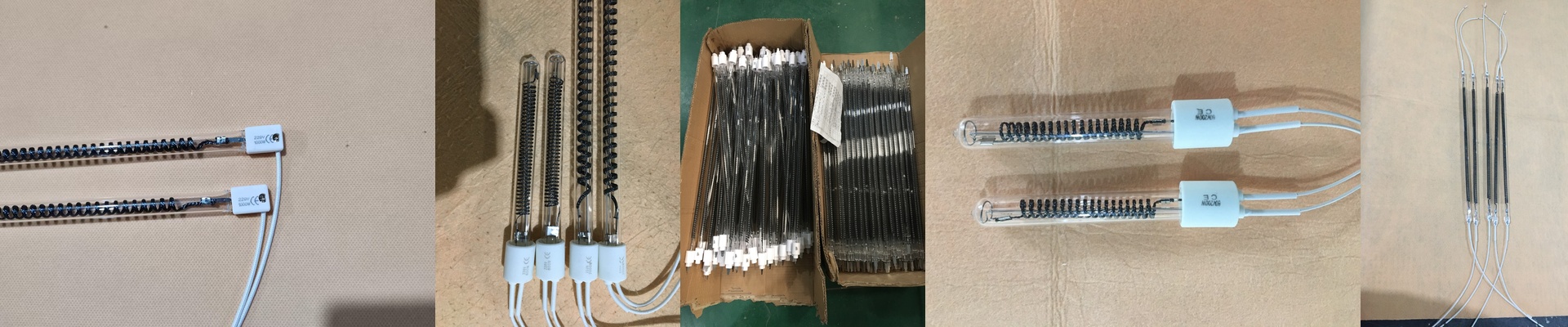
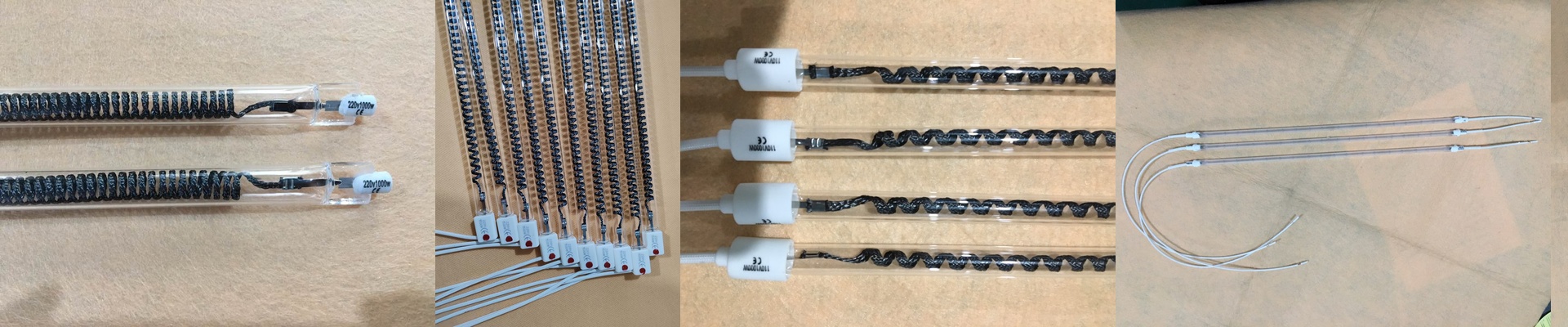
At the heart of this lamp is the twin-tube design. That means two independent heating paths packed into a single unit. Most setups run at 400V and 2500W, which gives you a lot of heat from a short package—often about 300mm long. The 400V rating is a smart move, too. It keeps the current lower for the same power, so you don’t have to wrestle with oversized wiring or stressed contacts inside crowded equipment. But with that power density comes a reality check: it runs hot in a small footprint. Plan your mounting with that in mind, and make sure nearby parts can handle the heat. If you need a cooler profile, we can dial down the wattage, but you’ll trade some of that lightning-fast response and peak temperature.
Built to Last: Materials and Installation
Inside each tube, a carbon fiber element heats up quickly and can take thermal shock without blinking. The halogen fill keeps the filament stable, even at the high temps needed for strong infrared output. The envelope is quartz, of course, and many versions come with a reflective coating to push more energy forward. Less wasted radiation. More consistent results on the target. When it comes to installation, the R7s base is the industrial standard for a reason. It’s a simple, two-contact fit that locks in fast and carries the current without extra adapters. If your machine was designed around R7s sockets, this lamp is a true drop-in replacement—no redesign headaches on the shop floor.
Where It Shines: Real-World Use
This lamp is made for jobs that need fast, localized heating—think plastic forming, adhesive curing, and component drying. The twin layout spreads heat more evenly across a rectangular zone, and the compact length keeps your machine footprint lean. The payoff is simple: it responds quickly, fits cleanly, and delivers repeatable performance when your cycles are measured in seconds.