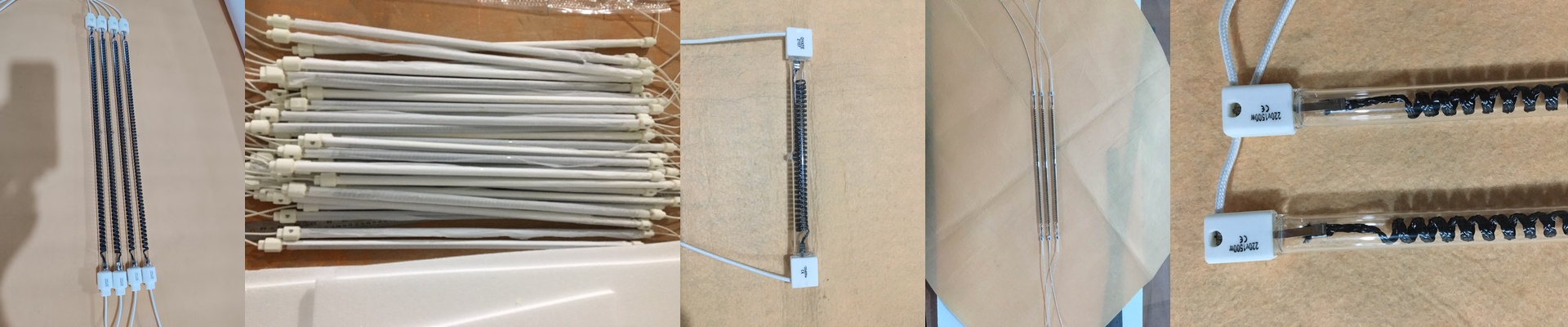
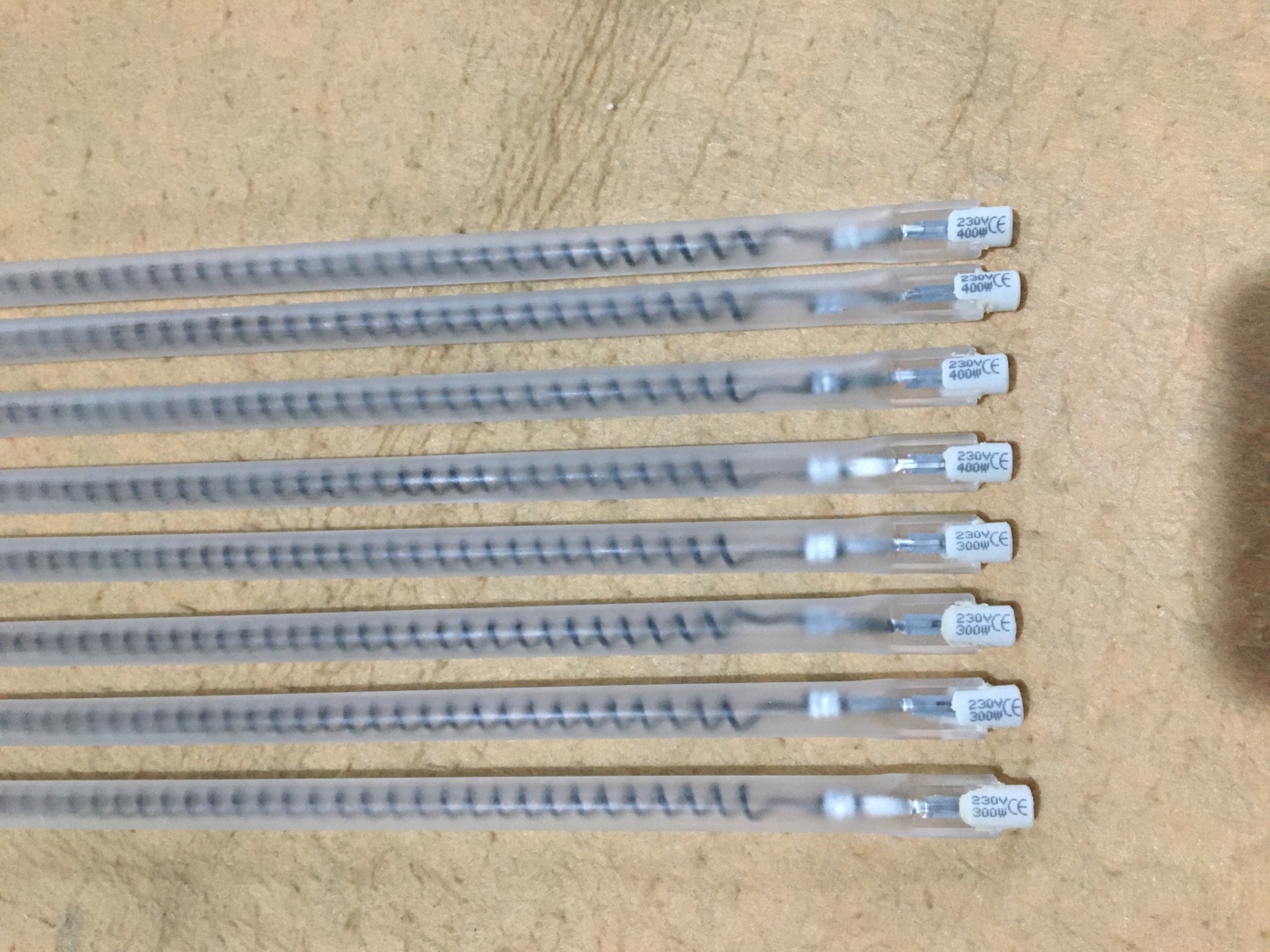
The Carbon Tube Reflector Lamp: Your Go-To for Intense, On-Demand Heat
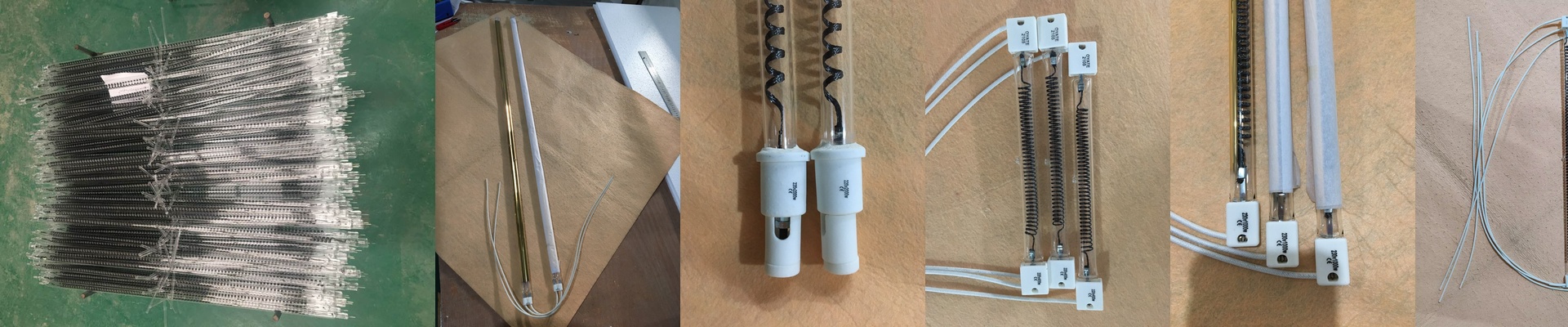
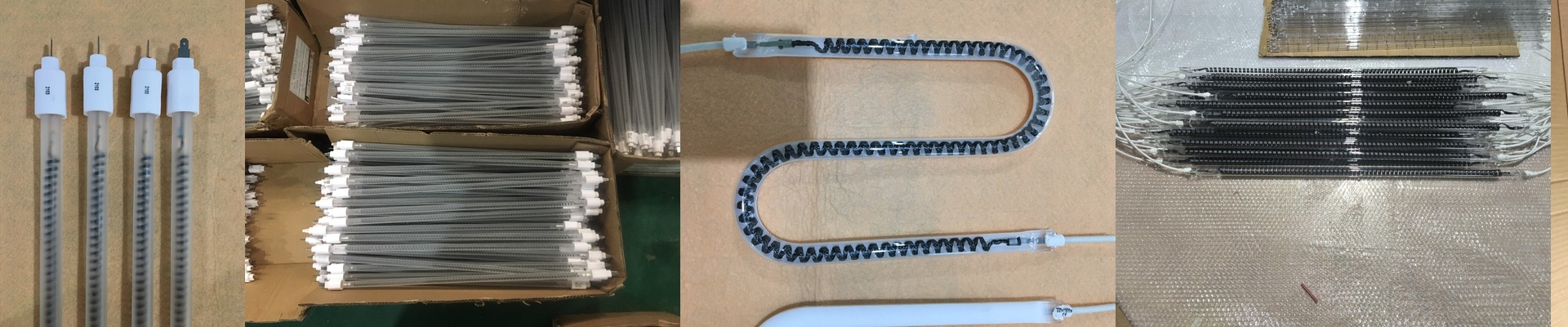
Let’s talk about a tool, not a light fixture. This carbon tube reflector lamp is built for one thing: delivering a hard-hitting blast of infrared heat exactly where you need it. We designed it for industrial jobs where space is at a premium and you need heat, fast. Forget about warming up a whole room. This is about hitting a target—like a plastic preform, a film, or a component—with pinpoint precision.
What’s Under the Hood? Power, Voltage, and Size
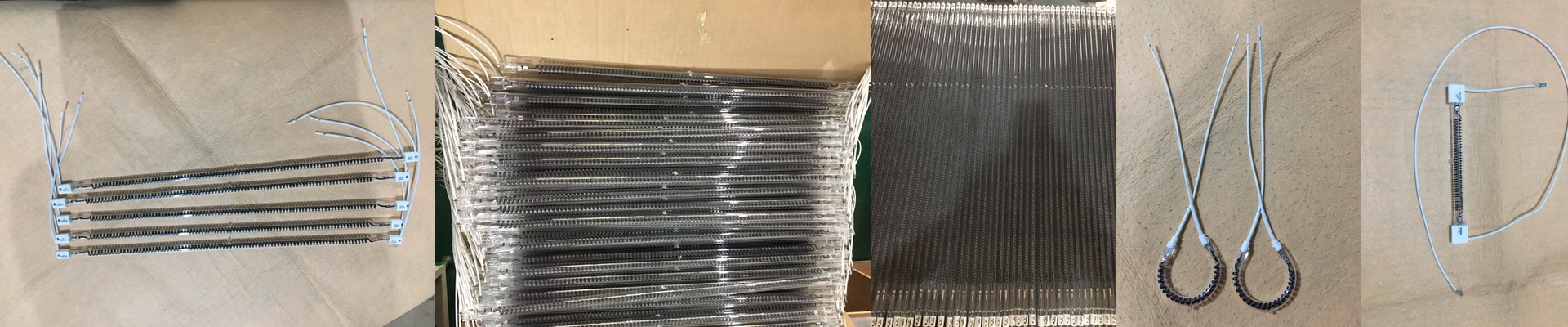
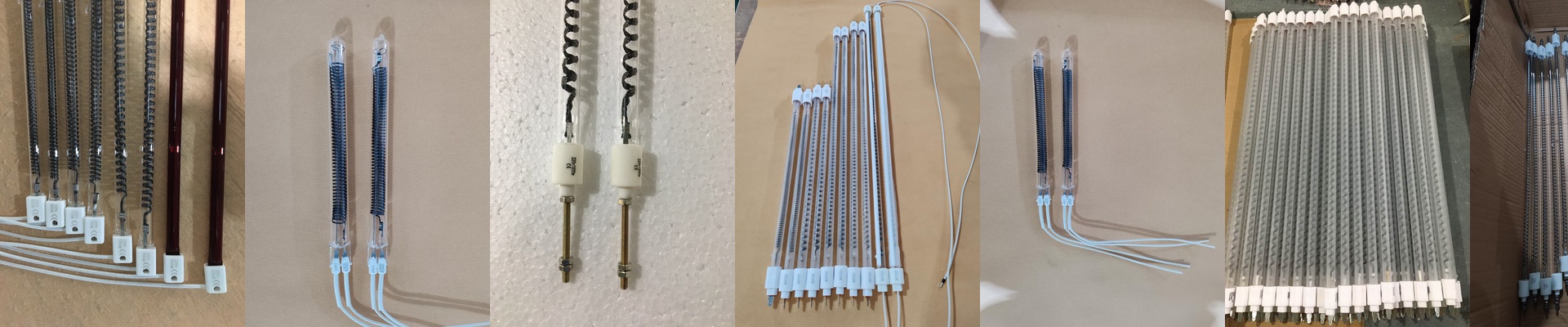
Here’s the thing about this lamp. It’s all about the balance. A typical unit runs at 400V and 2500W. We packed that power into a slim, 300mm tube. The result? A ton of heat density in a small footprint. You get that rapid temperature jump you need, without having to redesign your entire machine around a bulky heating element. That 300mm length is a sweet spot. It’s long enough to create a stable, even hot zone, but short enough to squeeze into tight spots in your machinery. When you get the reflector aligned just right, you’ll see a tight, focused pattern. That means less wasted energy and more heat hitting the exact spot you want.
The Build: Quartz, Halogen, and Smart Details
We chose a halogen-filled quartz envelope for a reason. Quartz can take the extreme heat and lets that shortwave infrared energy pass right through, nice and clean. The halogen part is the real workhorse. It runs a cycle that sends evaporated tungsten back to the filament. This keeps the inside of the lamp clean, which means consistent output over time and way less maintenance for you. The reflector is coated to throw all that energy forward. It’s efficient, but it does mean the back of the lamp runs hotter. So, you’ll want to make sure your mounting hardware can handle that. And for swapping it out? The R7s two-pin connector makes it simple. It’s a standard fit, so this lamp is a straightforward, drop-in upgrade for many existing setups.
Real-World Use: Heat Where You Need It
This is where the lamp shines. It’s built for real industrial tasks—think PET blowing, plastic sealing, or shrinking thin films. The shortwave output gets right to work, penetrating quickly. And because the heat is focused, you’re only warming the target, not everything around it. Now, there’s a trade-off. That high watt density means you need to manage the heat properly. Make sure you’ve got good airflow and that you’re shielding any nearby components. But get the setup right, and you’ll have a component that’s fast, stable, and tough enough to handle the daily grind of a production floor.