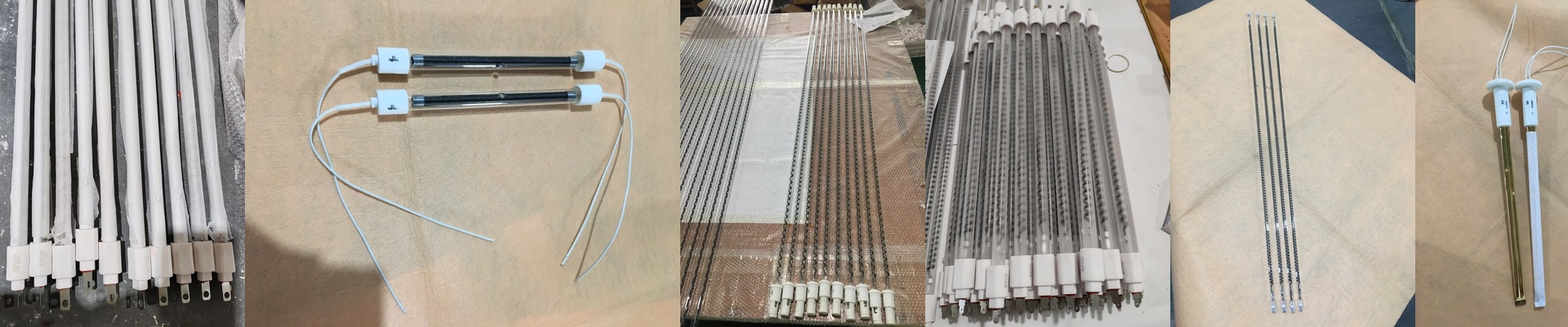
Let’s Talk About Carbon Fiber Heaters
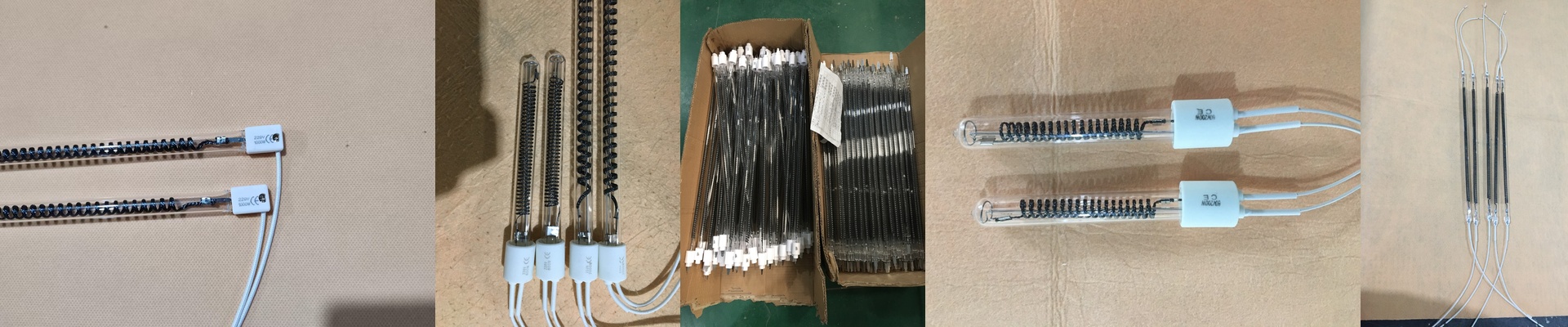
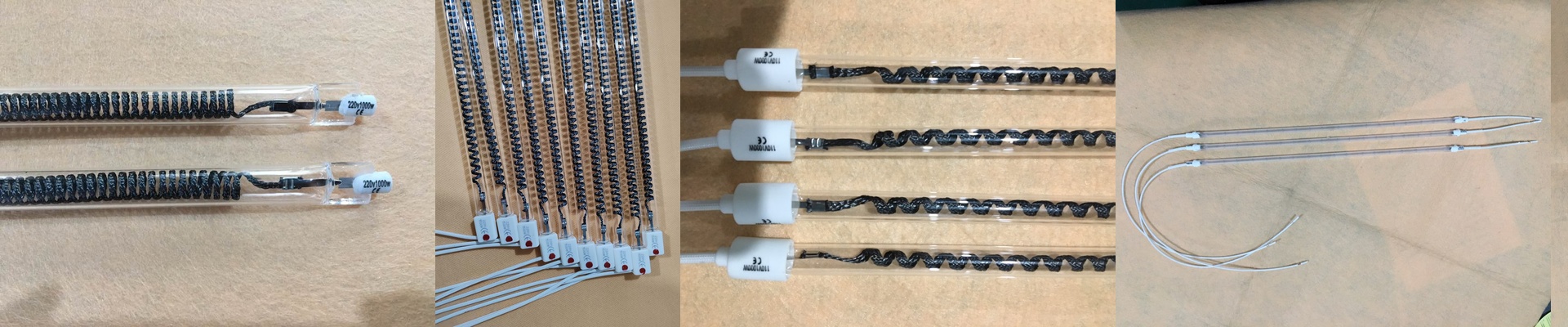
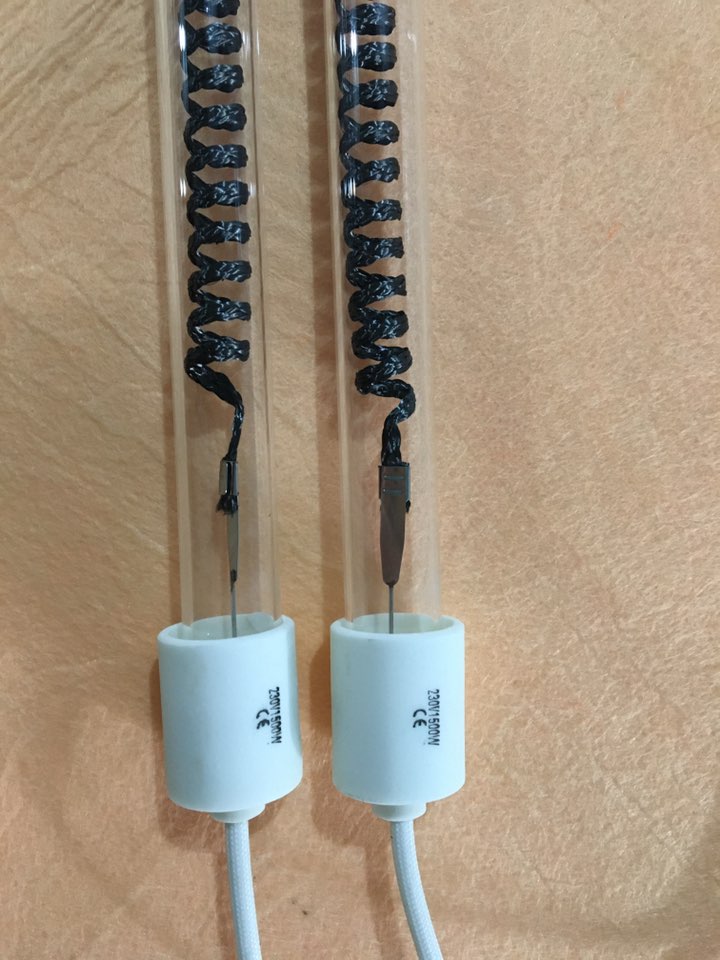
If you’ve ever struggled with heaters that only warm the surface of your material while the inside stays ice cold, you know the frustration. That’s why we build our far infrared (FIR) heaters with carbon fiber. Instead of relying on those old-school metal coils, we use carbon fiber filaments. They push out long-wave radiation that actuallysoaks deep into the workpiece. It’s the difference between a surface tan and a deep heat.
The Nitty-Gritty on Power
Here is how it works: the heat you get comes down to how dense the filaments are and the voltage you’re pumping in. When we crank up the wattage, we’re basically increasing the heat flux per square inch. We often go with higher voltage options because it keeps the current low. That means we can use thinner wiring for long runs without any issues. And the best part? These things are fast.**Really fast.**You flip the switch and you have heat almost instantly. No more standing around waiting for a massive oven to finally warm up.
What’s Under the Hood?
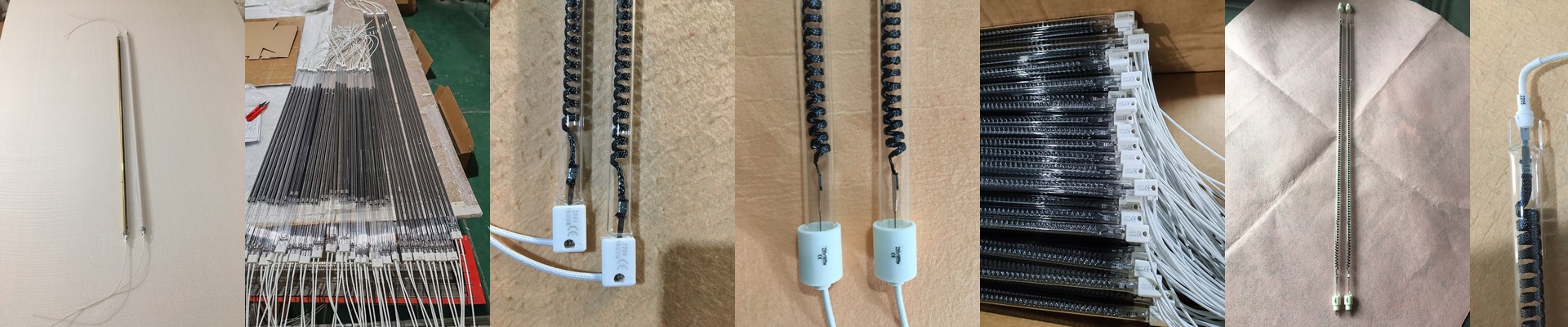
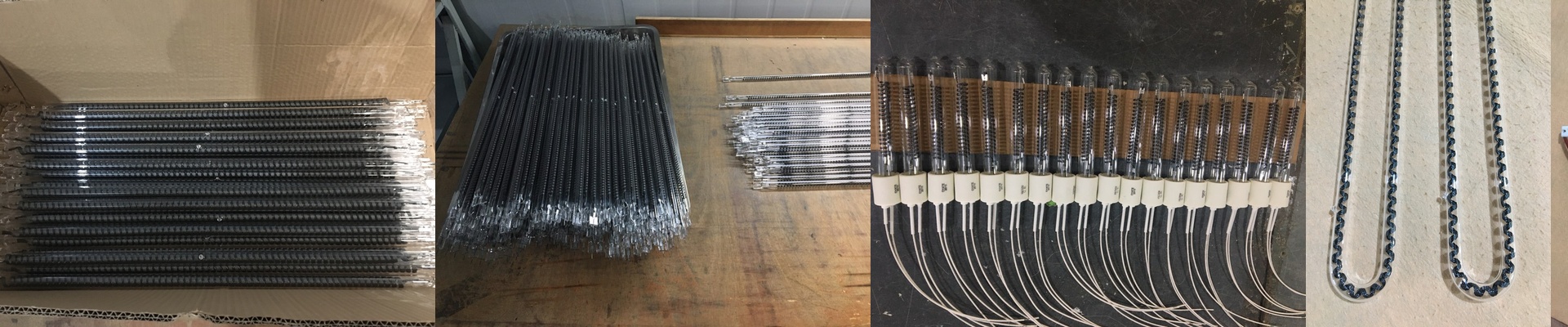
The heart of the unit is carbon fiber, but we don’t just leave it exposed. We wrap it in a quartz or ceramic sleeve to keep it safe from oxidation or a random bump in the shop. We also obsess over the end-cap seals. If moisture creeps into that fiber, the element burns out. Period. Then there’s the connector. Whether you want a standard screw terminal or something you can just plug in and go, we’ve got it. It makes a huge difference when a unit fails and you need to swap it out in two minutes to get your line moving again.
Putting Them to Work
You’ll see these doing the heavy lifting in curing ovens, drying tunnels, and plastic forming. Because the heat penetrates so deeply, they’re a lifesaver for thick materials that need a totally even internal temperature. But a word of caution: these heaters getintense. If you cram them too tightly into a small space, you might warp the housing or fry your sensors. Also, since they react so quickly, you’ll need to tune your PID controllers. If you don’t, you’ll likely overshoot your target temperature before the system can catch up.