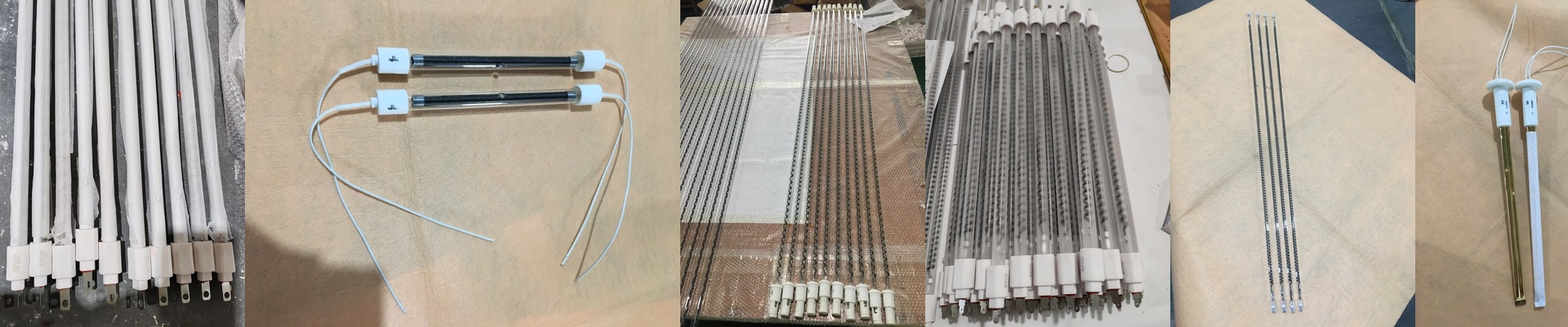
Getting to Know the Nano Carbon Infrared Heater
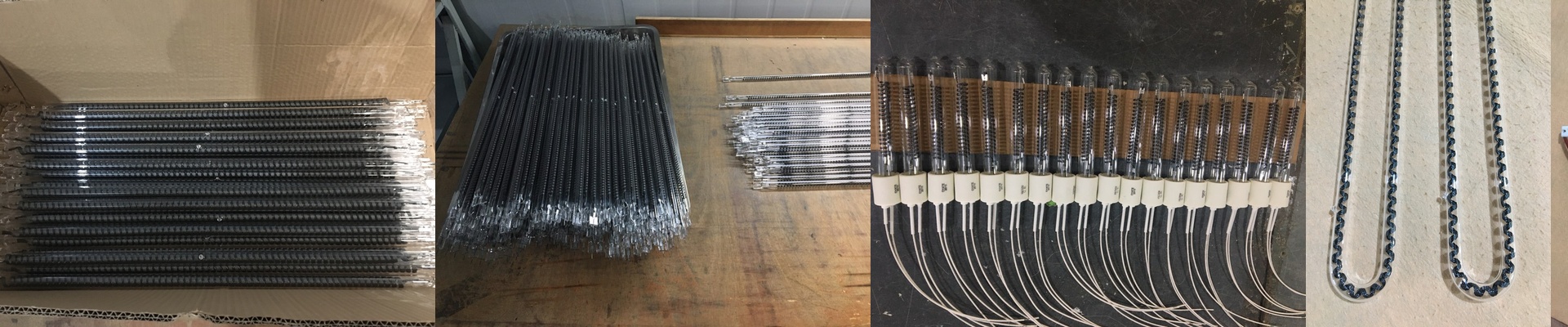
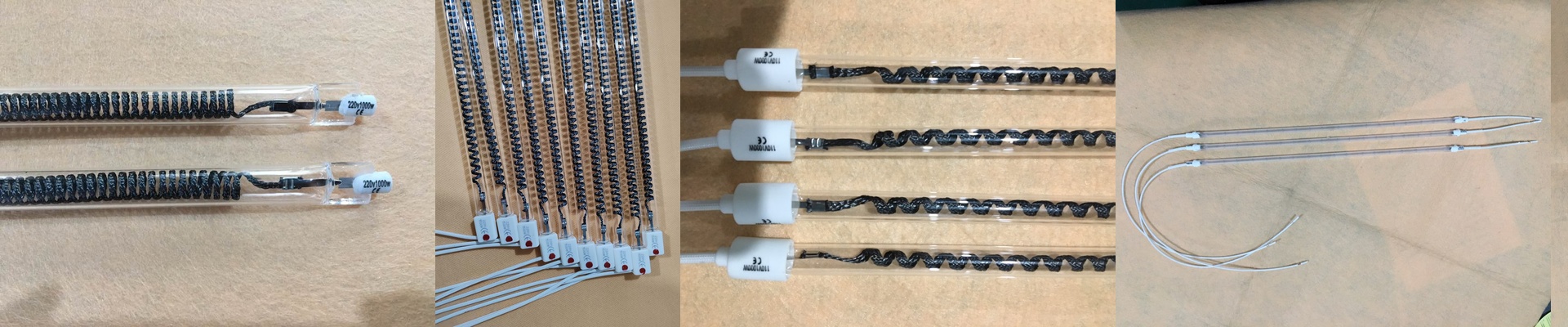
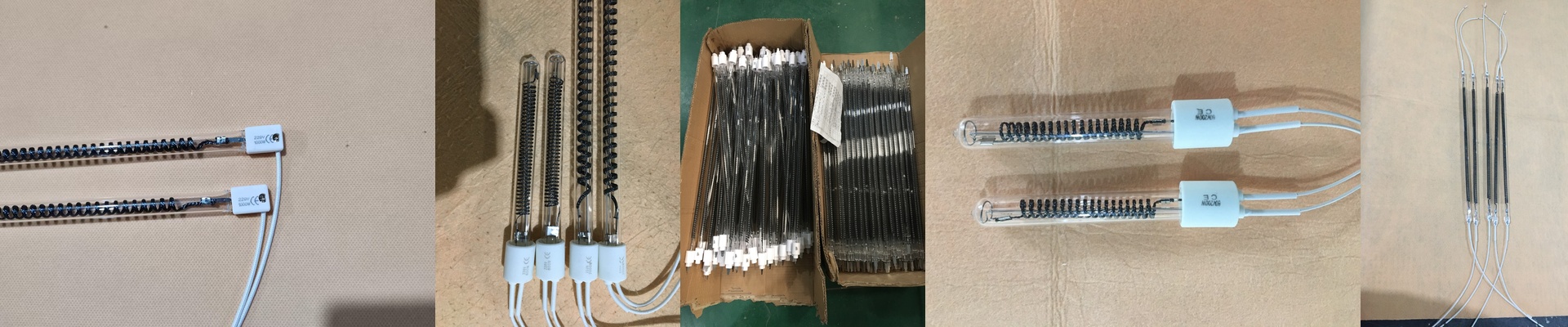
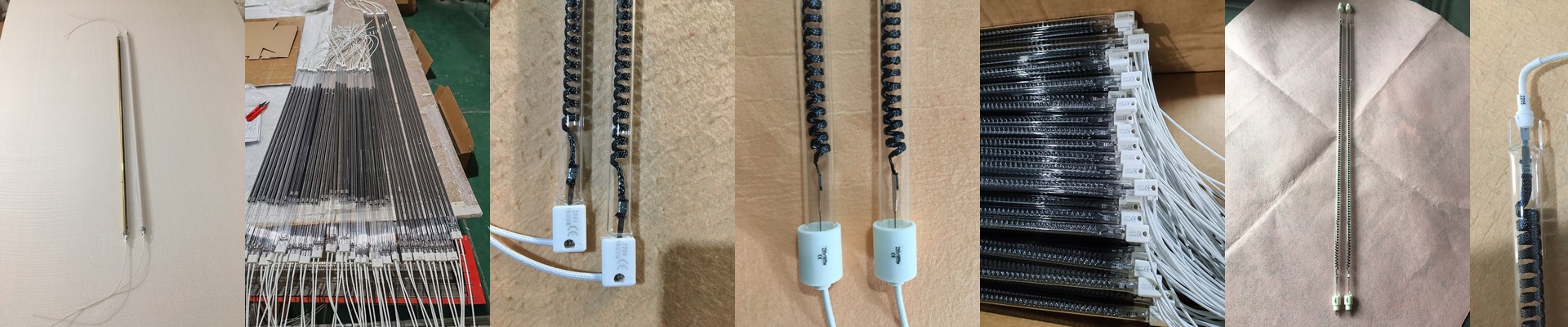
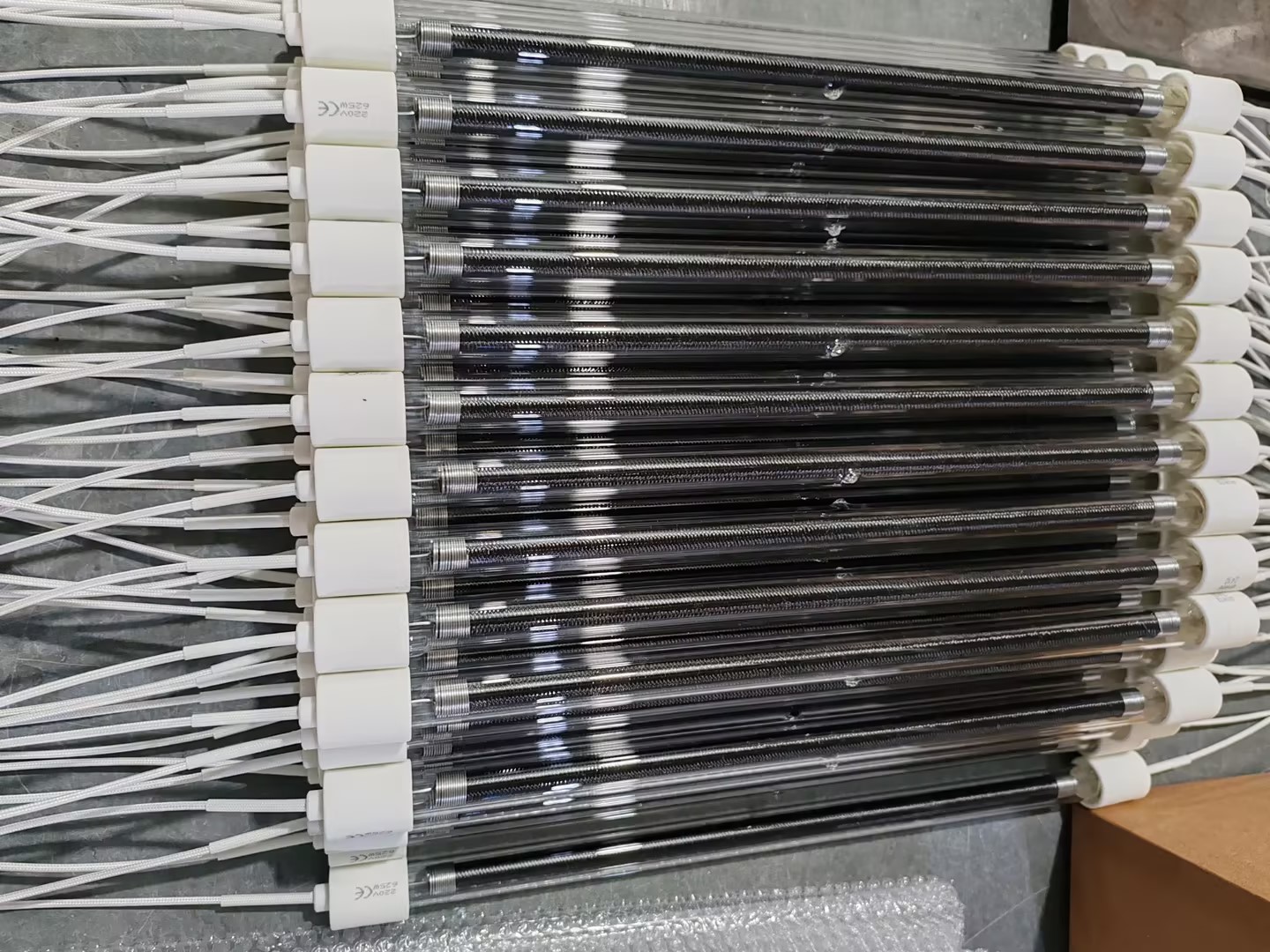
Let’s talk about this heater. We built it as a serious workhorse—the kind you can count on when your industrial process needs intense, focused heat. Inside, you’ve got a nano-carbon filament wrapped in a halogen-filled quartz tube. Together, they crank out shortwave infrared radiation that hits hard and hits fast. It’s for engineers who need a heater that’s tough, compact, and delivers steady heat, no matter what the day throws at it.
Power, Voltage, and Size—The Real Numbers
At the heart of it is a 400V setup that delivers 2500W of power. That kind of punch gets the heater up to temperature almost instantly, cutting down on warm-up time and keeping your production line moving. And the size? It’s only 300mm long and 10mm wide. That tiny footprint slips into tight spaces where bigger heaters just can’t go. But here’s the thing—all that power in a small package means you’ve got to manage the heat. Your machine’s cooling system needs to be up to the task. If you don’t keep the surrounding temperature in check, you risk overheating nearby parts or the housing itself.
The Materials and Design—Why It Works
The whole unit is built around a halogen-filled quartz tube that protects the nano-carbon filament. The halogen gas does something pretty smart—it creates a cycle that puts evaporated carbon back onto the filament. What does that mean for you? It keeps the filament temperature stable and stretches the lamp life. No more premature burn-outs like you get with standard infrared lamps. And the R7s connector? It’s the standard for double-ended halogen lamps. It gives you a secure, high-temperature connection that handles the 400V load without arcing. So swapping it into your existing R7s system is a no-brainer.
Where It Shines—Real-World Performance
This heater really comes alive in jobs like PET blowing or plastic thermoforming. The shortwave infrared doesn’t just scorch the surface—it penetrates the plastic, heating it from the inside out. The result? Faster cycle times and more even heating across the material. For engineers, it’s the kind of tool that just makes sense. You get 400V power, a 300mm form factor, and an R7s interface that makes wiring and installation straightforward. It’s a practical, no-fuss way to get intense heat exactly where you need it, exactly when you need it.