Carbon Halogen Heater Parts: The Specs, the Design, and Why It Just Works
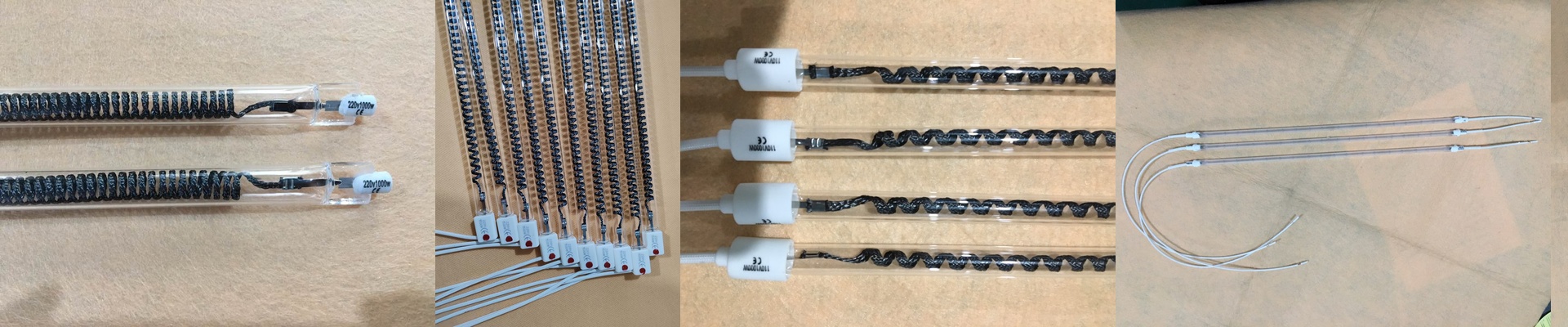
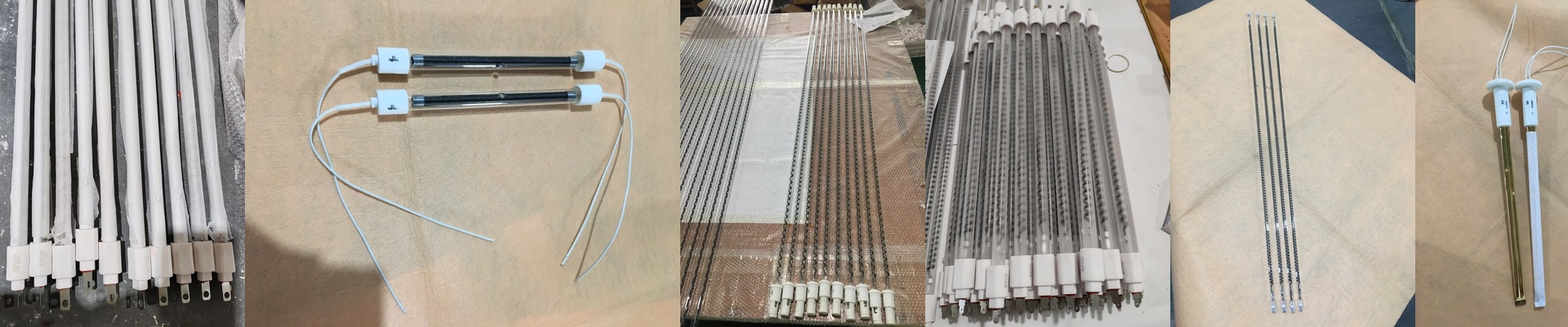
Ever needed a heater that gets hot—fast—without tearing apart your whole machine? That’s exactly what we built these carbon halogen heater parts for. The heart of it is a shortwave halogen lamp, designed to pack a ton of heat into a tiny space.
Power, voltage, and size: built for real-world machines
These specs weren’t picked in a vacuum. They were chosen to match what your equipment is already dealing with. The 400V rating? That means it can often plug straight into the standard industrial power in many plants—no extra transformers needed. And the 2500W output is for the moments when you need temperature to snap back, quickly. Think hot runners, sealing bars, and drying zones that can’t afford to wait. As for size, the 300mm length and 10mm diameter are a sweet spot. Long enough to cover the heating area you need, but slim enough to slip into tight channels and narrow tool pockets. You get predictable heat spread without forcing a redesign of the whole assembly.
What’s inside: the halogen element, the coating, and the connector
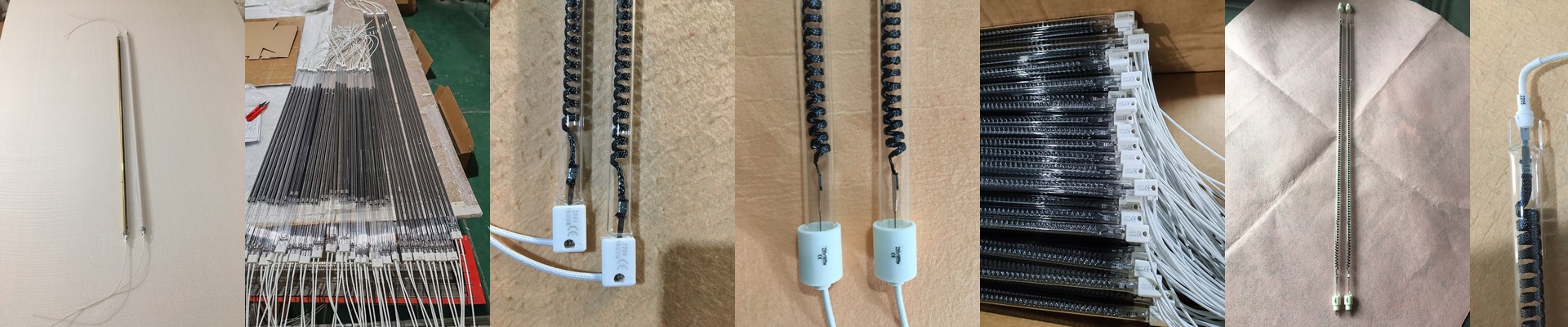
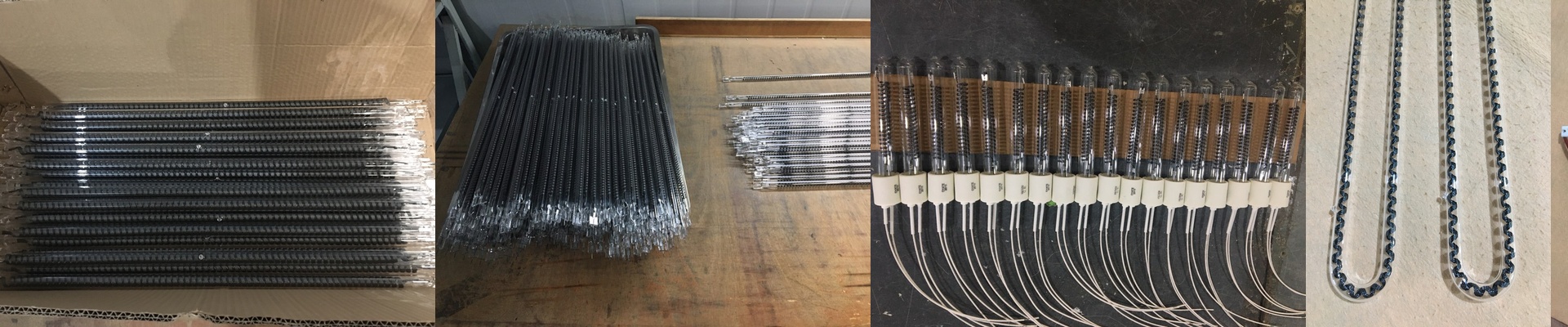
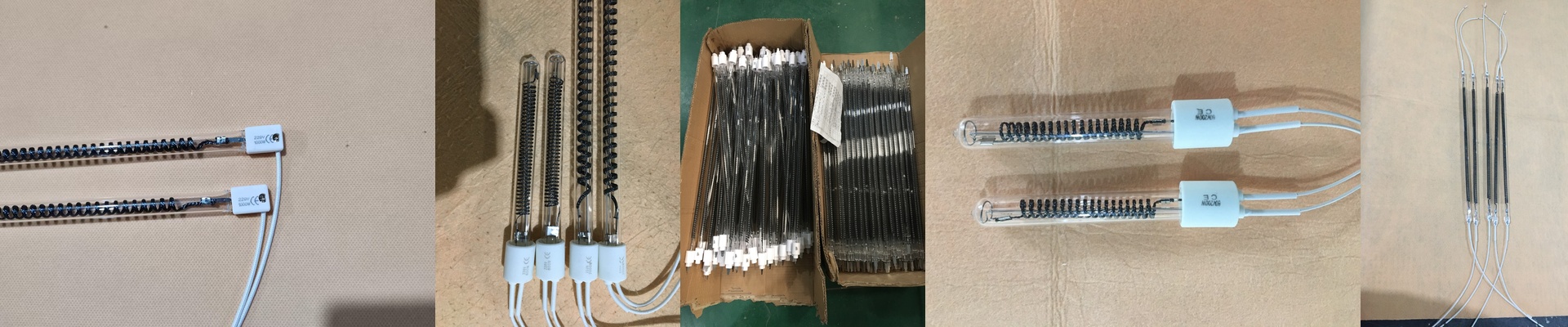
The carbon halogen element delivers shortwave infrared heat, and it couples fast into polymers and surface layers. In practice, that means shorter cycle times and more stable temperatures once you hit your setpoint. The quartz envelope is coated to survive industrial life. It handles thermal shock and resists contamination, so the lamp can sit close to moving parts, take the abuse, and still keep output consistent. And the R7s connector? It’s all about quick swaps. It locks in with a straight fit and solid contact retention, so you can replace a burnt-out lamp on the line without rewiring anything.
Where this shines—and what to keep in mind
This setup is for engineers who need heat that drops in and gets to work, especially where space is tight. You’ll see it used a lot in PET blowing, plastic welding, and packaging sealing—places where fast response and stable temperature matter more than heating a huge area. Just be straight with yourself: 2500W at 400V means serious heat density. Your machine’s cooling and thermal management need to be ready for it. If the surrounding parts can handle the ambient heat, you get a heating module that’s reliable, serviceable, and keeps pace with production without drama.