Introduction
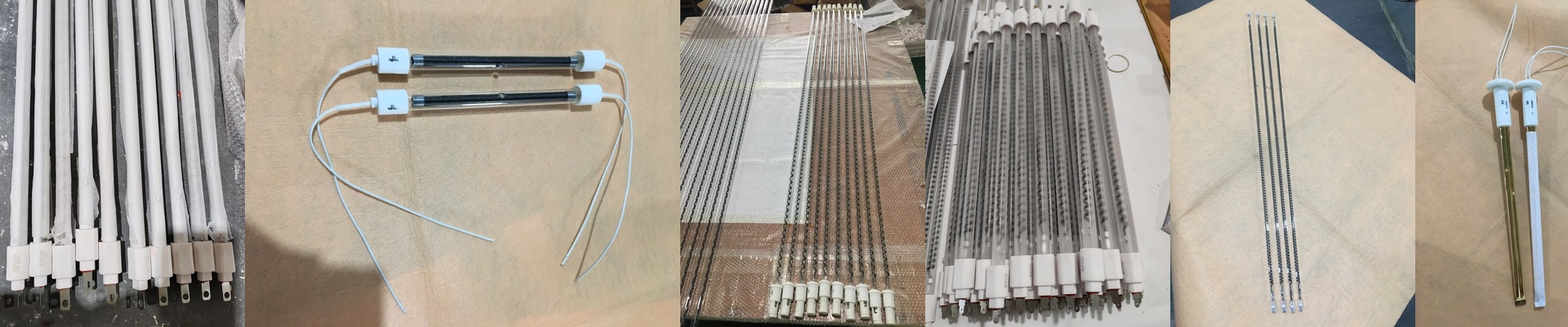
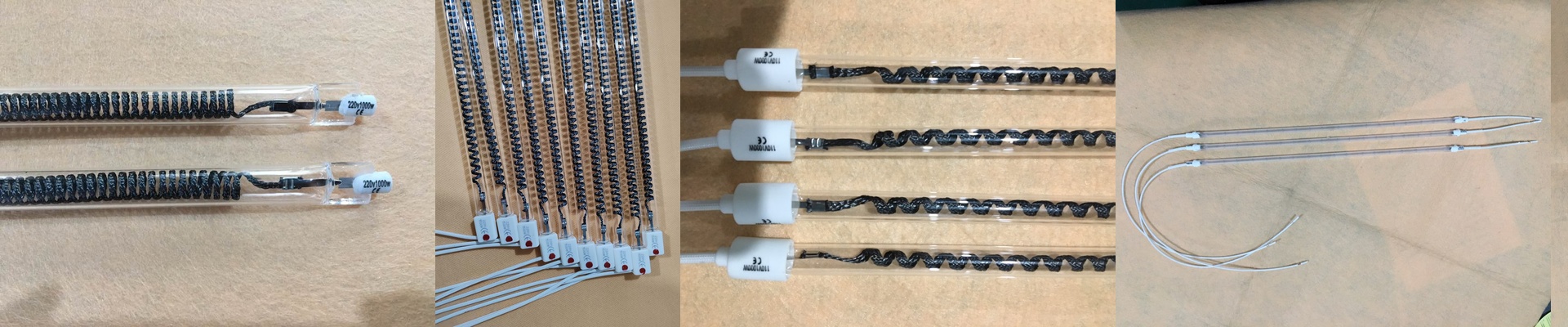
We built this 500W carbon heater lamp for the tight spots—the places on an industrial machine where you need serious heat, but you don’t have room to spare. It’s all about packing a lot of infrared power into a small package, so you can get focused heat exactly where you need it, without ripping apart your whole thermal setup. Think of it as a targeted heat source that gets the job done fast and keeps things steady.
The Power Behind the Size
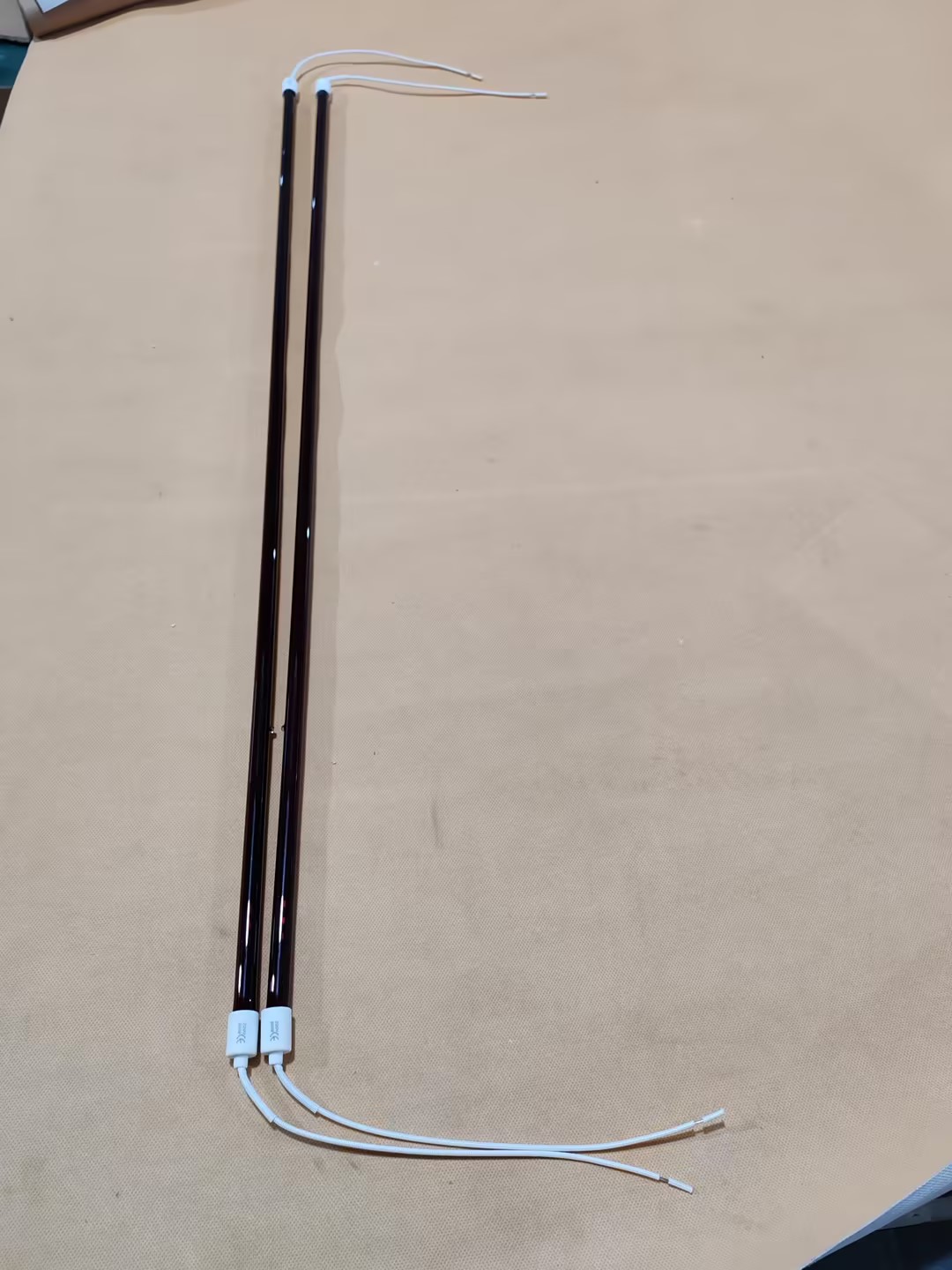
That 500W rating isn’t just a number. It’s about giving you a lot of heat density in a very small footprint. You get the punch you need to heat things up quickly, without forcing a total redesign of the chassis around it. We engineered this lamp to work with the power supplies you already have on the floor. And we kept the overall length short, so it slips right into those snug reflector cavities. The whole point? A component you can drop in, wire up, and get running with minimal fuss.
What’s Inside
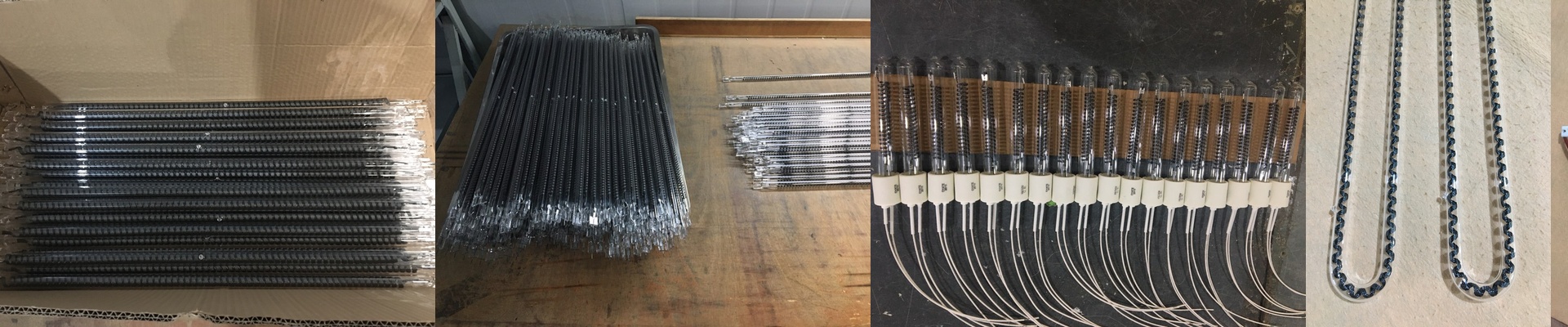
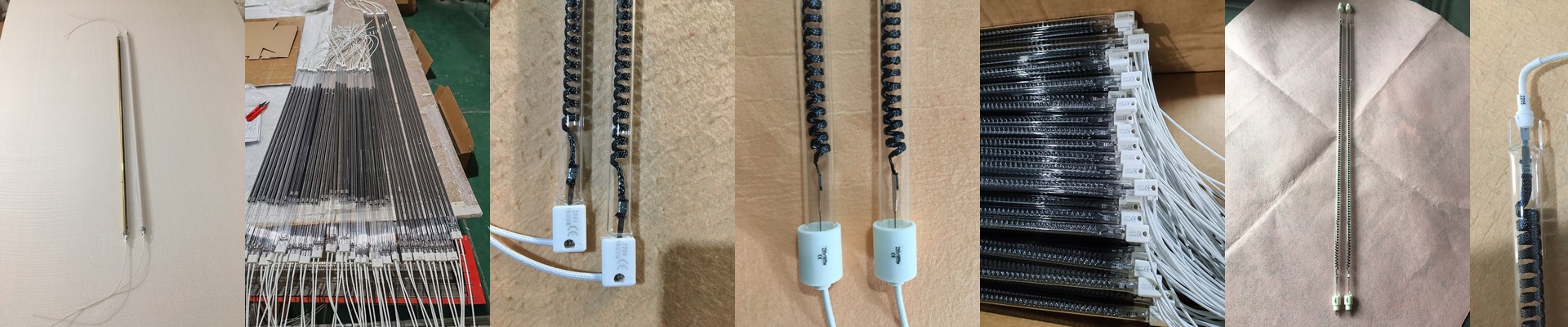
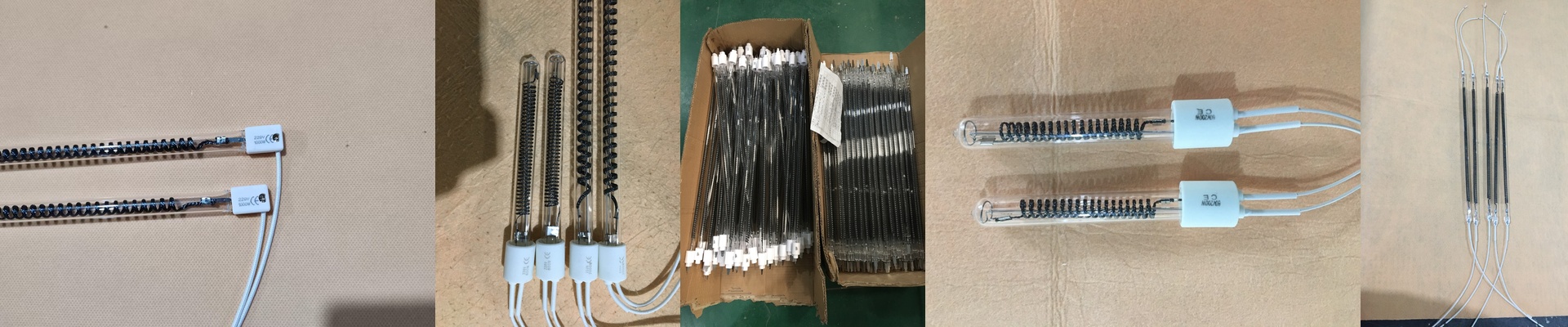
The carbon filament is the heart of it. It puts out infrared heat across a broad spectrum, which means it couples with the material you’re treating almost instantly. You get heat transfer that feels immediate, not sluggish. The quartz envelope is built for the heat, too. It handles the high temperatures and gives the filament a stable home, which cuts down on the stress that can create hot spots. And we went with an R7s connector for a simple reason: it works. It’s a solid, secure fit that holds its alignment in reflector assemblies, and when the lamp eventually needs replacing, the swap is straightforward.
Built for the Shop Floor
This lamp was made for real work. Heating platens. Drying coatings. Pre-heating plastics. Keeping process heat stations humming. It gets up to temperature fast, which helps you shorten cycle times and keep your process consistent. That’s the upside. But here’s the thing: that 500W density means you need to plan for heat. Make sure the surrounding assembly can shed it properly. If the heat can’t get out, the lamp will run hotter than it should, and you’ll shorten its life. So, map out the heat path first. Then run the lamp.