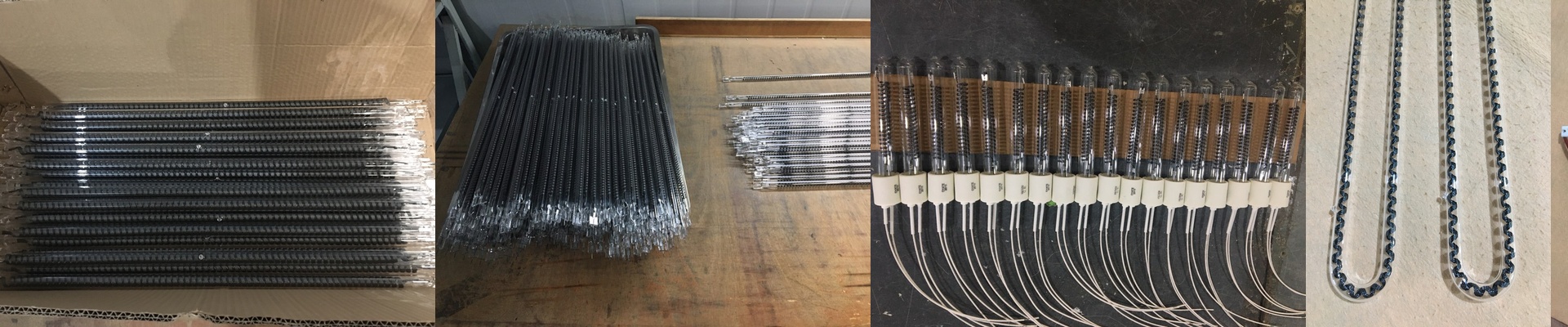
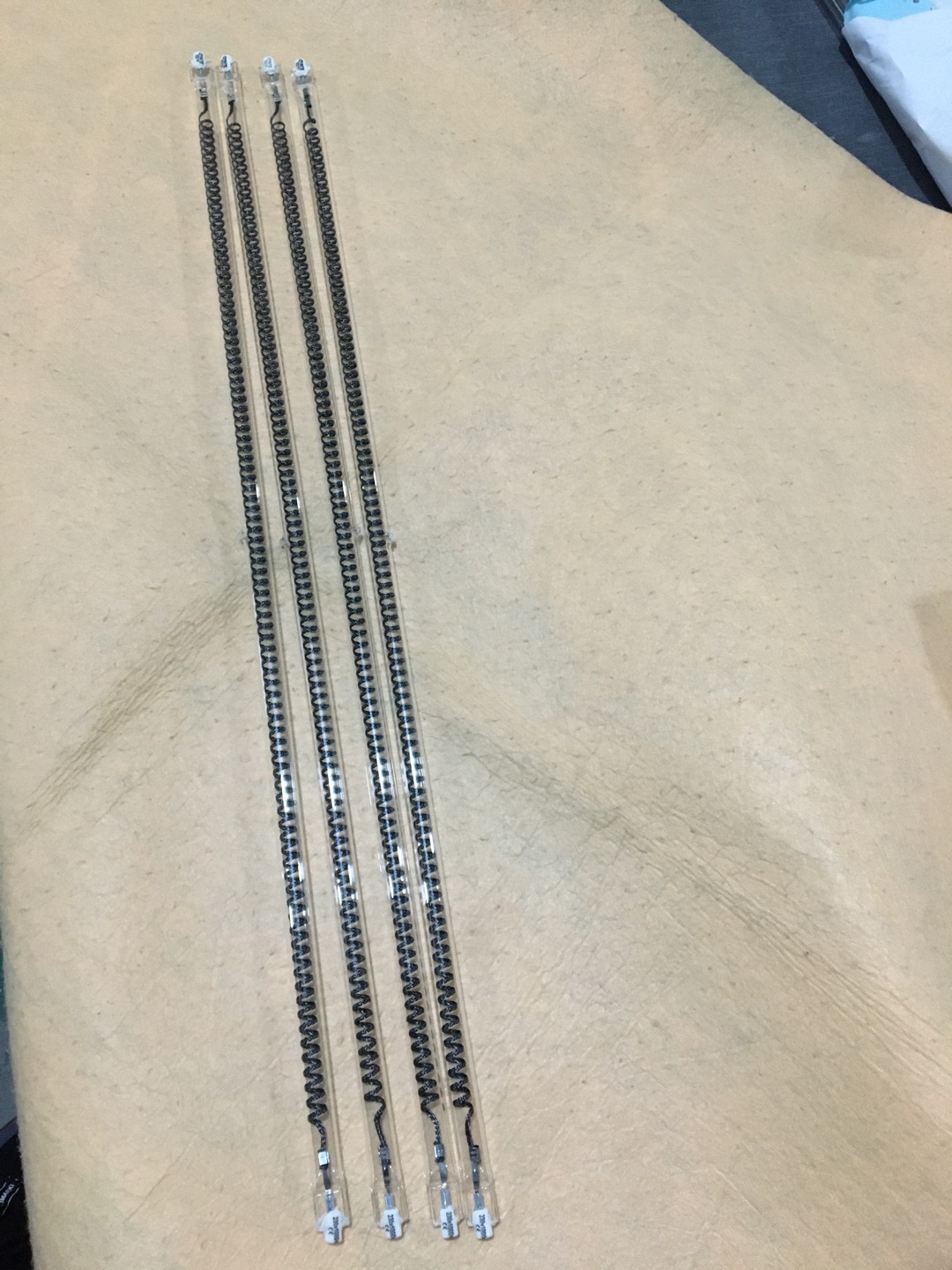
Let’s Talk Carbon Infrared Emitters
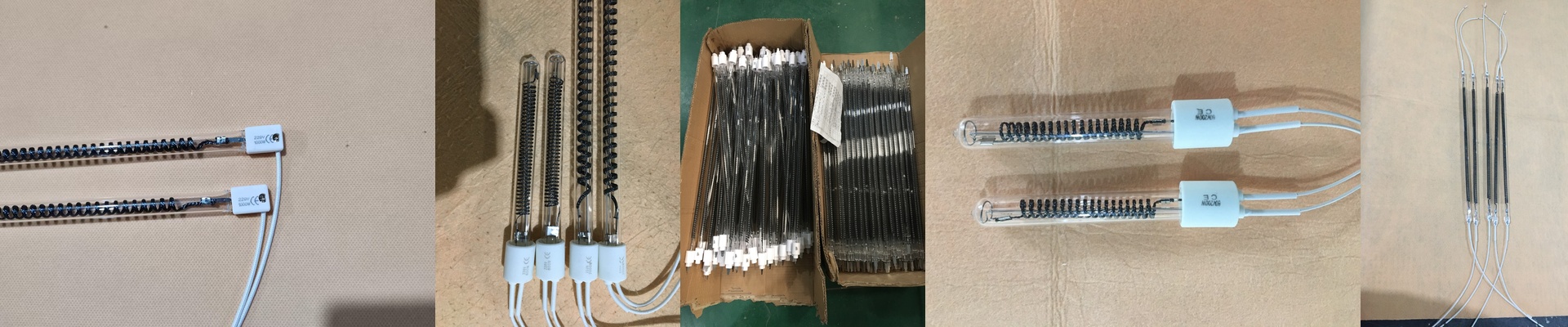
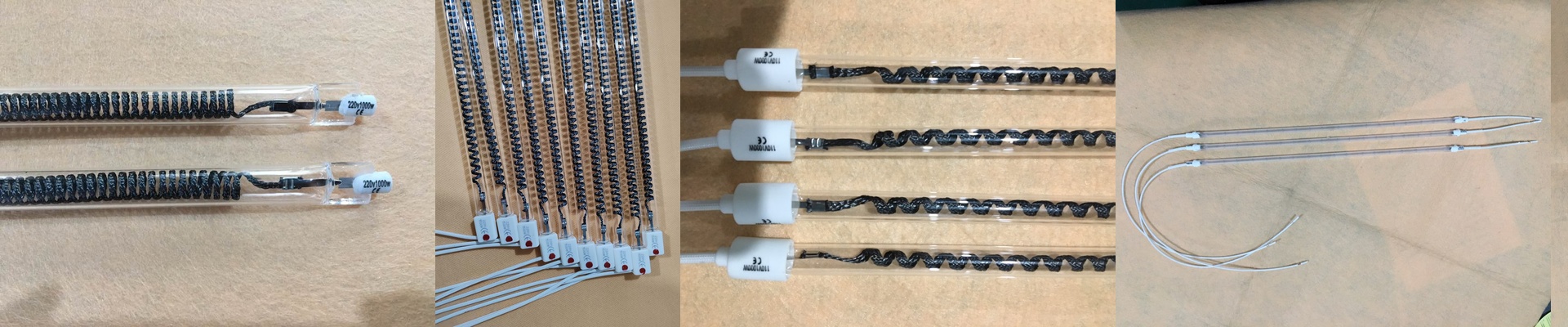
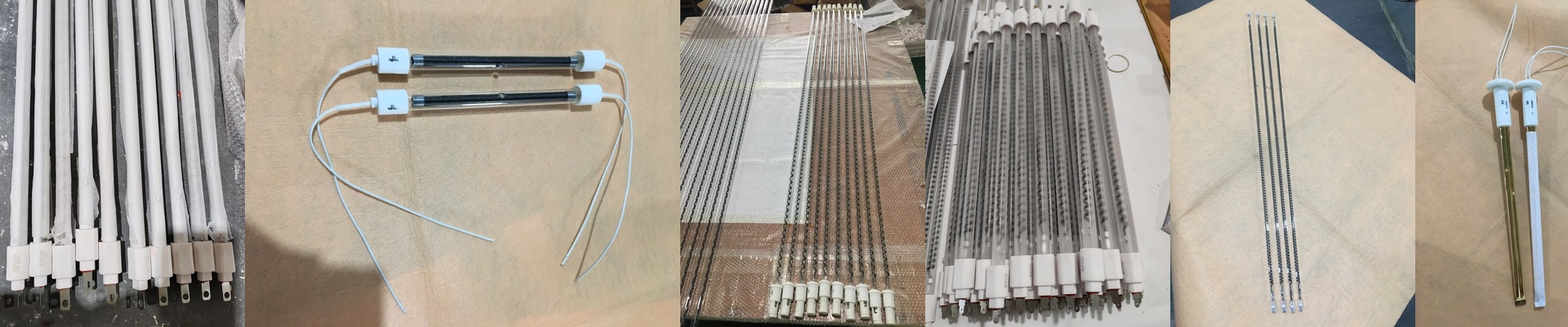
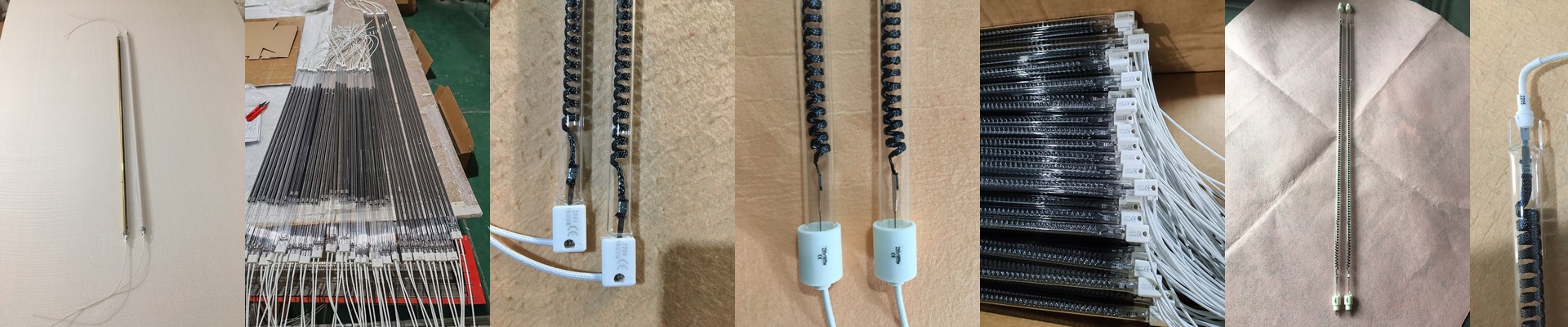
Think of these as the high-performance version of a heating lamp. We use a carbon fiber filament tucked inside a quartz tube to get that medium-to-short wavelength heat. The big difference here? The carbon. It hits the target harder and faster than your standard quartz lamps. If you’re running a process where you can’t afford to wait around for things to warm up, this is exactly what you need. Getting the power right Here is the thing: your wattage and voltage are everything. When you go for a high-wattage tube, you’re basically packing more heat into every single millimeter. If you’re running a massive oven array, high-voltage setups are your best friend because they keep the current draw low. That means your cables won’t get dangerously hot. But you’ve got to be precise. If you under-power the lamp, you’ll get cold spots. Go too high? You’ll fry the filament and be replacing the lamp way sooner than you’d like. The build and the “swap” We use high-purity quartz. Why? Because these things go through a lot of thermal stress, and the glass needs to be tough enough to handle the ride. Depending on what you’re heating, we can coat the tubes to change how the heat hits or to bounce more of it back. For the plugs, we stick with R7s or Sk15 connectors. They’re standard for a reason. When a lamp finally dies, you can just pop it out and slide a new one in. No rewiring the whole bank, no headache. Just a few minutes and you’re back in business. Real-world trade-offs You’ll see these all over the place in PET blowing and plastic curing. The ramp-up is incredibly fast, which means your cycle times drop and you get more done. But there’s a catch. When these tubes get screaming hot, they become fragile. Really fragile. If your machine vibrates too much or some unlucky operator bumps into the lamp, it’ll shatter. To keep things running smoothly, make sure your mounting is rock-solid. And for heaven’s sake, keep the airflow clear. If the connectors don’t breathe, they’ll melt.