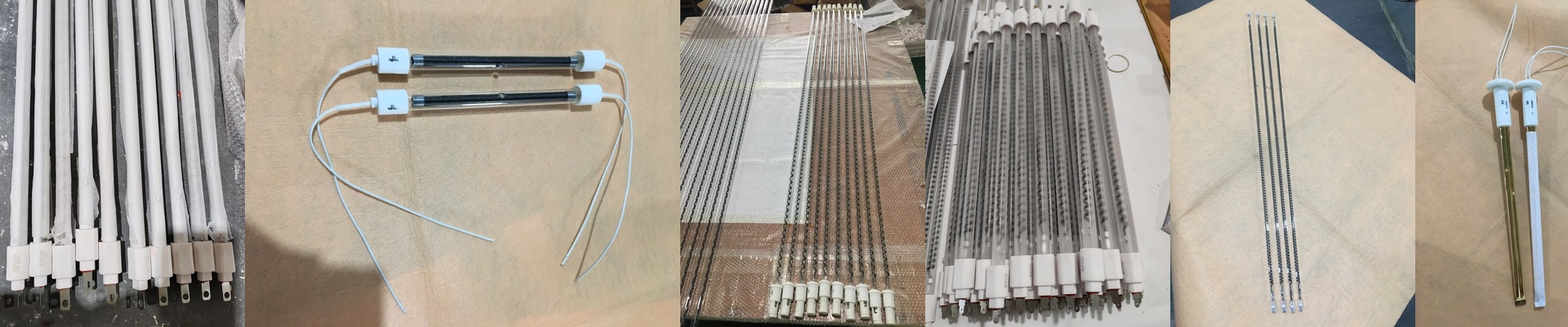
Why Your IR Lamp Filaments Keep Burning Out (and How We Fix It)
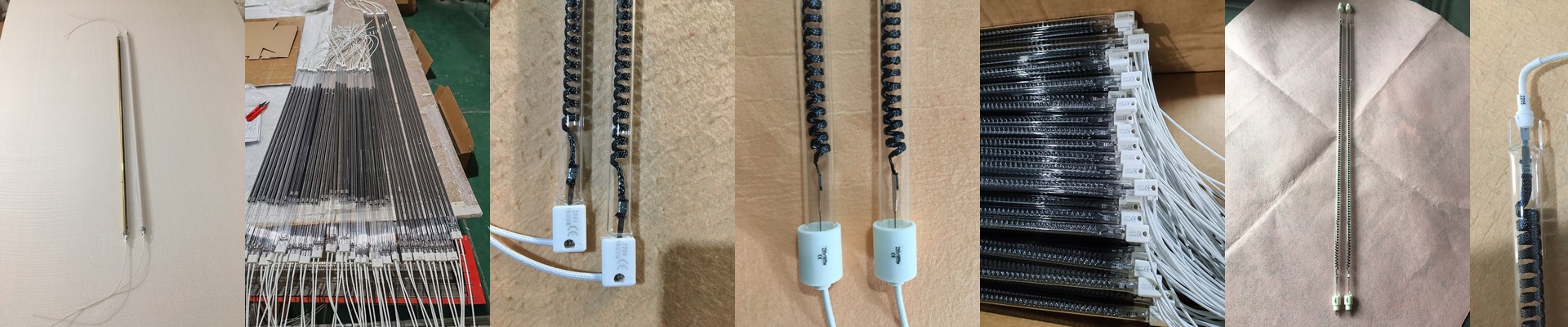
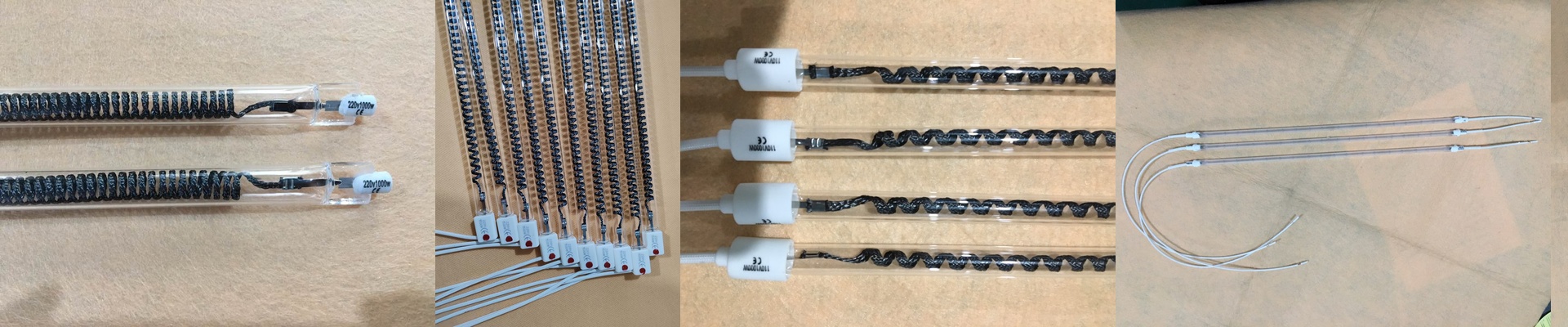
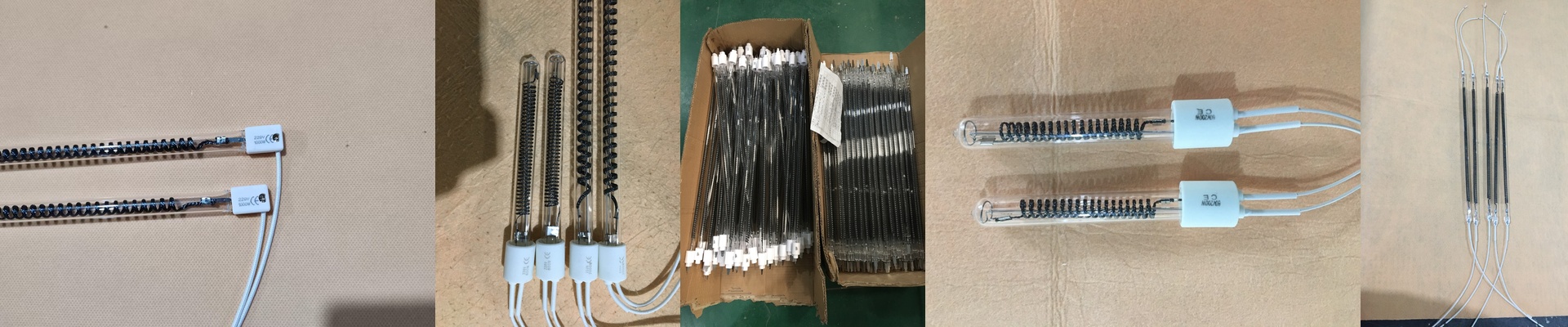
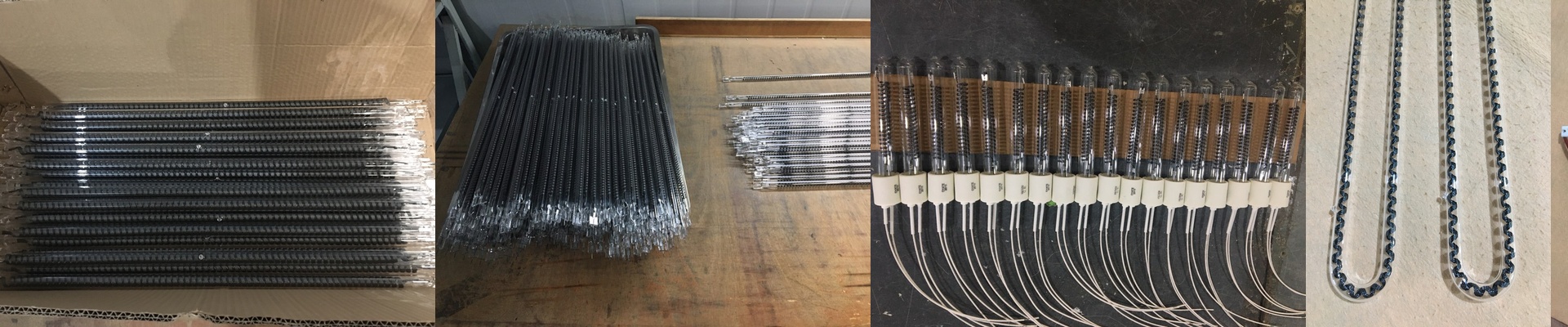
If you’re doing flash curing in electronics, you know the drill. Your infrared lamps are basically sprinting—switching on and off thousands of times every single hour. It’s a brutal cycle. The lamp heats up, expands, cools down, and shrinks. Over and over. This puts a massive amount of stress on the filament supports. If those supports warp or start to sag even a little bit, the filament shifts. And once it moves? You get hot spots, uneven heating, and a tube that burns out way sooner than it should. The “Tug-of-War” Problem Think of it as a constant tug-of-war. Every time the tungsten filament hits full power, it stretches. When the power cuts, it snaps back. To stop the supports from just giving up, we use high-purity quartz and a very specific geometry. The goal is to make sure the supports expand and contract at the same rate as the filament. If they don’t match, the supports take a beating, they deform, and the whole thing fails. We Don’t Guess. We Break Things. We aren’t interested in “theoretical” durability. We actually put these lamps through hell. We run fatigue tests that cram years of shop-floor wear and tear into a few weeks. We pulse the lamps thousands of times and measure the filament position with micron-level precision. If the support shifts by a fraction of a millimeter? It’s trash. We toss it. One Small Catch Here’s the thing: because we build these supports to be so rigid and tough, the tubes are a bit less forgiving when you’re actually installing them. You have to make sure your mounting brackets are perfectly aligned. If you try to force a tube into a socket that’s slightly off, you’re introducing mechanical tension. That tension cancels out all our engineering. It doesn’t matter how good the quartz is—if it’s under pressure, it’ll crack the moment it gets hot. Just keep your footprints square. Your lamps will thank you.