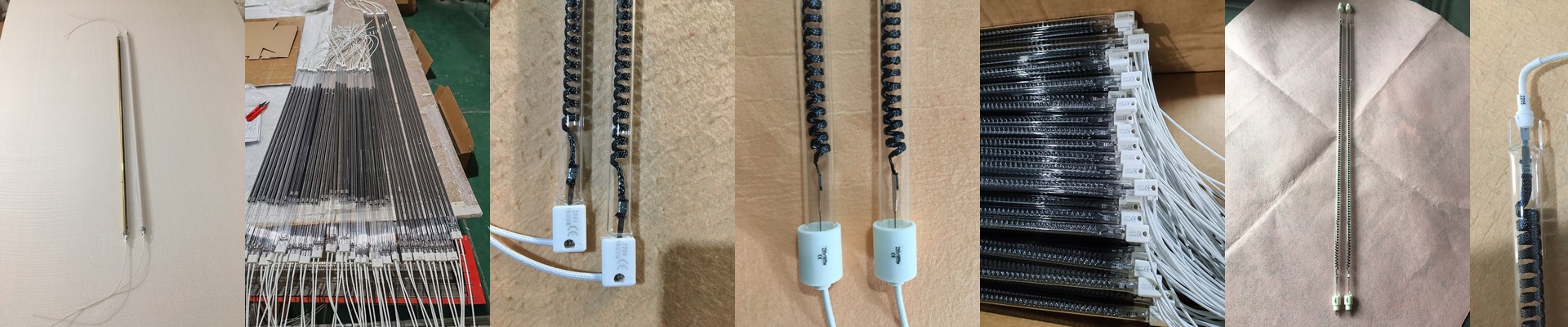
Let’s Talk Carbon Fiber Heat Lamps
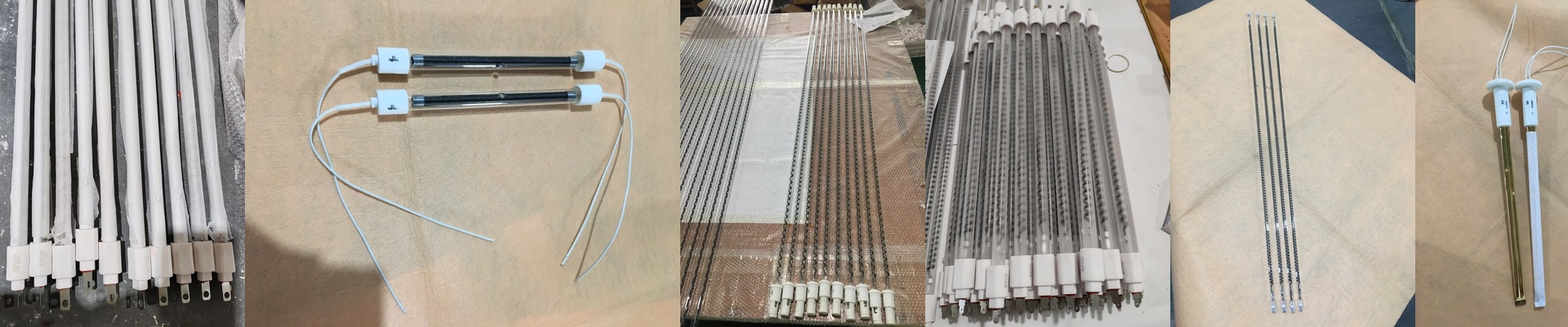
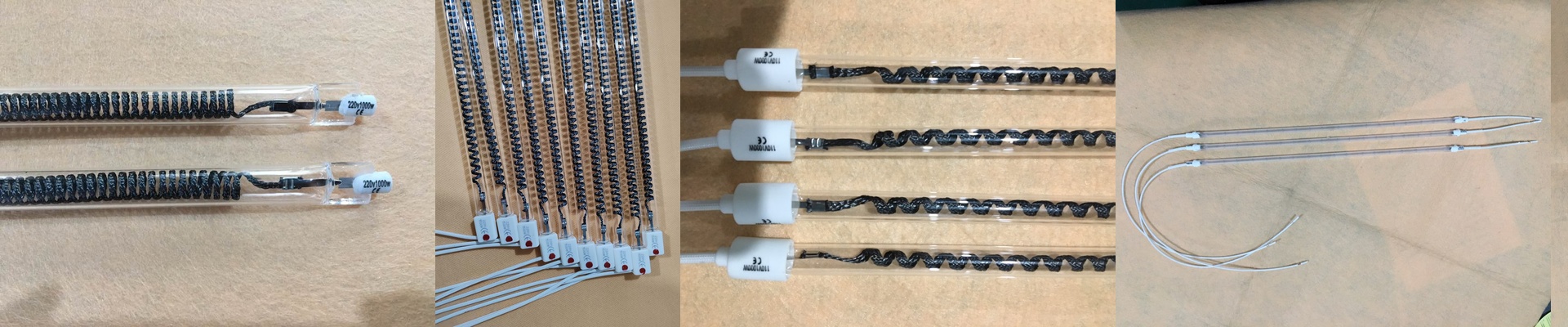
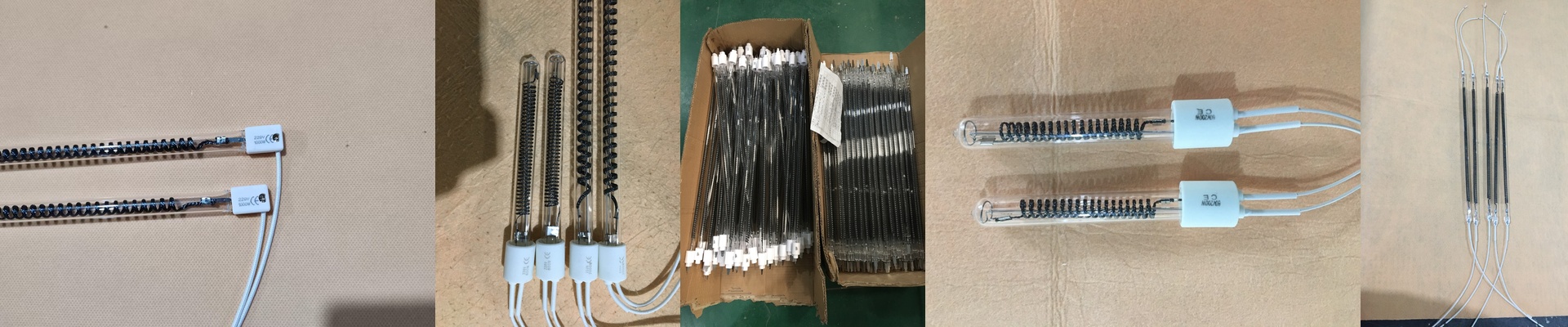
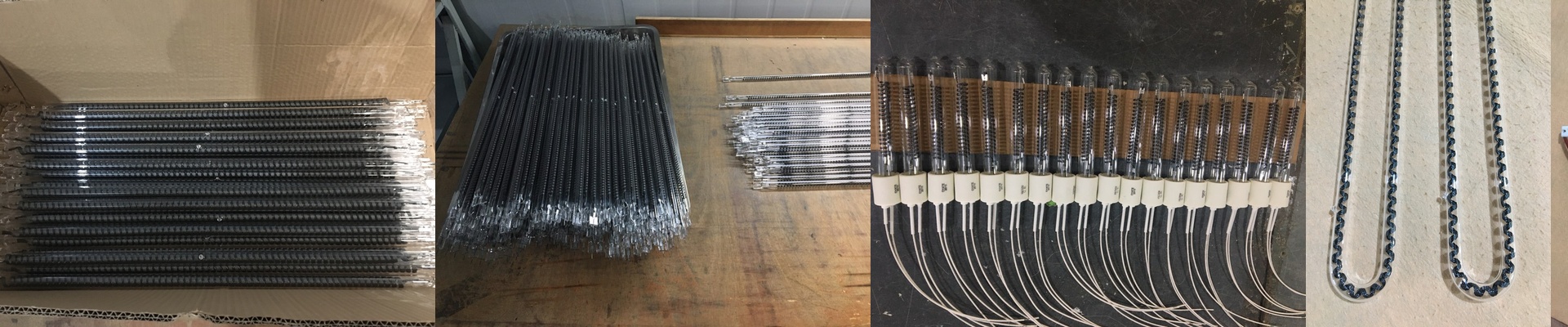
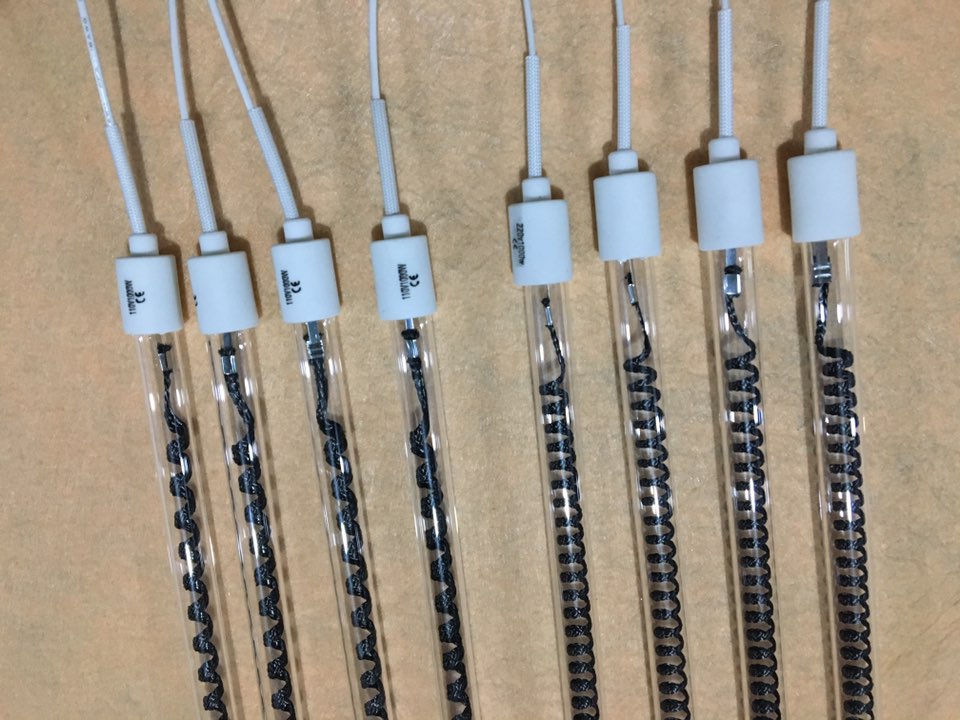
If you’ve ever dealt with slow warm-up times on a production line, you know the frustration. It kills your rhythm. That’s where carbon fiber lamps come in. Basically, we take a carbon fiber filament and tuck it inside a quartz tube. The result? Heat that hits hard and hits fast. It’s designed for those moments when you can’t afford to wait around for a lamp to “get going” because your line speed depends on it. The Power Side of Things Getting the voltage and wattage right is where most people trip up. High-wattage tubes are great for when you need concentrated heat right on the surface. Here’s a pro tip: if you go with a high-voltage system, you’ll pull less current for the same amount of heat. This keeps your wiring from getting too hot, which is a win for everyone. But be careful. You’ve got to match your power supply to the lamp’s rated voltage exactly. If you over-volt them, you’ll fry the filament in a matter of hours. Not a great way to spend a Tuesday. What They’re Made Of We use quartz glass for the outer shell because it lets the infrared heat pass through without blocking it. Depending on what you’re heating, we can coat the tubes to change how the heat emits or to bounce more of it back toward the target. As for the plugs, we stick with standard R7s or Sk15 connectors. They just slide right into most industrial ovens. They’re built to handle the way metal expands and shrinks when it gets hot, so you don’t have to worry about a loose connection causing a flicker. Putting Them to Work You’ll see these everywhere—PET blowing, welding plastics, curing paint. You’ll notice the heat feels more “even” than those old-school metal coils. No more annoying hot spots ruining your workpieces. Just one thing to keep in mind: this kind of heat penetrates materials fast. If you’re running a high-wattage setup, make sure your cooling fans and shields are up to the task. If the air doesn’t move around the ends of the lamp, those connectors can overheat and quit on you.