Introduction
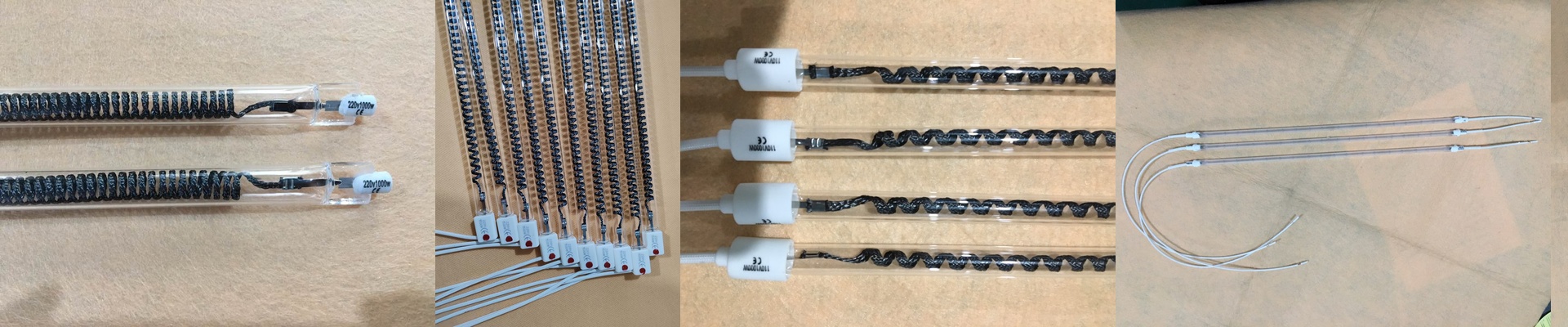
We built this carbon fiber infrared heating lamp for one reason: industrial paint curing lines. This isn’t a general-purpose heater you throw at any problem. It’s a focused tool, designed to deliver a quick burst of energy right where you need it. The whole point? Get the coating fully cured in seconds, without turning the part underneath into a hot mess.
The Power Behind the Design
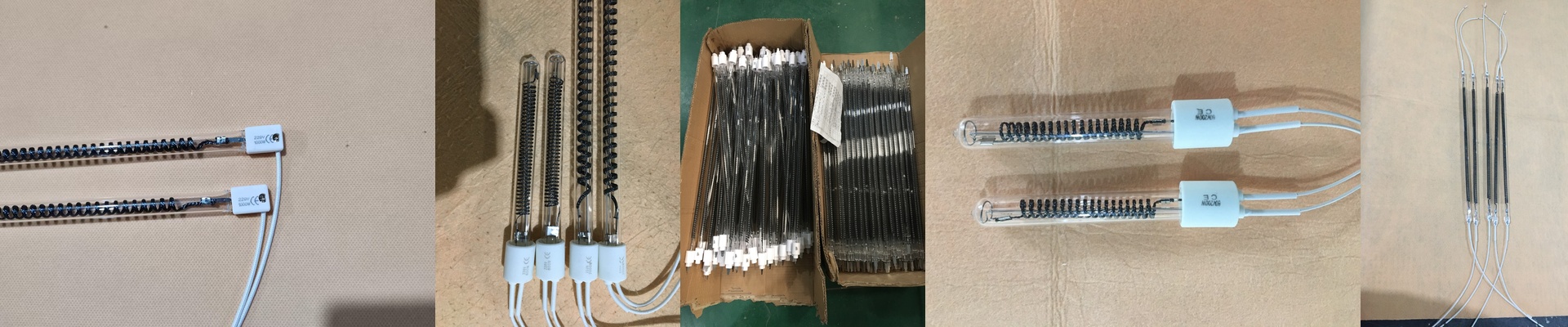
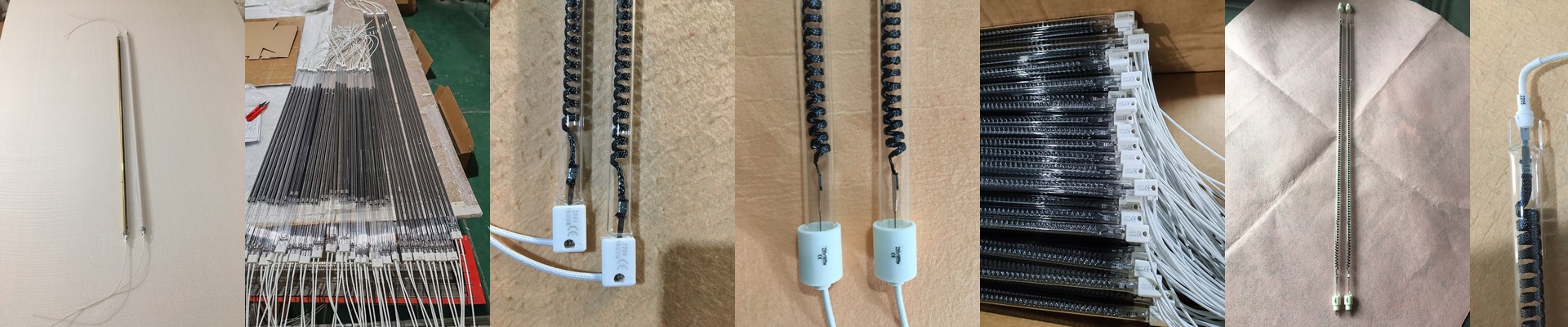
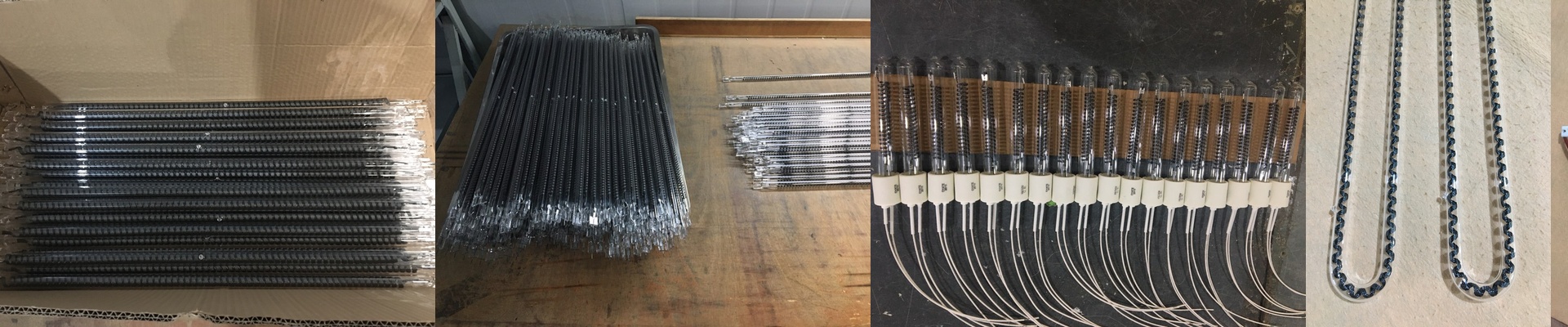
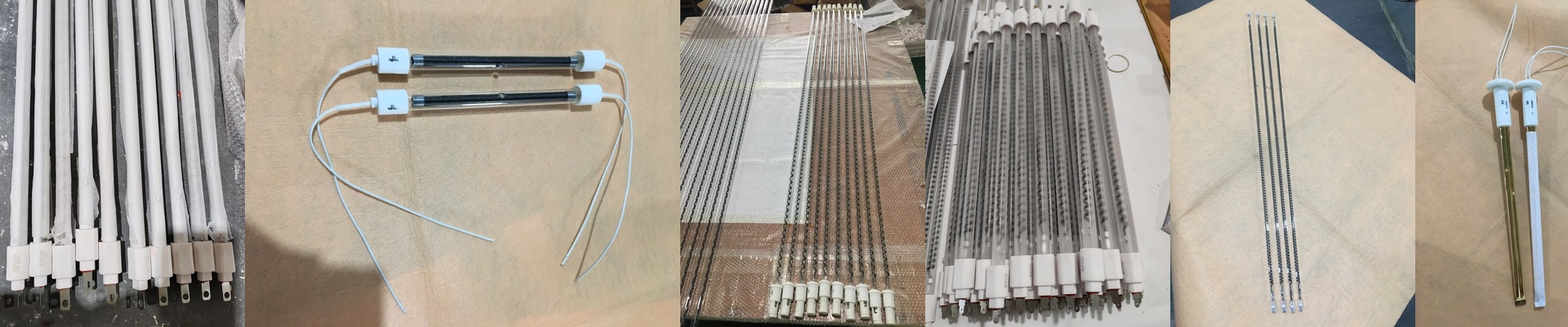
Here’s the heart of it: a halogen infrared element paired with a carbon fiber body. That combo gives you serious wattage in a surprisingly small package. A typical unit runs at 2500W and 400V, packing a lot of heat into just a 300mm length. That compact size is a real advantage. You can zero in on one specific spot on a moving part, without heating the entire machine. And that 400V? It’s a smart choice. It keeps the current low, which means you can use smaller wiring, lose less energy to heat in the wires, and keep your control panel from turning into an oven. The 300mm length is short enough to squeeze into tight spots, but still creates a nice, even hot zone when it’s positioned right.
Why Carbon Fiber and Halogen?
We chose a halogen infrared element inside a quartz envelope because it gives off a shortwave output. That’s key—it penetrates the coating fast. The carbon fiber structure around it adds stiffness and creates a stable platform for heat. It also stands up to sudden temperature swings, so it can cycle on and off quickly without cracking. The lamp uses an R7s connector. It’s a standard, tough two-pin setup that makes mounting simple. That means it’s a straightforward, drop-in replacement for the fixtures you already have. And the halogen cycle keeps the filament stable, so the output stays consistent over the lamp’s life.
Real-World Results on the Production Floor
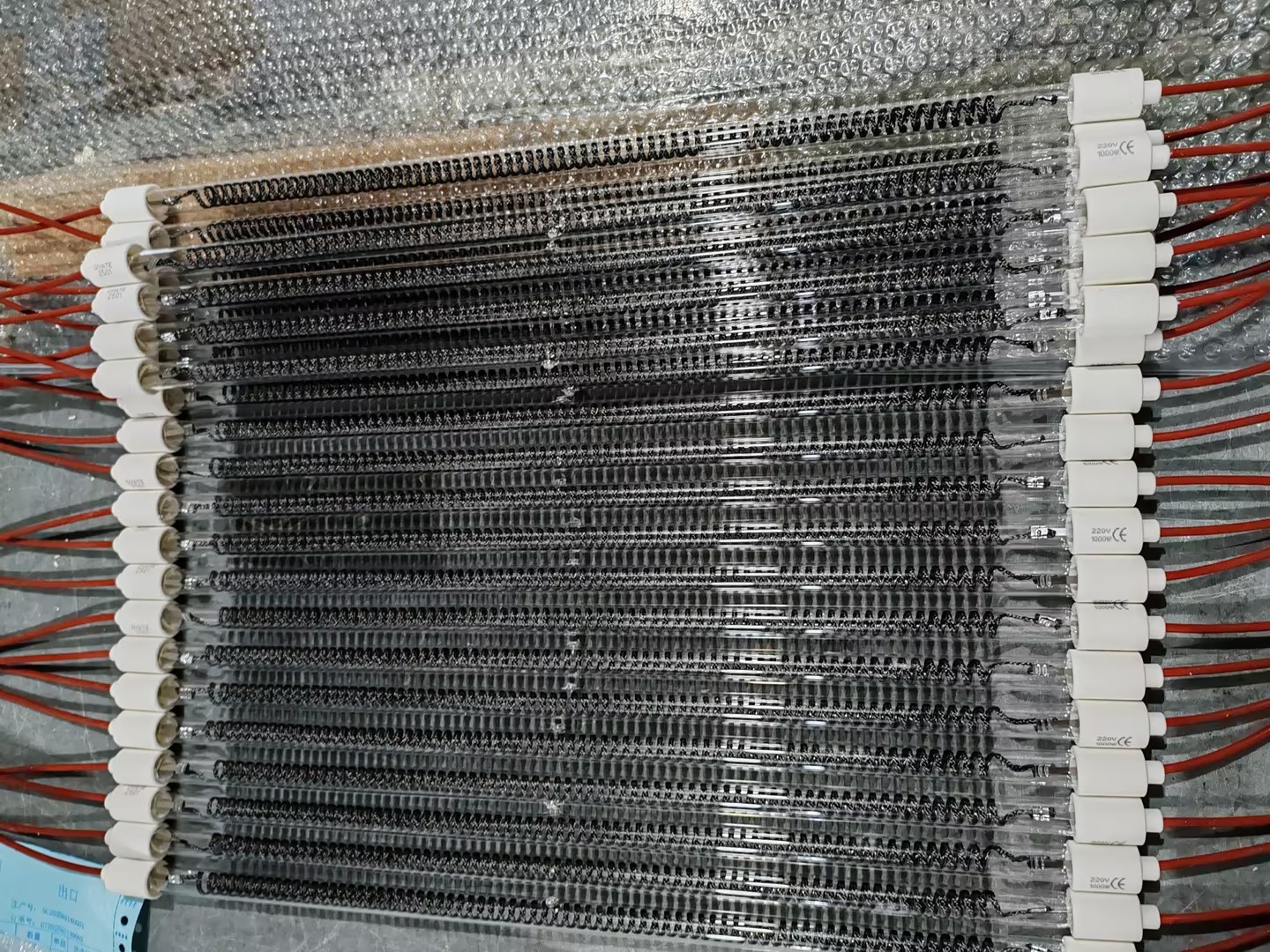
On a paint line, you want the heat to hit the paint—and only the paint. The shortwave infrared does exactly that. It lands on the surface and gets absorbed efficiently, driving that crosslinking reaction. That means you can loosen up your line speed constraints and cure at lower oven temperatures, which cuts down on energy use. But here’s the thing—that kind of power comes in a small space. A 2500W lamp in a 300mm package runs hot, so you need to manage the surroundings. Keep the reflectors clean, make sure there’s airflow, and double-check that the substrate can handle the peak temperature. When it’s set up right, you get fast cure times, steady output, and a solution that’s easy to wire and easy to service on the production floor.