Getting Carbon Fibre Heating Right for Heavy Loads
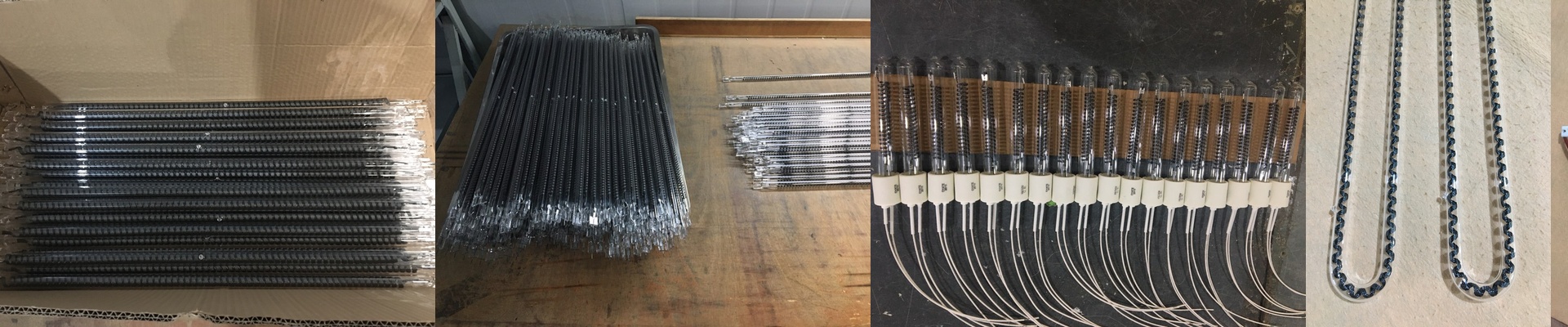
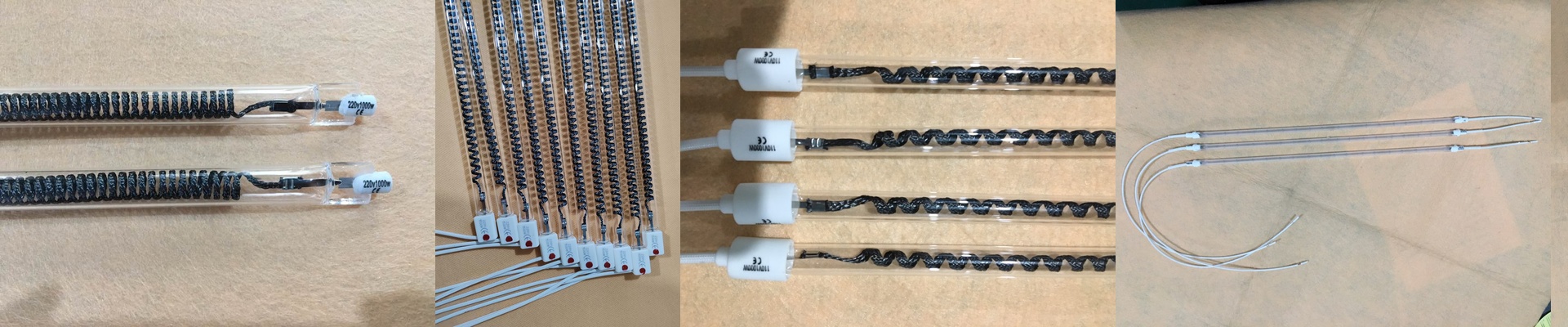
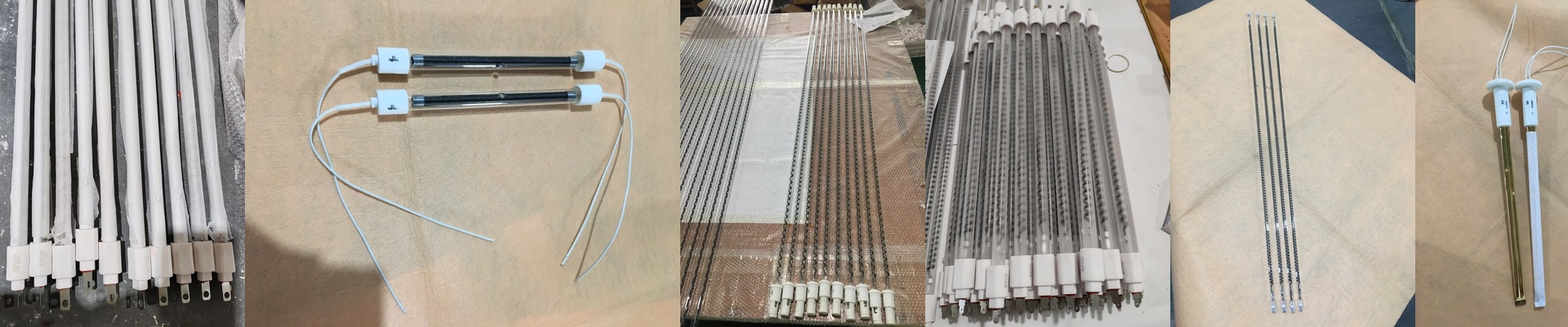
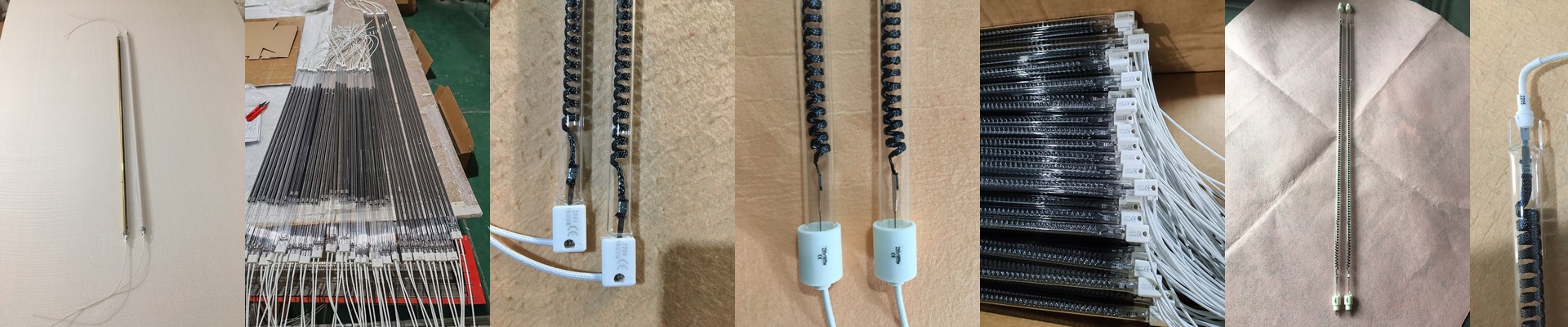
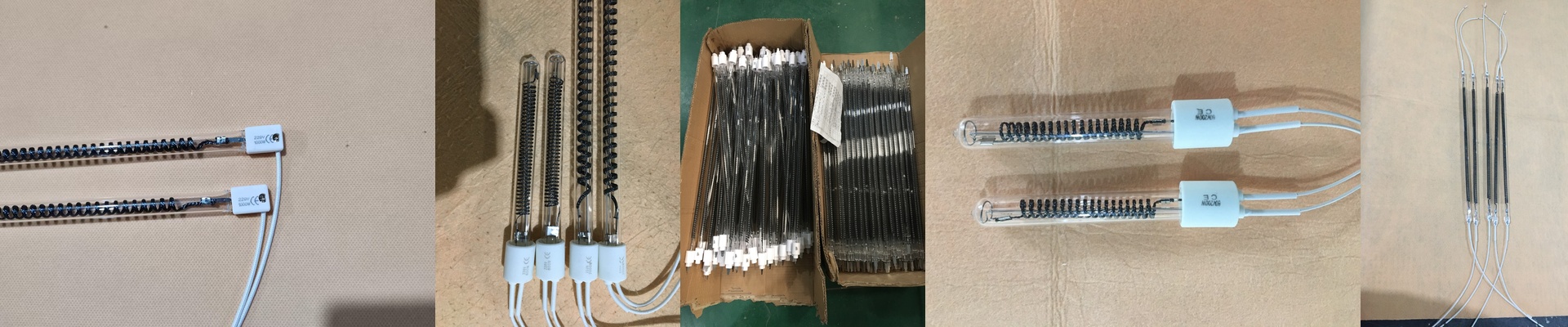
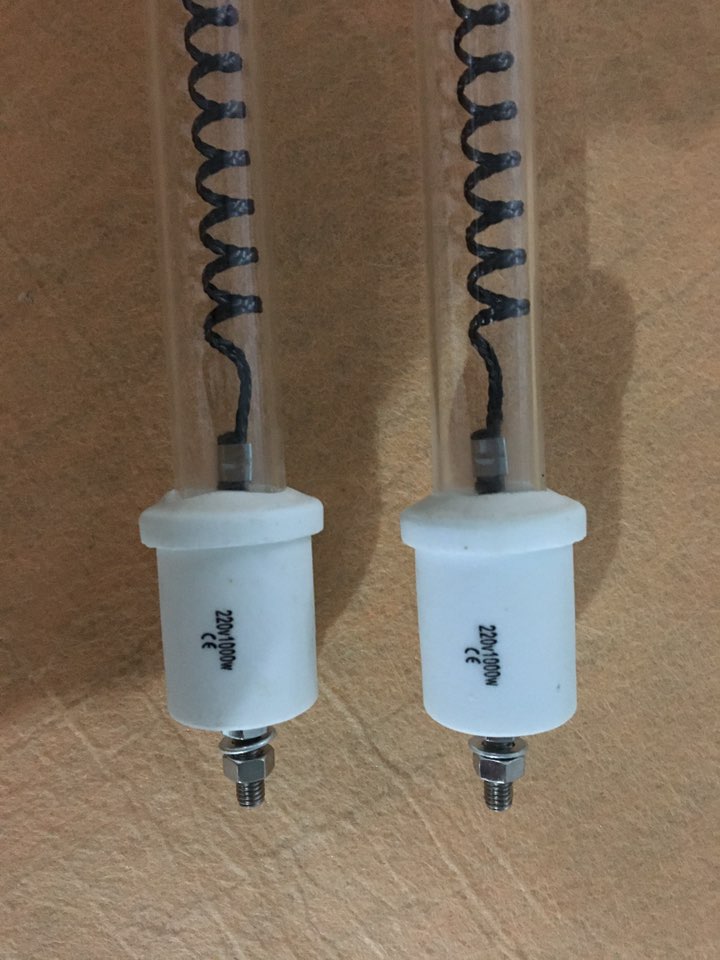
Here is the basic deal with carbon fibre heating: you run a current through these filaments, and they pump out long-wave infrared radiation. The best part? You don’t get those annoying hot spots you find with old-school metallic coils. The heat just spreads evenly across the whole thing. It’s a much smoother experience. The Nitty-Gritty on Power When we’re figuring out the specs, it all comes down to your voltage and how much watt density you actually need. If you’re doing things like PET blowing or shrink wrapping, you need a high-wattage setup so you can hit your target temperature fast. But be careful here. You’ve got to match the voltage to your power supply perfectly. If you try to force too many amps through a low-voltage element, you’re just going to fry the filament. It’s that simple. What’s Actually Inside? We stick with carbon fibre because it doesn’t freak out when it gets hot. Unlike nichrome, it handles thermal expansion without breaking a sweat. To keep everything from oxidizing, we wrap the filament in quartz or ceramic. Then there’s the wiring. Whether you use a standard R7s or a custom pin, just make sure that connection is tight. A loose fit leads to arcing, and nobody wants sparks flying around their machine. The Reality of Using Them These things react way faster than ceramic heaters. In a lot of cases, you can just swap out your old halogen tubes for these and you’re good to go. But here’s the thing: because they pack so much heat into a small space, you can’t ignore your cooling. If your airflow is weak, the heat will just soak back into the housing and kill your sensors. My advice? Use a PID controller. It stops the temperature from overshooting and keeps the filament from taking a beating every time the heat cycles. It’s the best way to make sure your gear actually lasts.