Better IR Heating for the Little Guys
Let’s be honest: high-end infrared heating usually comes with a price tag that only the massive corporations can stomach. It’s frustrating. If you’re running a medium-sized electronics shop, you still need that same pinpoint thermal precision, but you don’t have a bloated corporate budget to throw at a big-name brand. That’s why we build our lamps. We wanted to get the “big brand” performance into the hands of people who actually do the work, without the markup.
Getting the Heat Right
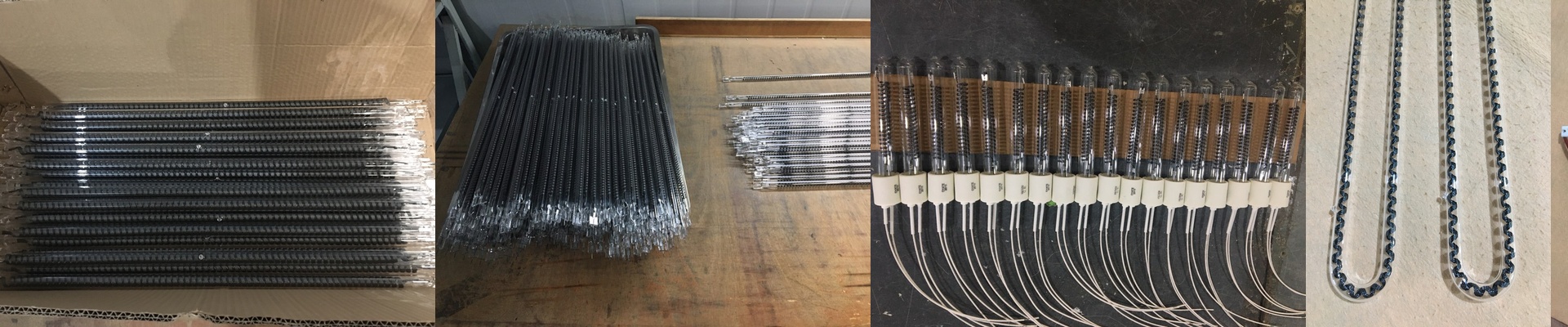
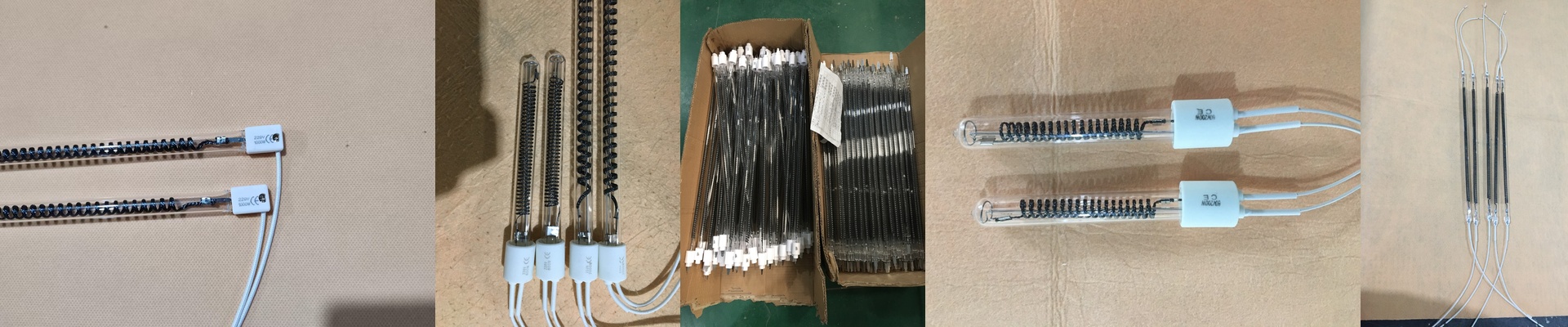
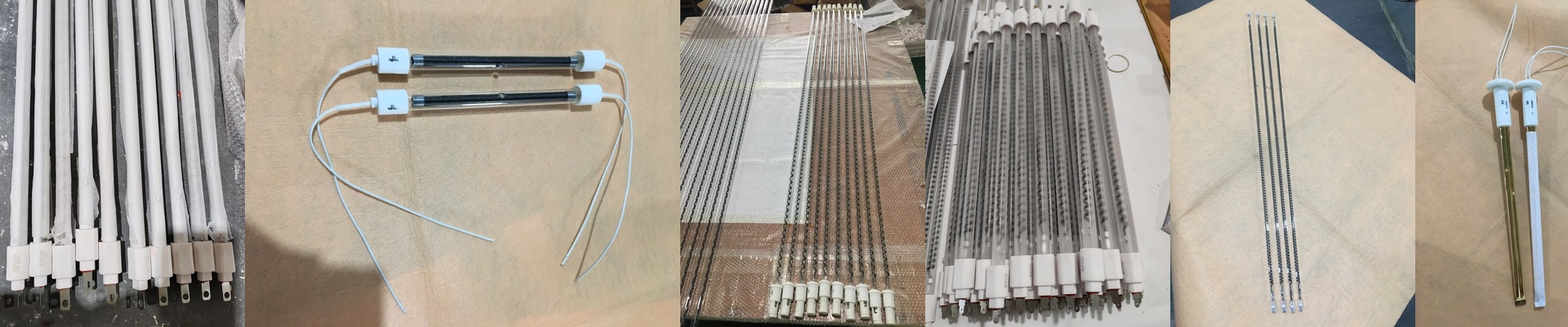
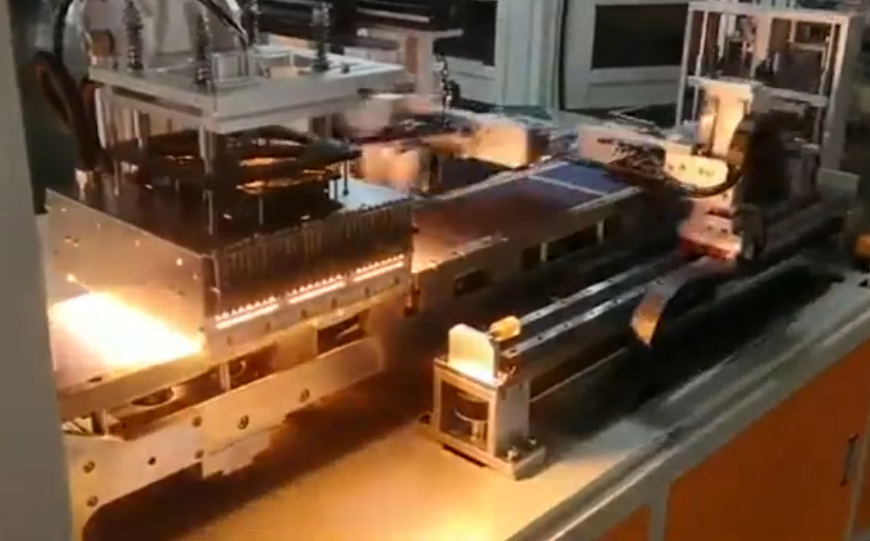
When you’re working with PCBs, you’re playing a dangerous game. Heat them too slowly or unevenly, and you’ve got warped boards and fried components. We lean heavily on short-wave IR emitters. Instead of just warming up the air around the part—which is a waste of time—these lamps punch right through to the substrate. The energy goes exactly where it needs to be. If you’re looking at your line and wondering about specs, keep an eye on the wattage-to-length ratio. That’s where your heat density comes from. By packing high wattage into a small footprint, you can speed up your throughput. It’s simple: more heat in less space means you get your product out the door faster.
The Stuff it’s Made Of
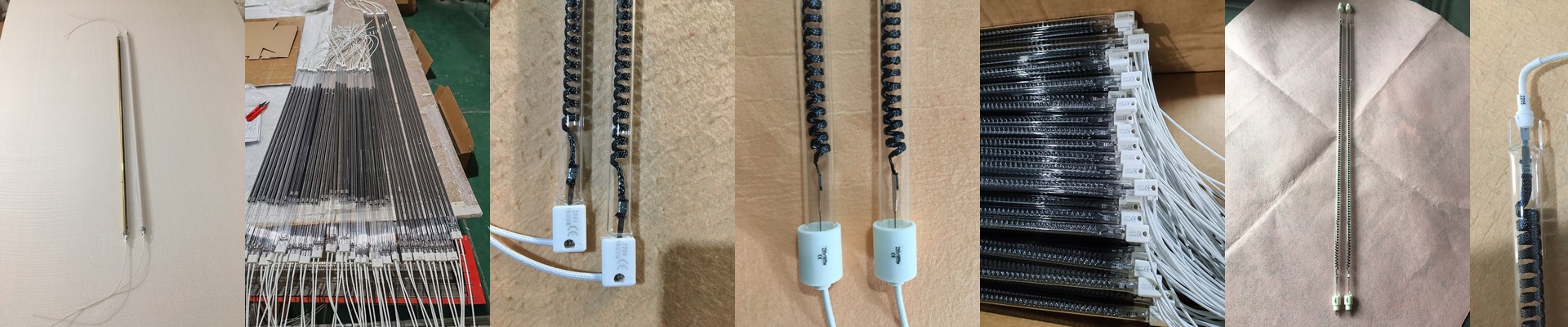
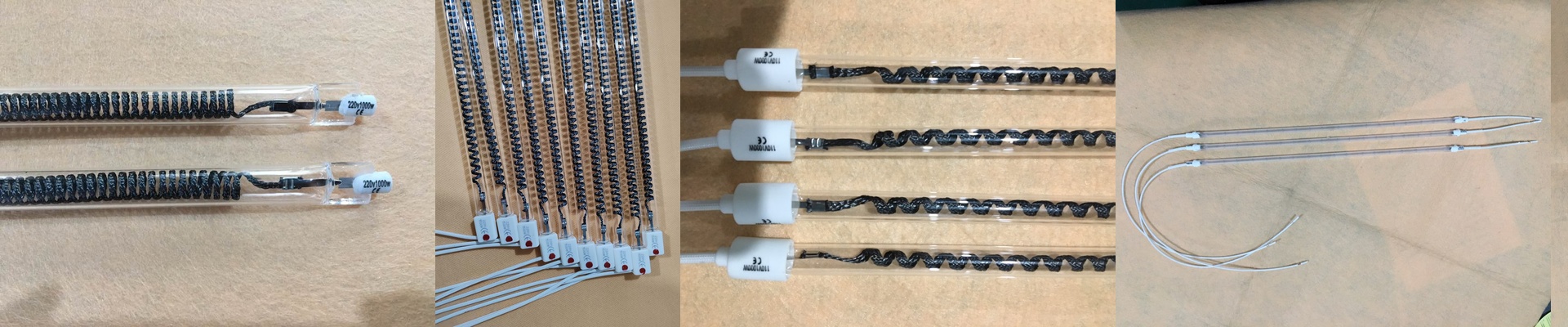
We don’t cut corners on the build. We use high-purity quartz glass and tungsten filaments because we know these things get hammered in a heavy duty cycle. There’s nothing worse than a lamp burning out right in the middle of a big run. We also tweak our coatings. Depending on whether you’re curing or drying, we can tune the emission spectrum to fit your specific job. And we kept the connectors standard. No proprietary nonsense. Whether you’re building a custom rig from scratch or just swapping out an old bulb, our lamps slide right into your existing sockets. No need to rip out your electrical wiring just to upgrade your heat.
The Reality Check
Now, here is the catch. High-density IR lamps are thirsty. They put a serious load on your power supply. If you crank up the wattage to push your line speed, you’ve got to make sure your electrical panels can handle that surge. Then there’s the “heat soak.” If you don’t have decent ventilation, all that ambient heat starts drifting. It can mess with your sensors or kill your components prematurely. We provide the muscle—the hardware. You handle the airflow. Get those two things in sync, and you’ll keep your costs down while your quality stays top-notch.