Keeping Your Lamps from Burning Out During Rapid Pulse Heating
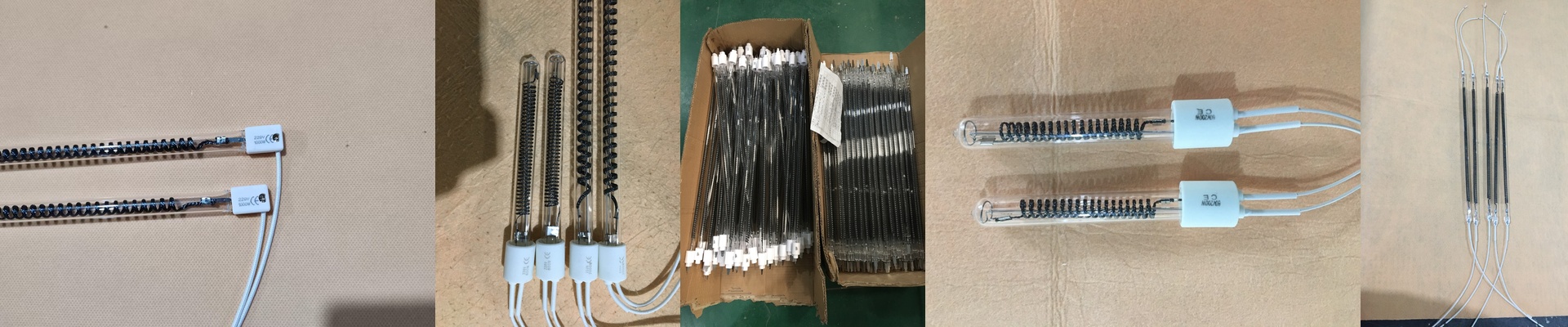
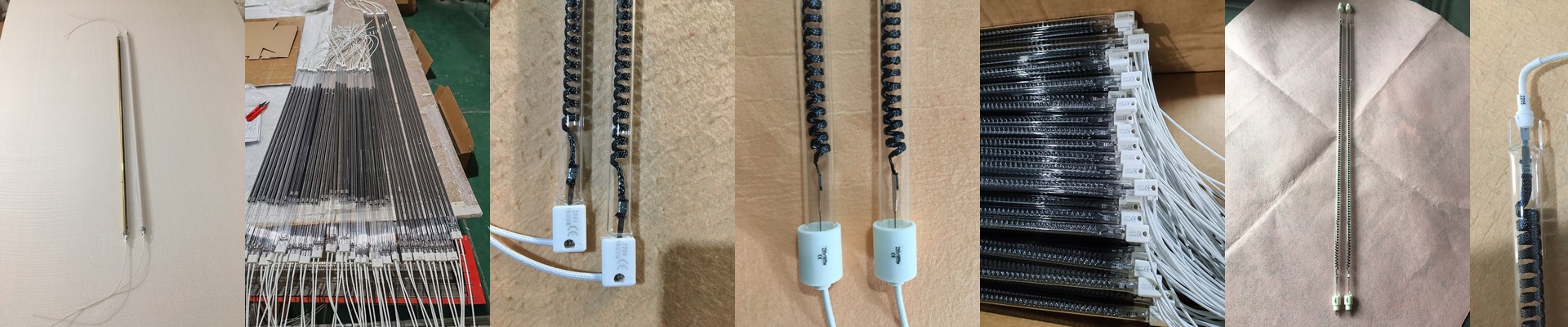
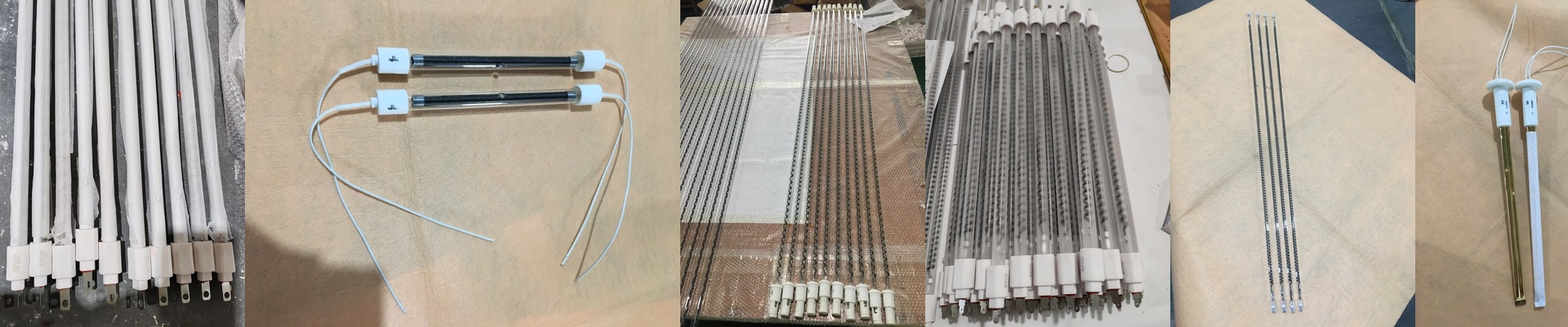
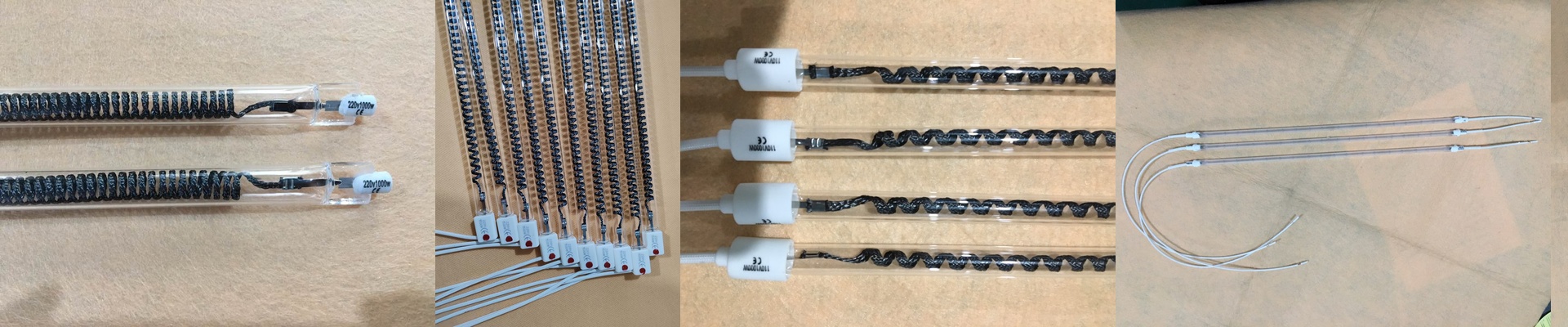
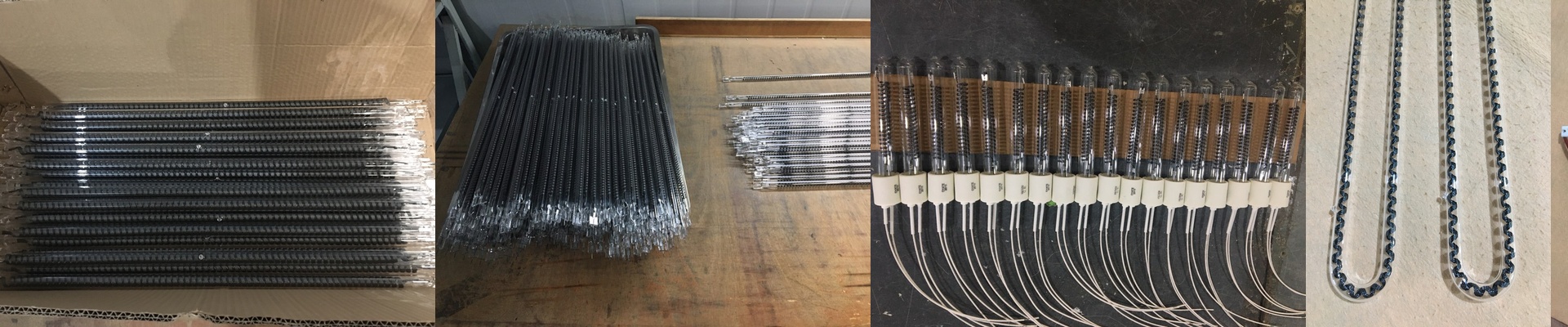
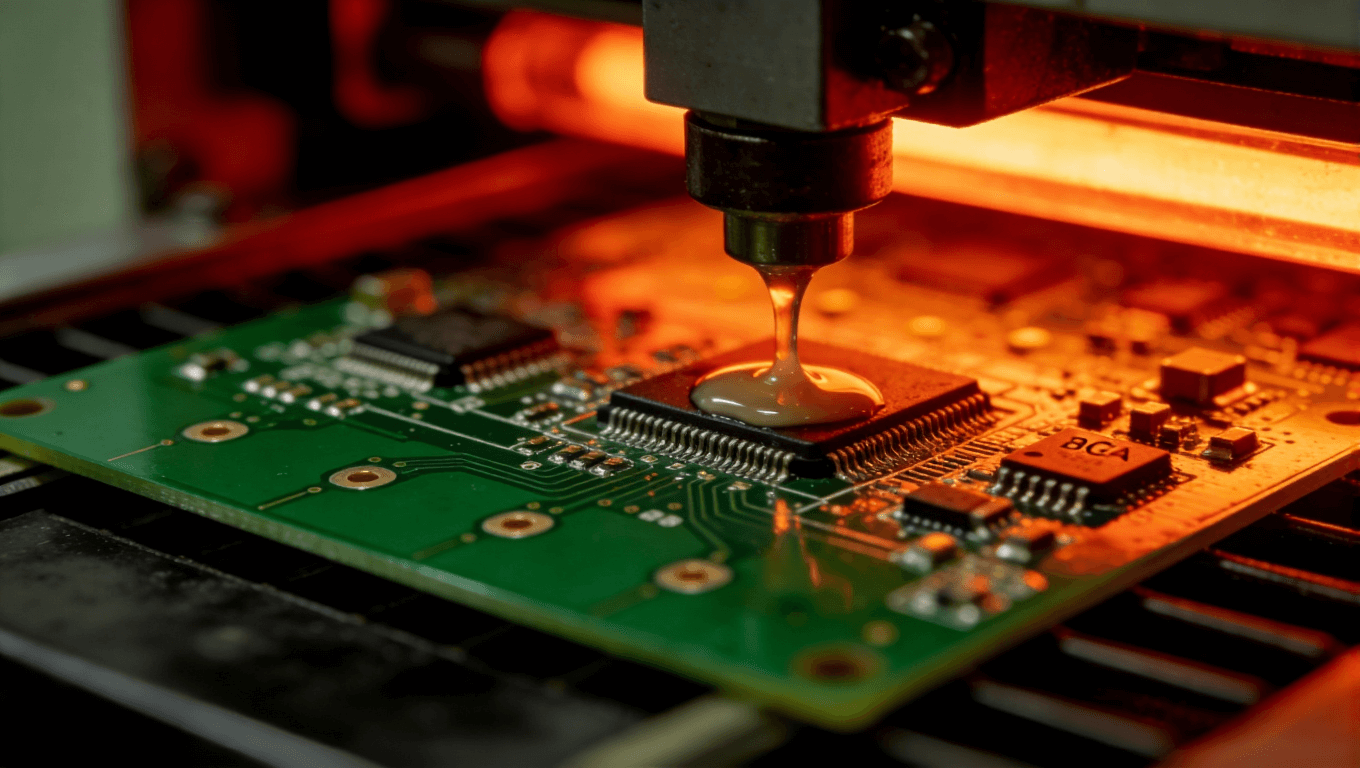
If you’re doing smart lock repairs with rapid pulse heating, you know the deal: your lamps take a beating. When you flip an infrared lamp on and off thousands of times, the filament doesn’t just get hot—it physically reacts. It expands and contracts violently. Most standard lamps just can’t handle that kind of stress. The filament starts to sag or drift, hits the tube wall, and pop. There goes your production line. The battle against “the sag” We spent a lot of time figuring out how to stop that deformation. It comes down to basic physics: rapid heating creates mechanical stress. If the support isn’t built for those constant vibrations, the tungsten filament loses its tension. To fix this, we used a reinforced support geometry. Think of it as a heavy-duty anchor. It keeps the filament locked dead-center, even after tens of thousands of pulses. No more sagging, no more random burnouts. Why a fraction of a millimeter matters During our testing, we looked closely at how much the filament moves when it’s flashing rapidly. Here’s the thing: if that filament shifts even a tiny bit, your heat distribution changes. Your focal point moves. By locking everything in place, you get a consistent heat map across the repair area every single time. It just works. The honest trade-off Now, there is a catch. To get this kind of durability, we had to make the support assembly stiffer. Because it’s more rigid, the lamp takes a few milliseconds longer to hit peak temperature than a loose, unsupported filament would. You’re trading a tiny bit of ramp-up time for a lamp that won’t warp under pressure. If your cycle times are measured in microseconds, you’ll just need to tweak your pulse width to make up for it. We built these for automated repair cells where stopping to replace a lamp is a nightmare. Just wire it up to your high-frequency controller and let the support structure handle the heavy lifting.