Stop Guessing Where Your Heating Lamps Go
Ever spent a whole afternoon drilling holes into an oven chassis, only to find out your boards have cold spots? It’s frustrating. You end up moving lamps, re-drilling, and wasting a ton of shop time just to get the curing even. We’ve found a better way to handle this. Instead of guessing, we use digital twins to map out the layout before a single piece of metal is cut.
The Messy Reality of Heat
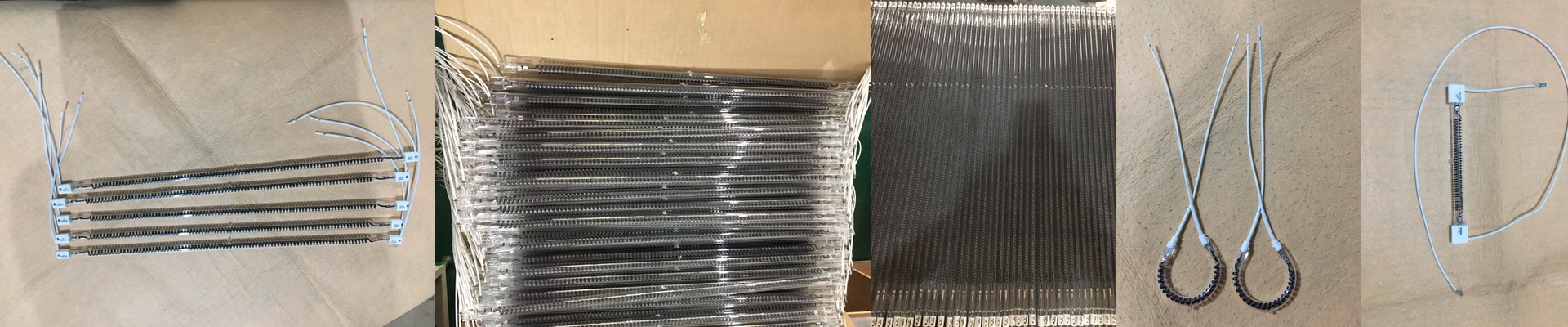
Heat doesn’t just move in a straight line. It’s messy. You’ve got radiation patterns overlapping and fighting each other, which is how you end up with those annoying “dead zones” where the temperature just dips too low. Instead of relying on a “gut feeling” for spacing, we use simulation software to track the infrared flux across the belt. We run algorithms that test hundreds of different lamp positions in seconds. The goal is simple: a flat thermal profile across the entire width of your product. No surprises.
Why “Trial and Error” is a Trap
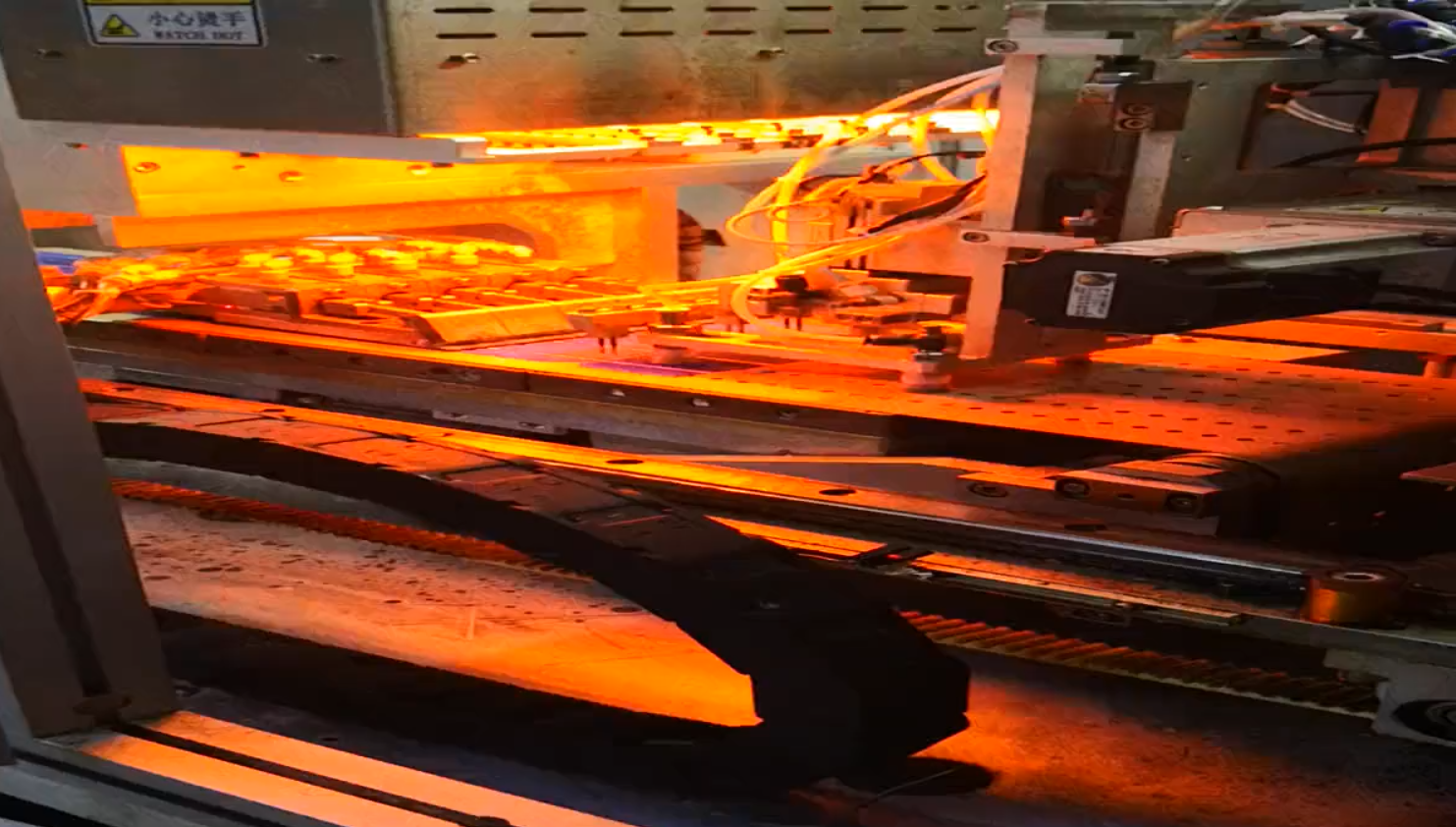
The old-school way is a slog. You build the oven, run a thermal probe, find a cold spot, move the lamps, and repeat. It’s a slow, expensive loop. A digital twin changes that. It’s basically a virtual clone of your oven’s internals. We plug in the lamp wattage, the angle of the reflectors, and how fast the belt is moving. If the center of the board is scorching while the edges are barely warm, we just tweak the lamp tilt or the distance in the software. It takes a few clicks rather than a few hours of manual labor.
Keeping it Real
Now, let’s be honest: simulation isn’t magic. It gets you about 95% of the way there. In the real world, things happen. Reflectors get a bit of oxidation, or you hit a slight voltage drop in your wiring. Because of that, you still need to run a physical thermal mapper once the build is done to dial everything in. Also, keep an eye on your airflow. Packing lamps in tight increases your throughput, but it also turns the oven into a furnace. Make sure your exhaust fans can actually handle the extra heat load, or you’ll run into a different kind of problem.