Introduction
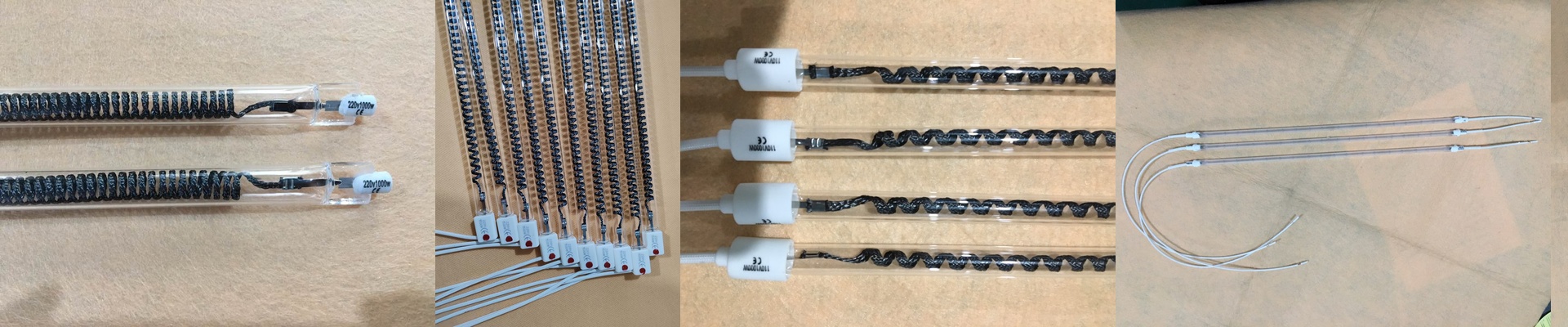
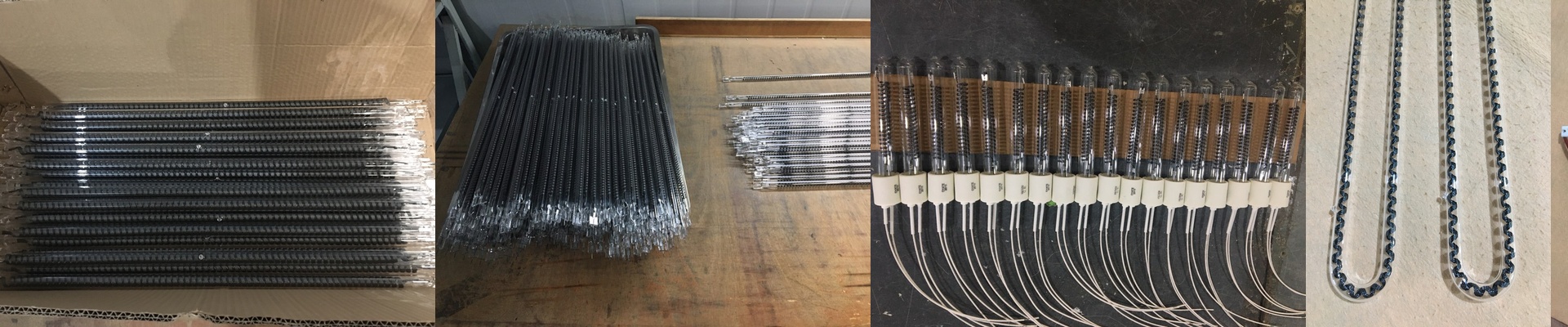
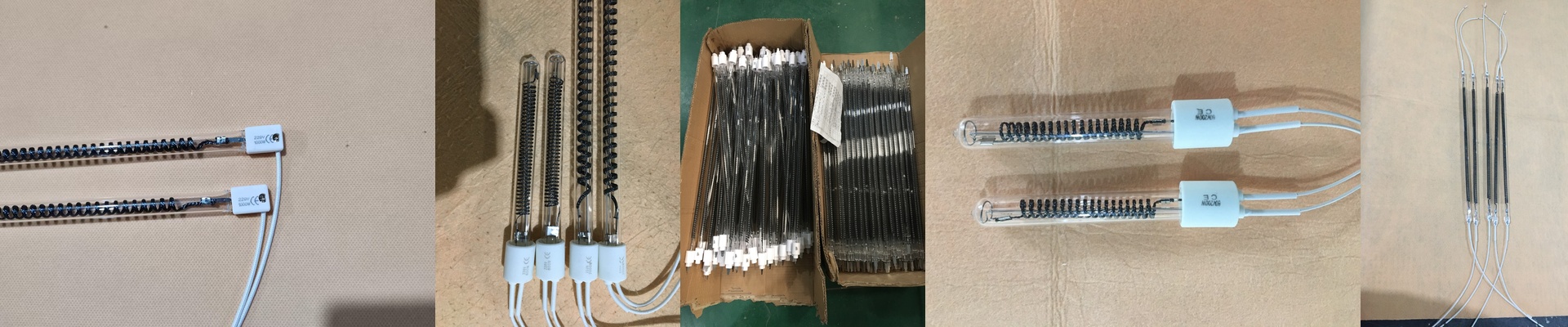
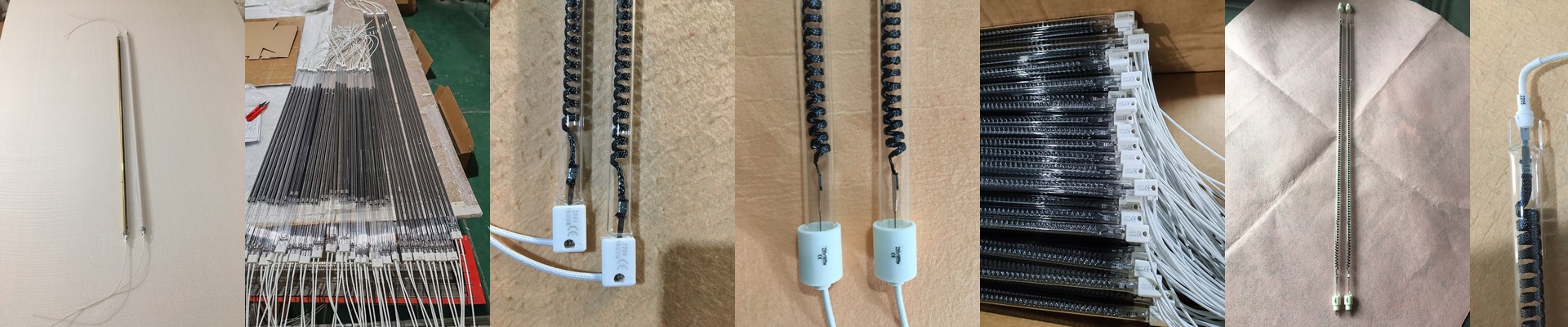
We built this 1000W carbon fiber heat lamp oven for engineers who need serious heat in a small space. The kind of heater you can drop straight into a machine without having to redesign the whole line. At the heart of it is a 1000W halogen lamp, set up on a dedicated voltage. It was engineered to throw out fast, steady radiant heat—right where you need it.
Let’s get into the details
The 1000W rating hits a sweet spot for industrial ovens and focused heating zones. It gives you enough muscle to get to the setpoint fast, but it’s still a manageable wattage for standard electrical setups. The lamp runs on a specific high-voltage supply, which keeps the current lower for the power you’re getting. That means smaller wiring, less voltage drop over distance, and less heat building up in the terminal block. And the length? It was cut to size for tight spots, so it slides into confined oven chambers without forcing you to rework the enclosure.
What it’s made of
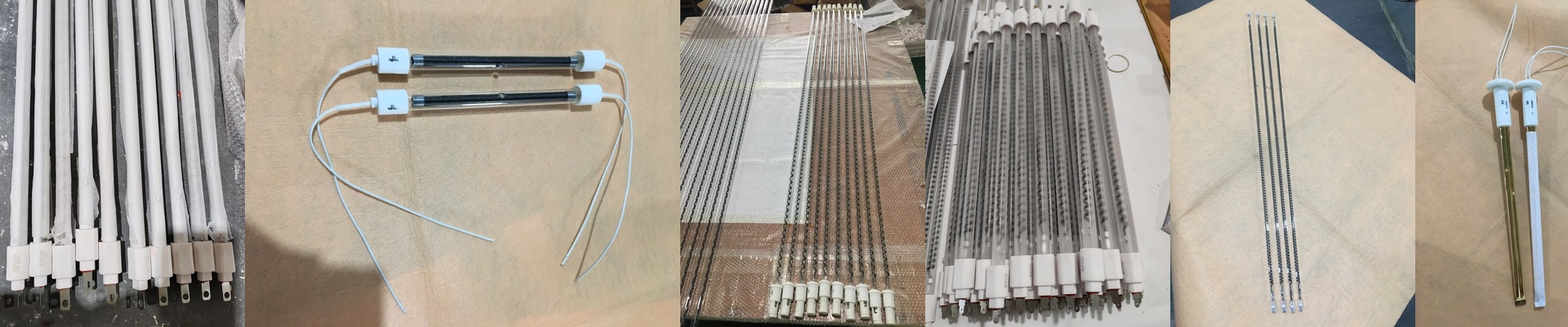
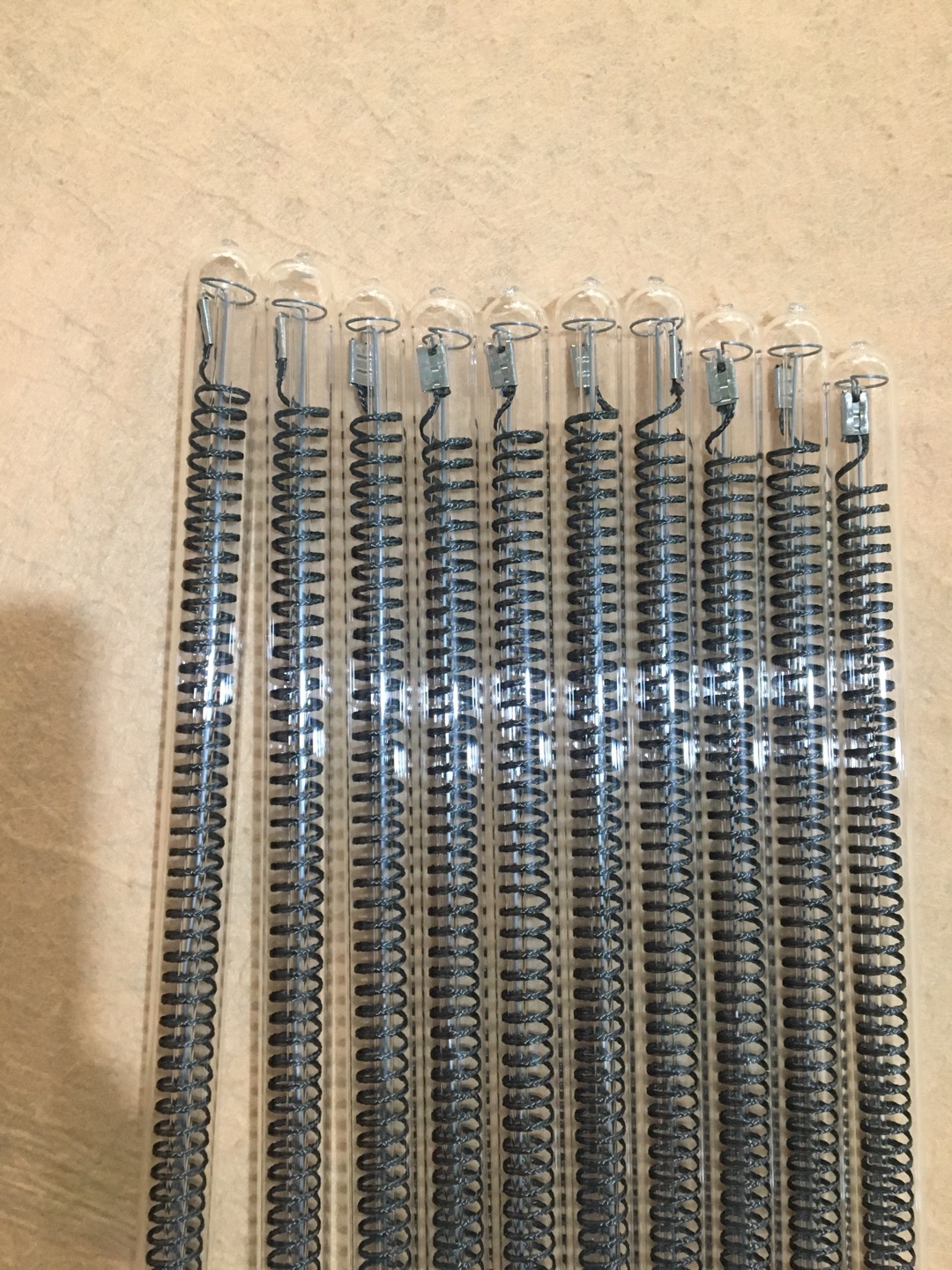
We paired carbon fiber heating elements with a halogen capsule to keep the output consistent as the lamp ages. The halogen cycle fights off the filament blackening you see in standard infrared lamps, so you don’t get that performance drop-off over time. The quartz envelope is built for rapid thermal cycling and can handle the shock of start-stop operation without cracking under pressure. The coating on the lamp is there to shape the spectral output and control reflectivity, pushing more energy toward the target instead of wasting it as stray radiation. And the R7s base isn’t just convenient—it’s a rigid, two-point connection that keeps everything aligned in a vibrating machine and eases the stress at the joint where heat can concentrate.
Where it shines
This setup is for the moments you need fast heat-up, precise zone control, and a small footprint—think oven retrofits, drying tunnels, and heating fixtures. You get 1000W of output, high-voltage operation, and a compact form factor, so you can pack a lot of heat into a tight space. Just one thing to keep in mind: that high heat density needs proper airflow and thermal management around the lamp. If the chamber runs hot, plan your cooling capacity so the lamp and the surrounding components stay within their temperature limits.