Stop Cranking the Heat: Why Your Glue Isn’t Curing
If you’re repairing smartwatches and struggling with electronic adhesives, you might be tempted to just buy a more powerful lamp. But here’s the thing: total wattage isn’t actually what matters. It’s all about the “spectral overlap.” Think of it like a lock and a key. If the infrared (IR) light coming off your lamp doesn’t match the specific “flavor” of light the glue is designed to absorb, the energy just bounces off the surface. Or worse, it sinks into the watch chassis, heating up everything except the glue.
The Secret to Faster Curing
Most of these adhesives are picky. They only react to specific IR wavelengths. We look at the absorption spectrum—basically the glue’s “Efficiency Eye”—to figure out if you need short-wave, medium-wave, or long-wave IR. Short-wave reaches deep into the material. Longer waves just warm up the surface. If you’re using a generic heating lamp, you’re probably fighting a losing battle. But when you match the lamp’s peak to the glue’s peak? The molecules start vibrating way faster. **It’s a night-and-day difference.**You can go from waiting minutes to waiting seconds.
Don’t Bake Your Components
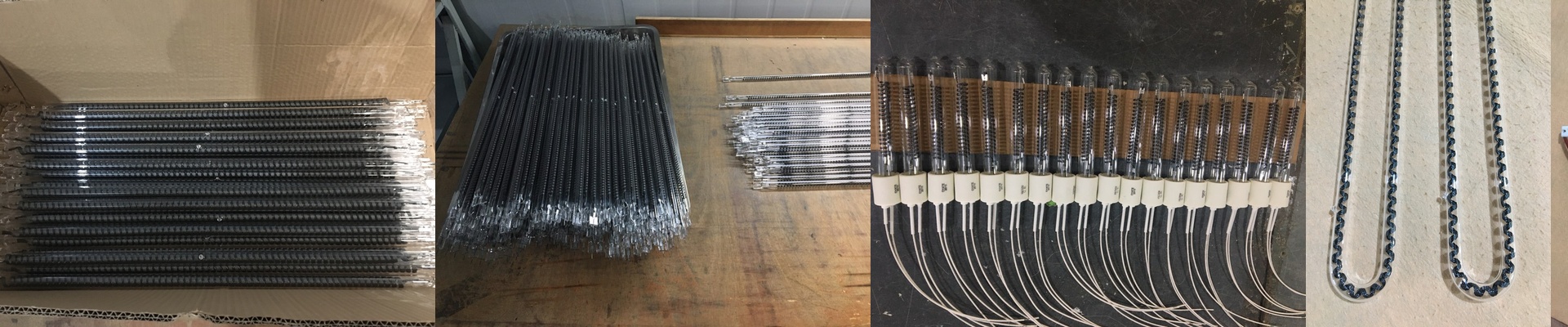
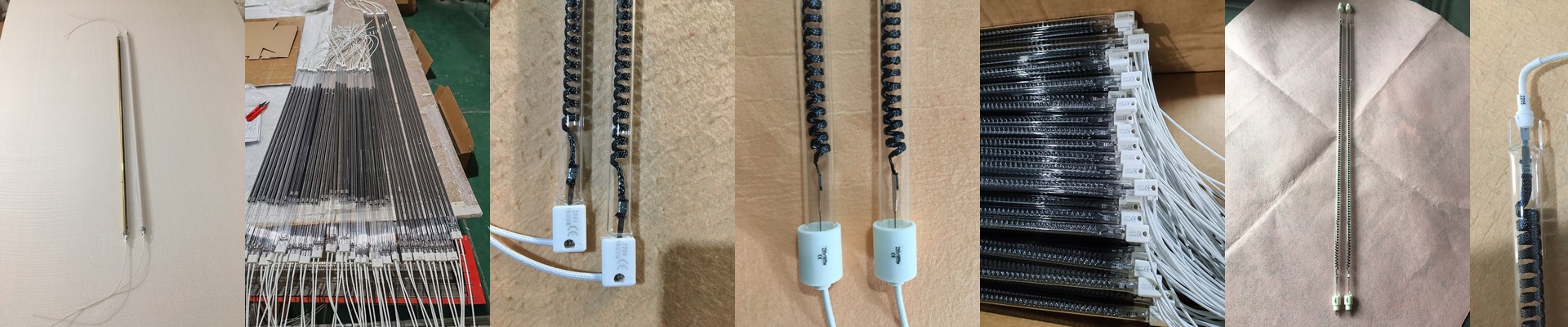
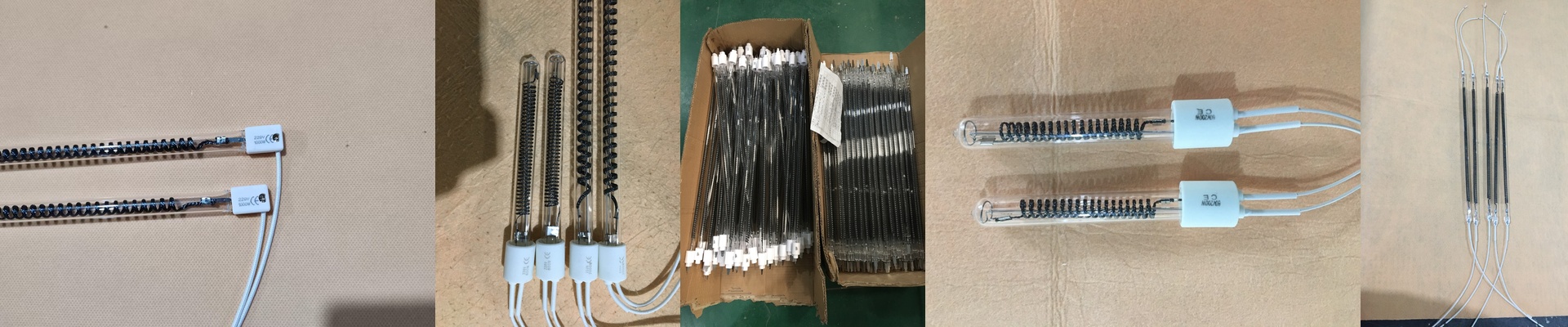
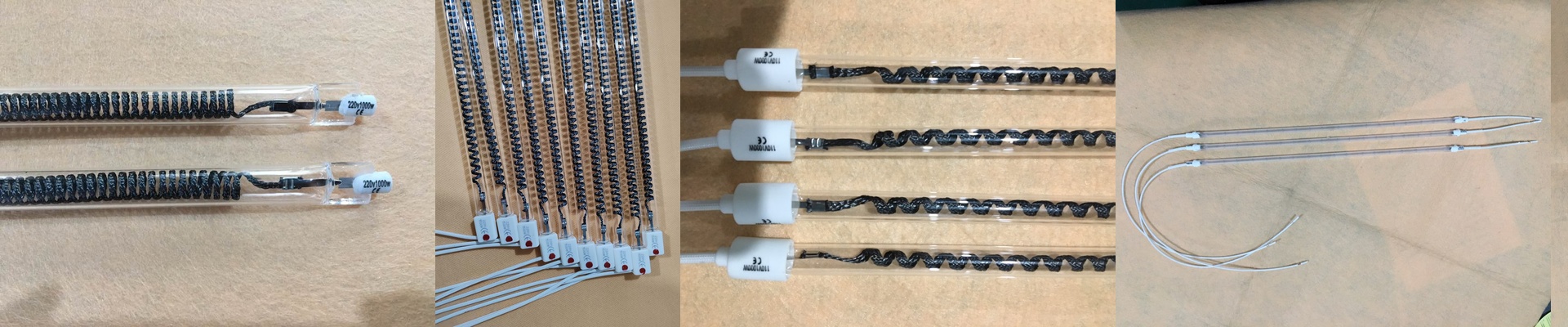
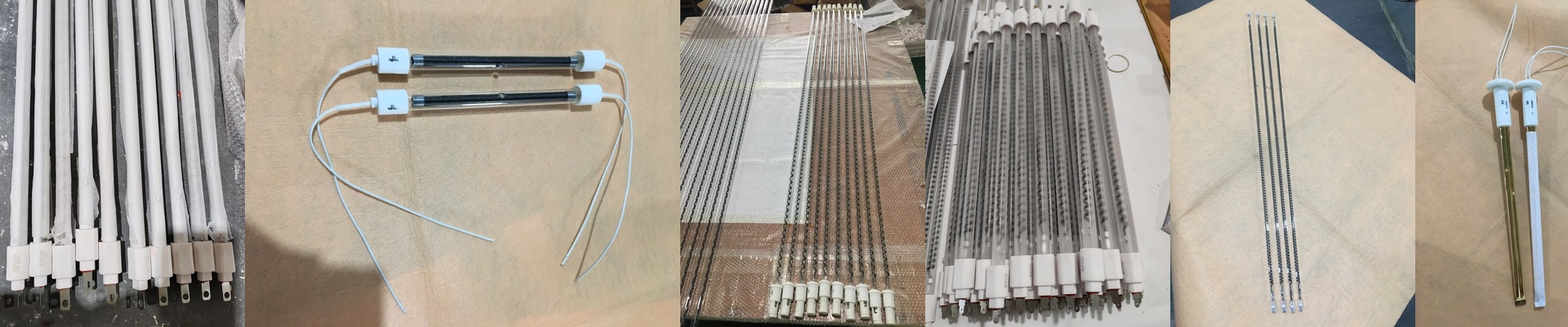
Now, you can’t just blast the watch with high-intensity IR. If you do, you’re playing a dangerous game with the OLED screen and the battery. One wrong move and you’ve fried the very device you’re trying to fix. To stop this from happening, we use special coatings on the quartz tubes. This narrows the beam of light, focusing the energy right on the glue and leaving the surrounding parts cool and safe.
Getting the Setup Right
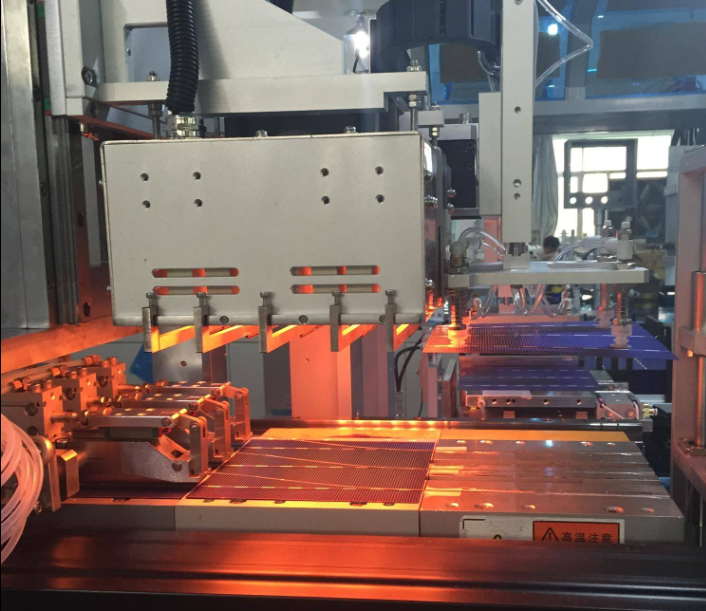
If your current process feels sluggish, don’t just keep cranking up the voltage. That’s usually not the bottleneck. Check your distance first. If the lamp is too close, you’ll scorch the adhesive before it even has a chance to cure. You want a calibrated distance so the heat hits the watch face evenly. Check your wavelength match. That’s where the real magic happens.