What’s really going on under the hood: power, voltage, and size
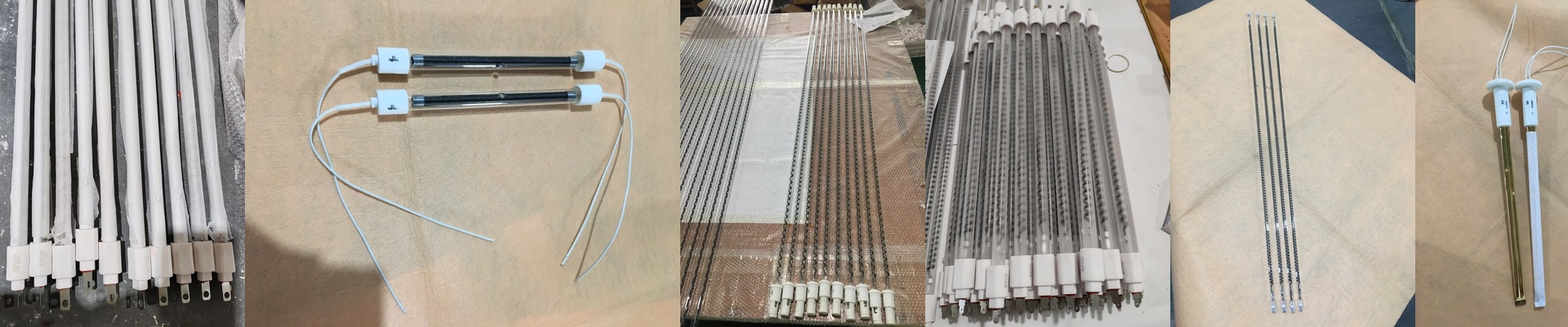
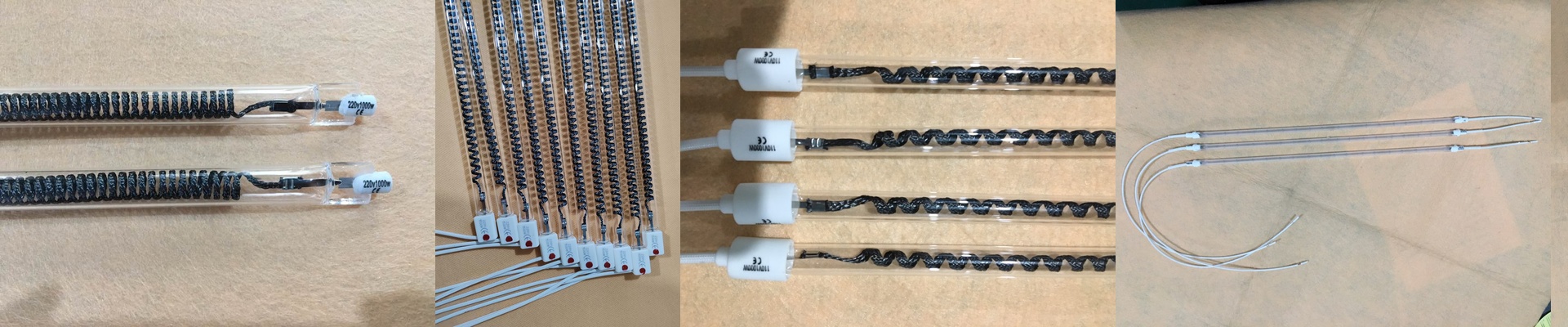
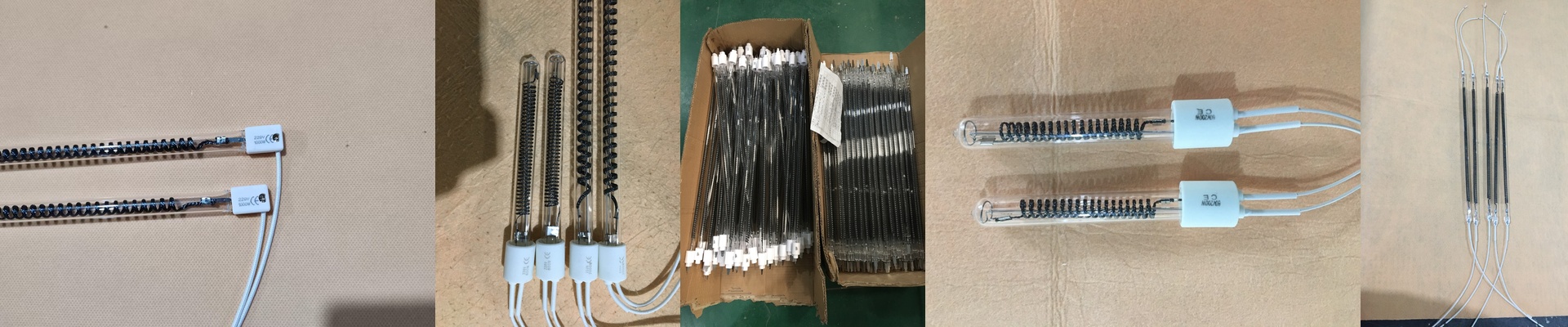
We built these quartz carbon infrared heaters to pack a serious punch into a small space. They run on 400V, so they play nice with standard industrial power. On a 300mm tube, you get 2500W of focused heat, right where you need it. And the 10mm diameter? That’s the sweet spot. It slips into tight reflector setups, but it’s tough enough to keep going, shift after shift.
The guts: how it’s made
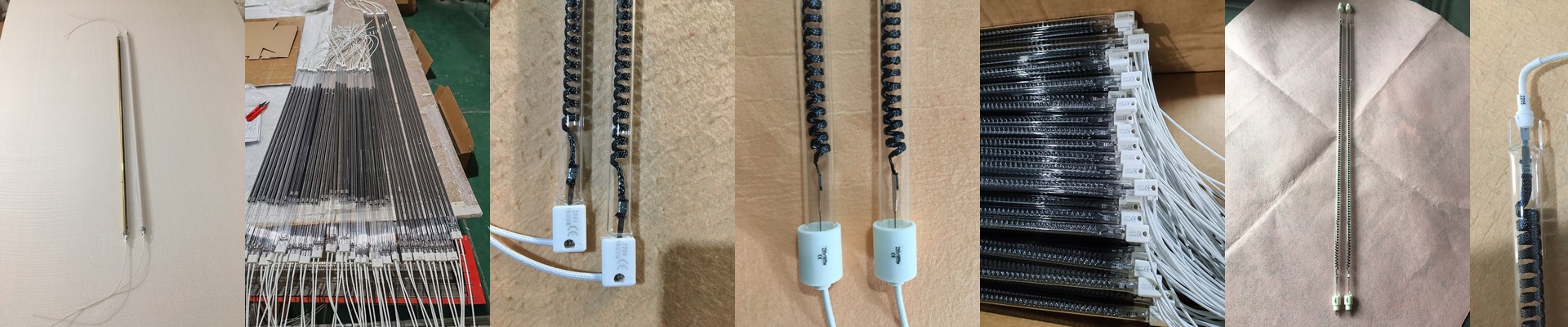
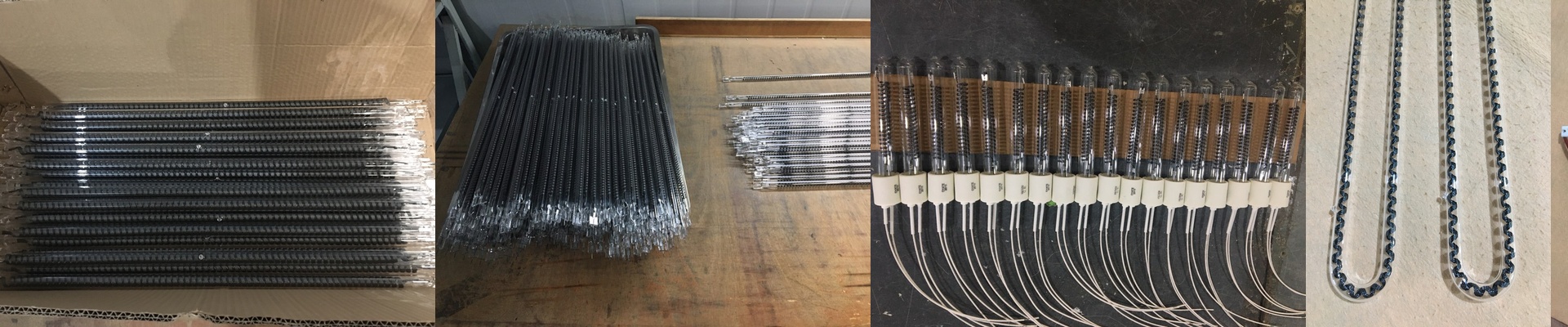
Inside the quartz envelope is a carbon filament—chosen because it wakes up fast and throws a broad infrared spectrum. That means it gets deep into coatings and plastics way better than standard nichrome elements. We fill it with halogen gas to keep the filament temperature steady. It fights off those hot-spot burn-outs, so the lifespan stretches out. Then there’s the gold coating on the quartz. It bounces infrared energy back toward the target, so you absorb more wattage and warm up faster.
The connection that stays put
The R7s connector is straightforward, industrial-grade, and built for real work. It handles high current, installs quickly, and locks in with a solid mechanical grip. Wire it once, and it stays put—even when things vibrate.
Where it shines—and what to keep in mind
These elements are made for jobs that demand quick, pinpoint heating: PET blowing, plastic welding, coating curing. The shortwave infrared profile climbs the temperature fast, which helps you speed up cycle times. Here’s the trade-off: high heat density means your machine needs cooling and shielding designed for the job. That keeps ambient heat in check and protects nearby parts. We designed this element to drop right in where standard 300mm R7s fixtures live. You get output you can count on, control that repeats, and reliability that holds up on the shop floor.