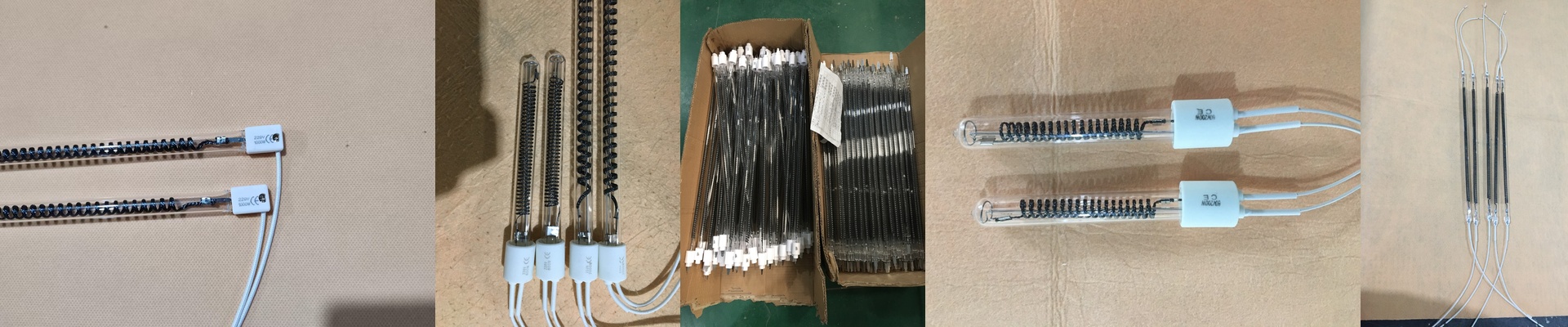
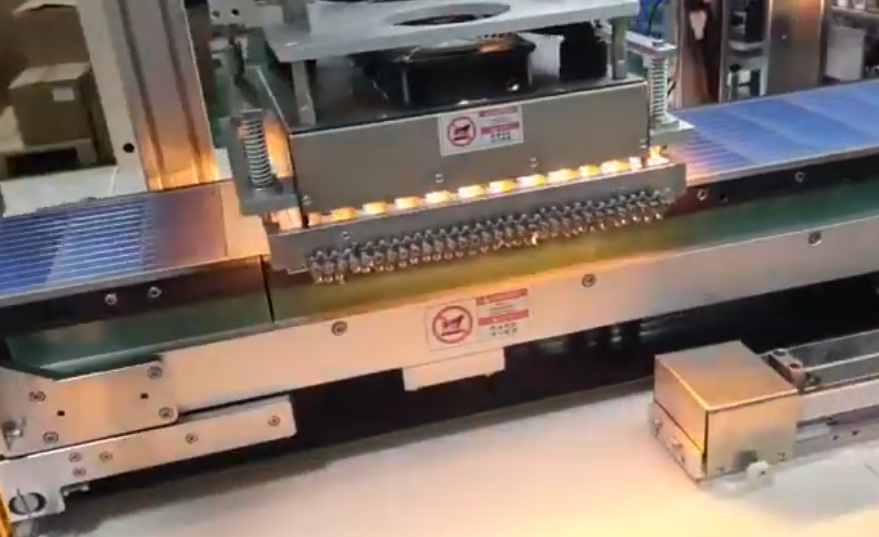
Dealing with Bracket Fatigue in Pulse-Heating PCB Stations
If you’re using IR lamps for PCB heating, you know the drill. Those lamps aren’t just “on”—they’re flashing thousands of times, hitting peak heat and then dropping off in a heartbeat. It’s a brutal cycle. The materials expand and shrink over and over. If your filament brackets aren’t up for the task, they’re going to warp. And once they bend, your heat distribution is shot. You end up with cold spots on your board, and suddenly your yield starts dipping.
Why the Brackets Give Out
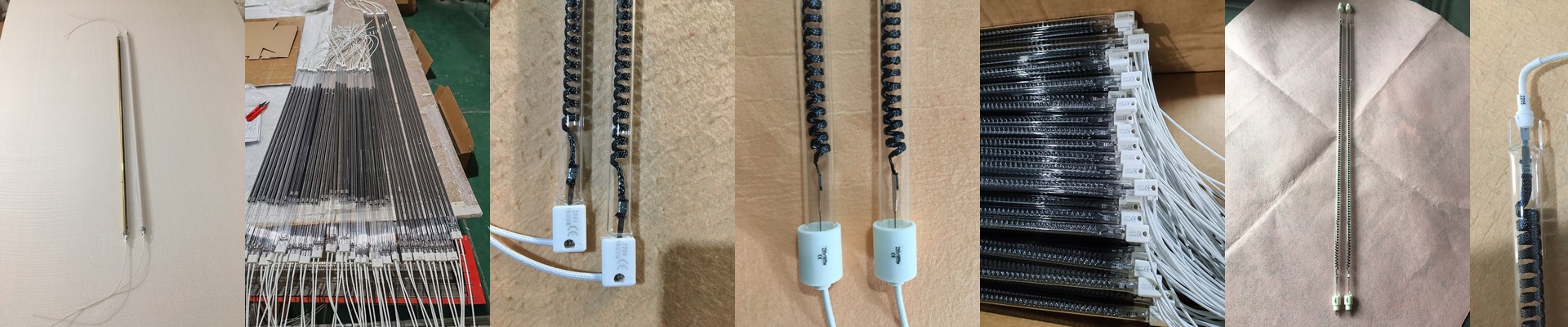
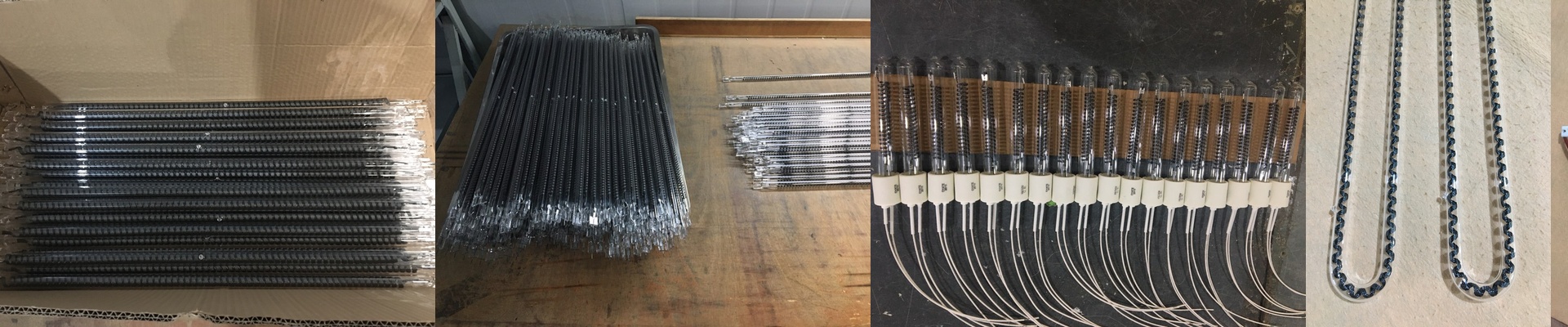
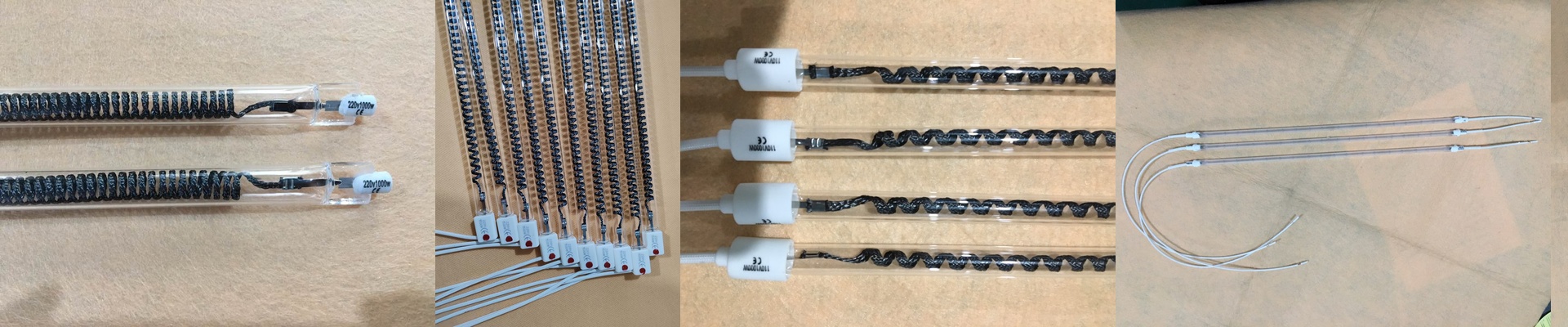
The real struggle here is making sure the bracket can take a beating without shifting an inch. In a rapid-pulse setup, the filament isn’t just heating the board; it’s actually putting physical stress on the supports. We’ve found that using specific alloys that “move” at the same rate as the quartz glass is the only way to go. If the metal expands faster than the glass, you’re just asking for a crack. We put these things through the wringer—thousands of cycles. A bracket might look perfect after ten flashes. But after ten thousand? It might start to sag. It sounds minor, but a shift of just 2mm changes the distance between the lamp and the PCB. That’s enough to throw off your surface temperature by several degrees, and that’s how you ruin a solder profile.
The Trade-offs
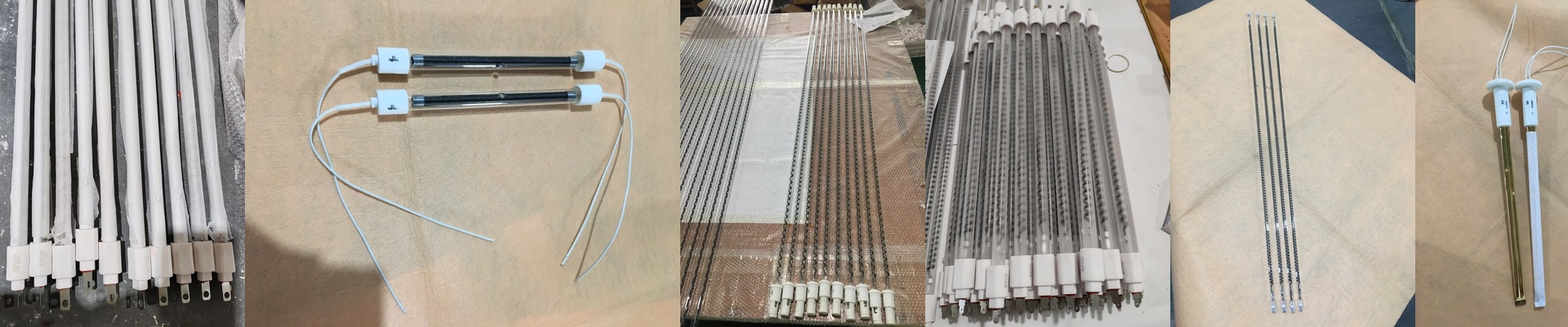
Here’s the thing: you can’t get that kind of durability for free. To stop the warping, we had to make the support structure much stiffer. That makes the whole assembly heavier. Just a heads-up—don’t try to slide these into a lightweight frame without double-checking if your chassis can actually hold the extra weight. Then there’s the tension. It’s a delicate balance. Too loose, and the lamp starts vibrating during high-speed runs. Too tight, and the thermal expansion will literally snap the filament. It’s all about finding that sweet spot. And a quick tip: running these lamps at a 100% duty cycle is actually easier on them. The real wear and tear happens during the flashing. Plus, make sure your cooling fans are actually doing their job. If they can’t pull the heat away from the brackets, the metal will eventually soften and lose its shape.