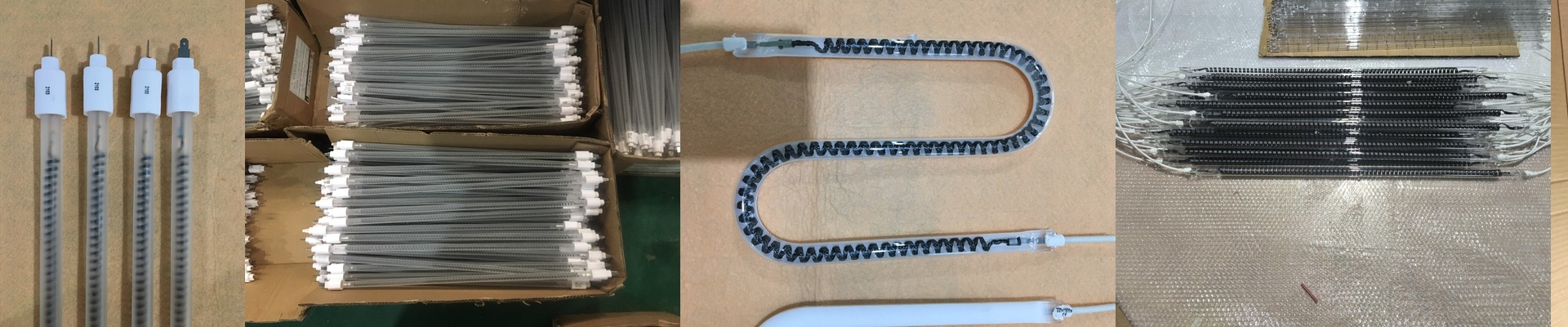
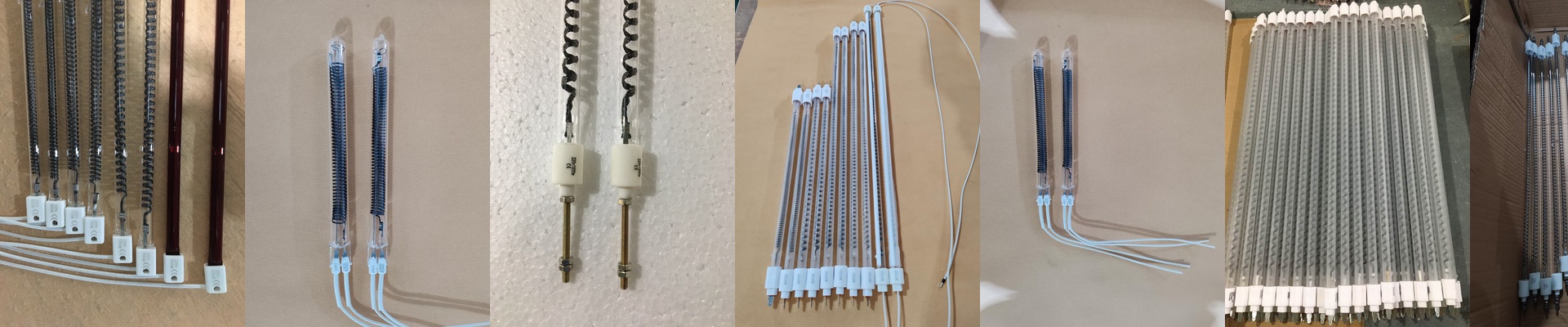
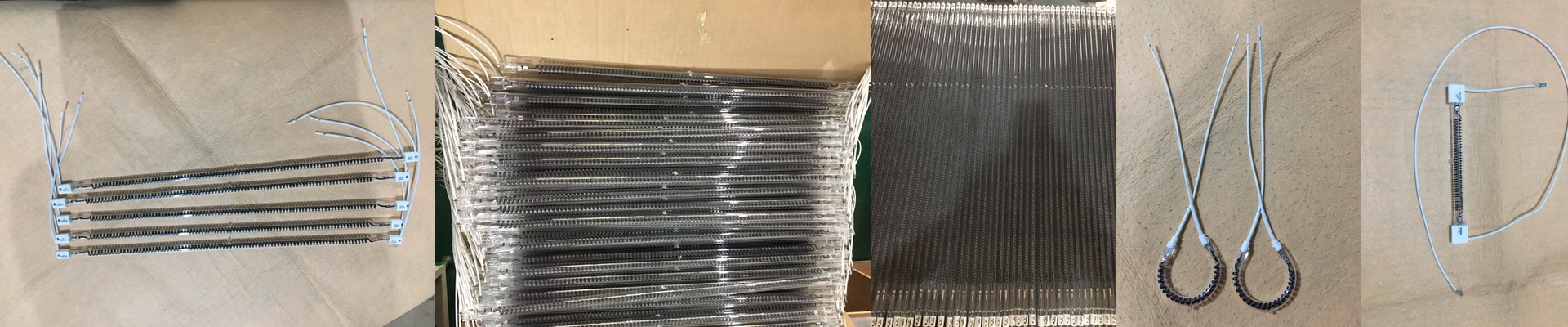
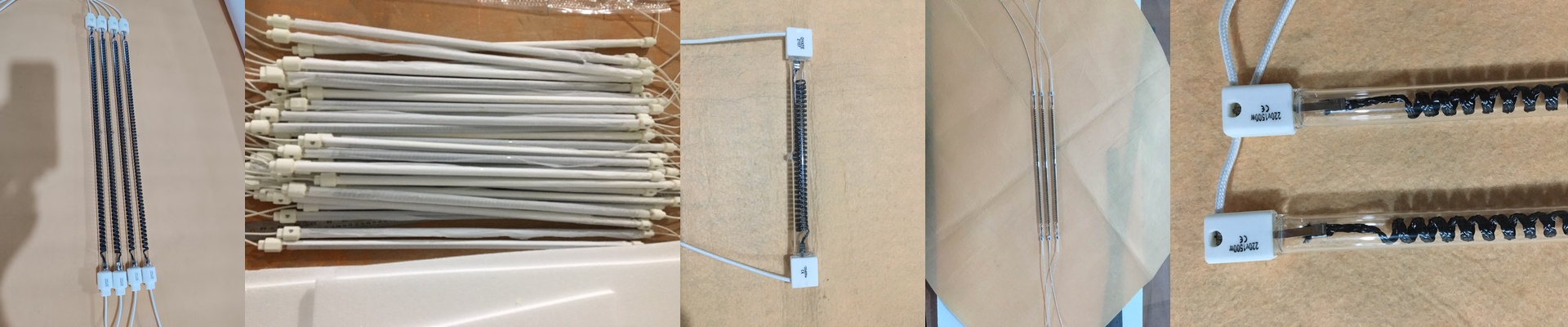
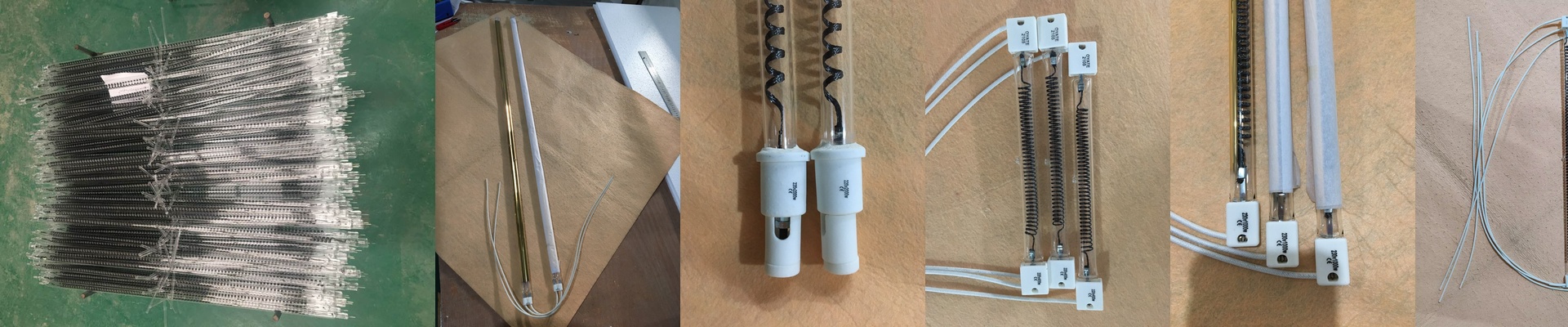
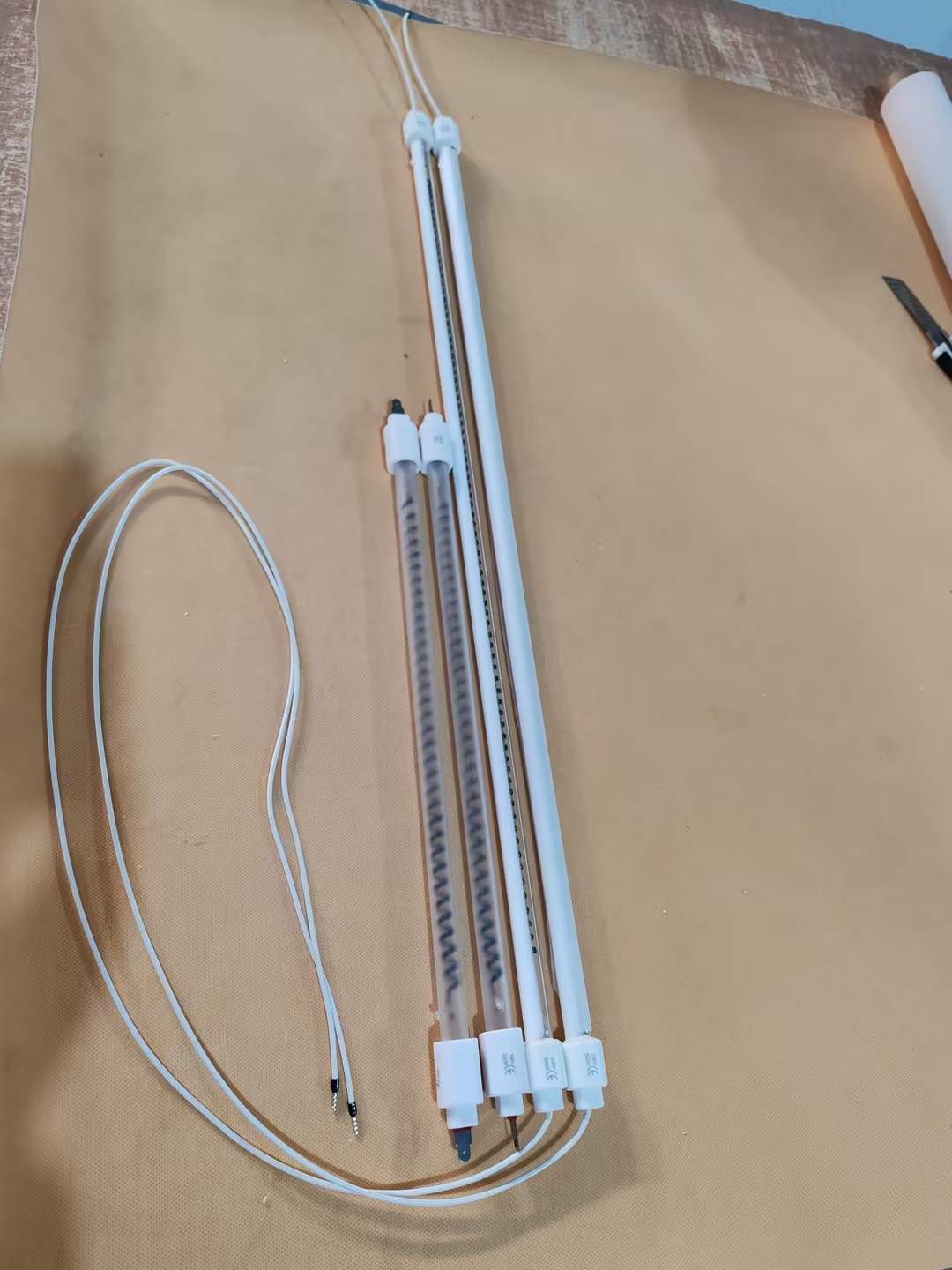
Let’s talk about Carbon Fiber Heating Elements
We’ve moved away from the old-school tungsten and nichrome wires. Why? Because carbon fiber filaments just push the limits of heat transfer in a way metal can’t. Instead of a simple wire, we use a carbon-fiber weave. When you run a current through it, it pumps out infrared radiation across a wide spectrum. The result? You hit your target temperatures way faster than you ever could with those standard resistive coils. The heat is intense. Because these elements have more surface area, the heat density is much higher. You get a rapid ramp-up, which means you aren’t sitting around waiting for your equipment to warm up. Plus, carbon fiber doesn’t really care about extreme heat cycles—it doesn’t warp or sag like metal does. We usually wrap these in quartz or ceramic sleeves. Think of it as a protective shell that keeps the fiber safe from oxidation or a stray bump. Just a heads-up: if you’re running these at max power, keep an eye on your mounting brackets. That kind of heat can put a lot of stress on your housing, and you don’t want your brackets failing halfway through a shift. Getting the wiring right Here is the tricky part: you have to be spot-on with your voltage. Carbon fiber doesn’t react to electricity the same way metal alloys do. If your voltage is off, you’ll likely fry the filament right at the end caps. To stop that from happening, we use reinforced terminations to keep any arcing under control. Where this actually helps If you’re doing PET blowing, curing paint, or running drying tunnels, this is where you’ll see the biggest win. It’s a great swap for old halogen lamps, though the heat emission feels a bit different. But there is a catch. Carbon fiber is brittle. Like, really brittle. You cannot bend these elements during installation. If you put a sharp kink in the fiber, it’ll snap instantly and kill the whole circuit. Just take your time with the install. Keep your tolerances tight, don’t force anything, and you’ll be golden.