Introduction
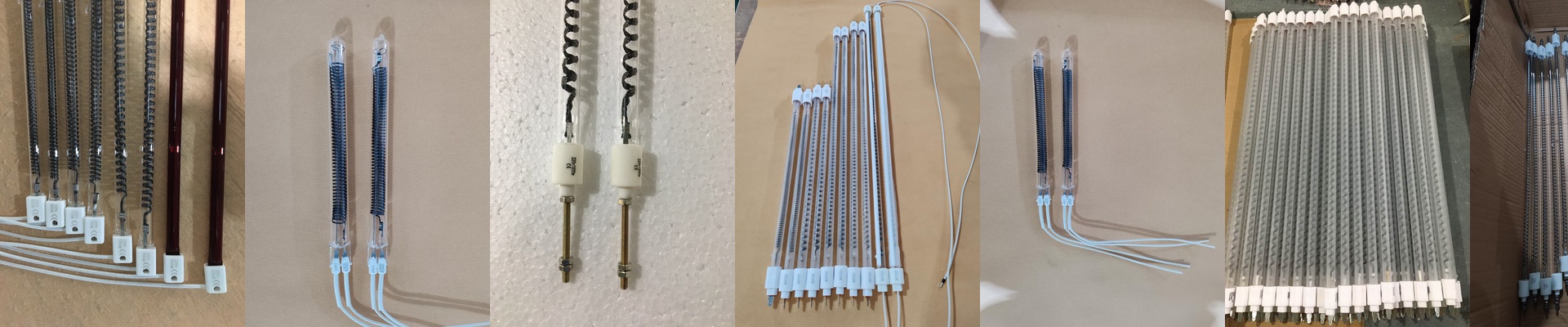
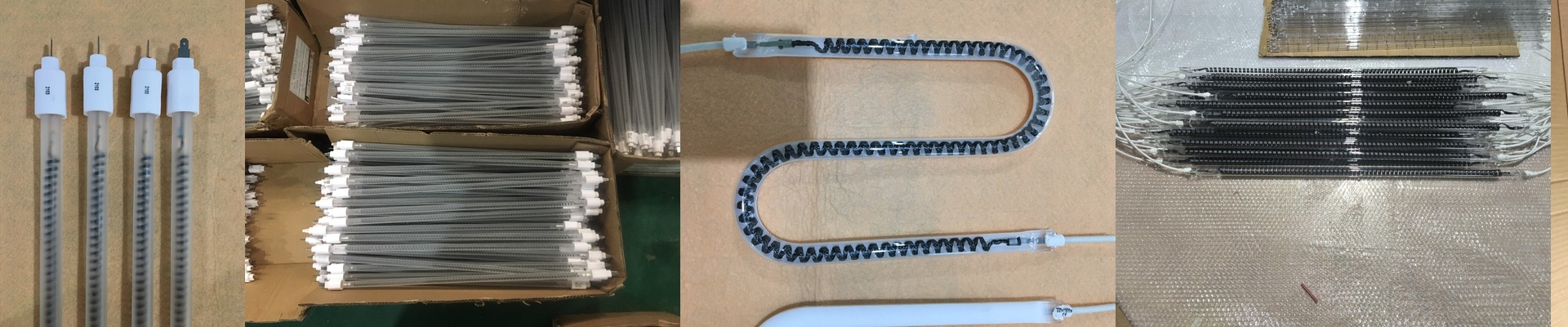
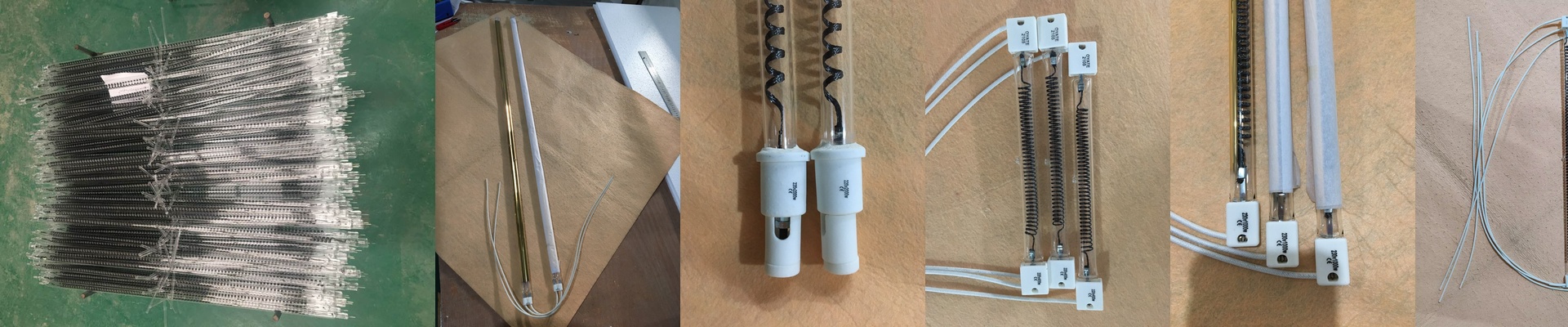
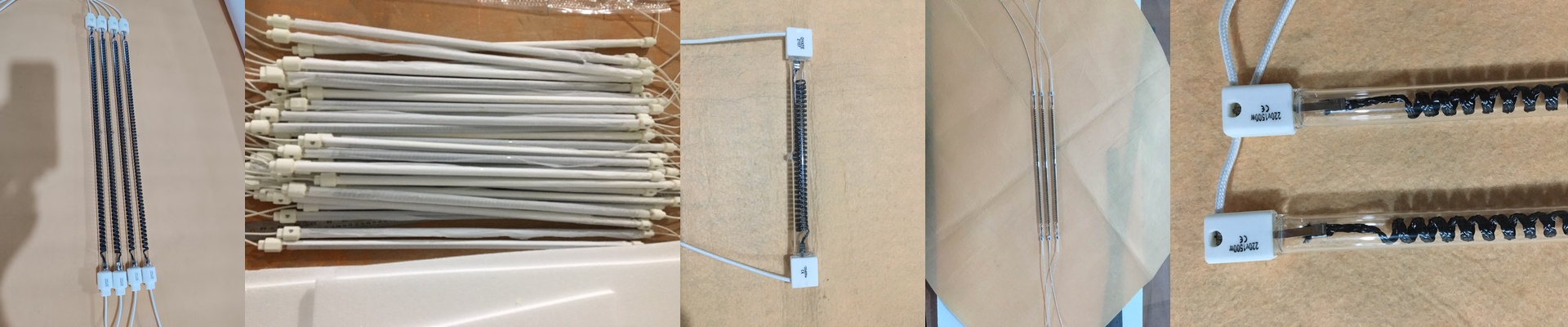
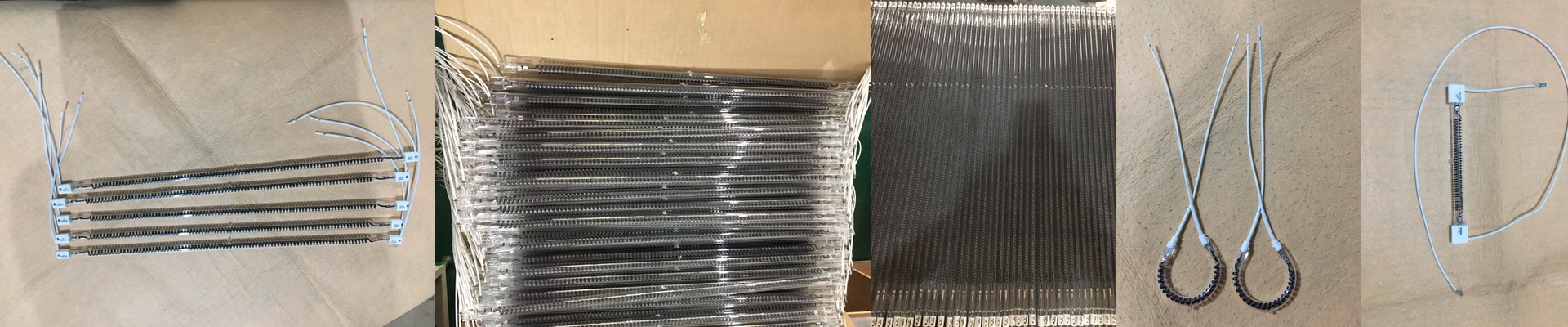
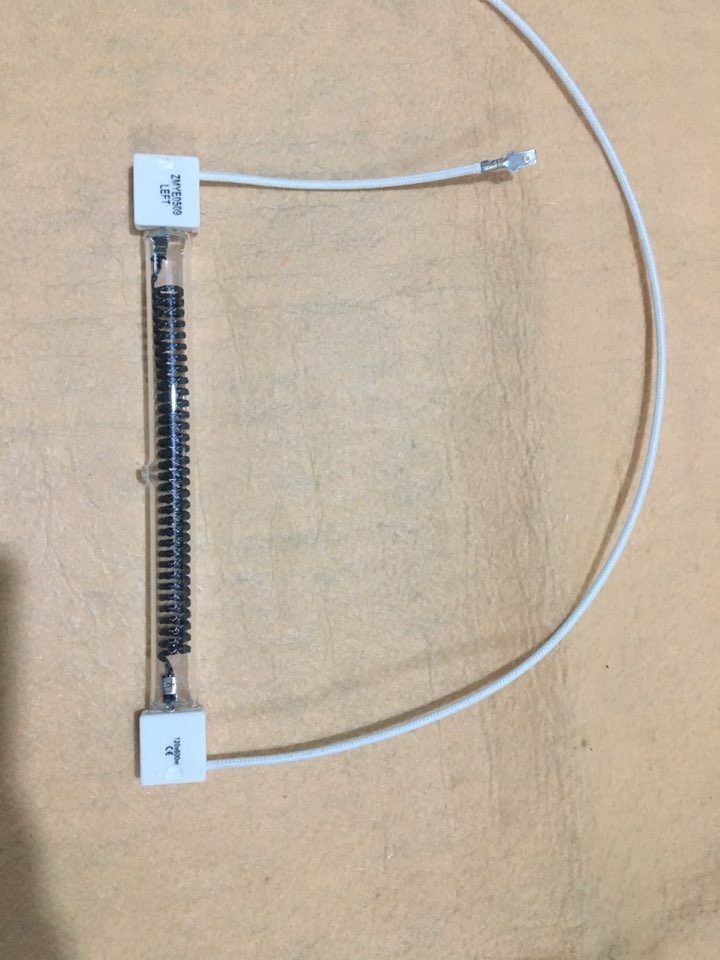
Picture this: you need heat, fast. Right where you need it. But you absolutely don’t want to turn your whole workshop into a sauna. That’s exactly why we built the infrared carbon fiber tube. It’s a compact powerhouse, a high-intensity heater for engineers who crave speed and precision. Think of it as a focused beam of heat, built around a halogen-type infrared emitter with a carbon fiber filament. It delivers a serious punch in a tiny footprint, perfect for those jobs where timing and control are everything.
The Nitty-Gritty
Here’s what makes it tick. It runs on 400V, a high-voltage design. Why does that matter? Because it lets us keep the current lower for the same power. That means smaller wires, less energy lost along the way, and cooler-running drivers and terminals. With 2500W of power, it gets hot—fast. Seriously fast. But that kind of density also means you need to be smart about the surrounding gear. It has to be ready for the heat. The 300mm length is another smart choice. It concentrates the heat into a tight, defined zone, so you’re only heating the part that matters. No wasted energy.
What’s Inside
The magic starts with the carbon fiber filament. It fires up almost instantly. Inside, a halogen gas fill does two crucial jobs: it keeps the filament stable and stops those pesky hot spots from forming. The whole thing is wrapped in a quartz envelope. It’s tough, handles extreme heat, and won’t crack under sudden temperature swings. And the R7s connector? It’s the industry standard for a reason. It makes this tube a simple, drop-in replacement. Swap it out on the line without rewiring the whole setup. Easy.
Where It Shines
This tube is your go-to for fast, clean, non-contact heating in tight spots. Think plastic welding, curing adhesives, or drying components. The quick start-up cuts down on cycle time, and that focused heat profile makes temperature control a breeze. Now, let’s be honest—there’s a trade-off. That 2500W power density is serious. It demands proper cooling and the right insulation spacing. But if you plan your thermal management, you get a heat source that just keeps going, reliably, over and over again.