Introduction
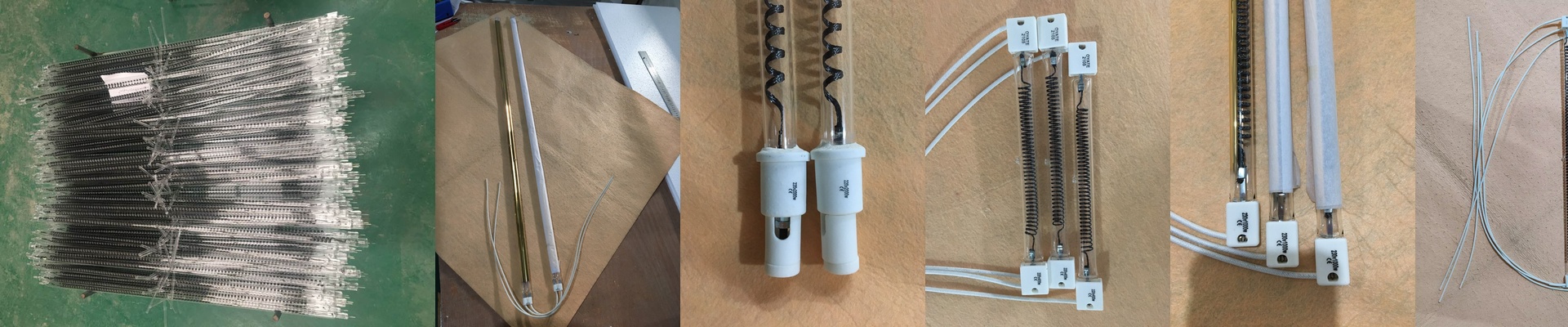
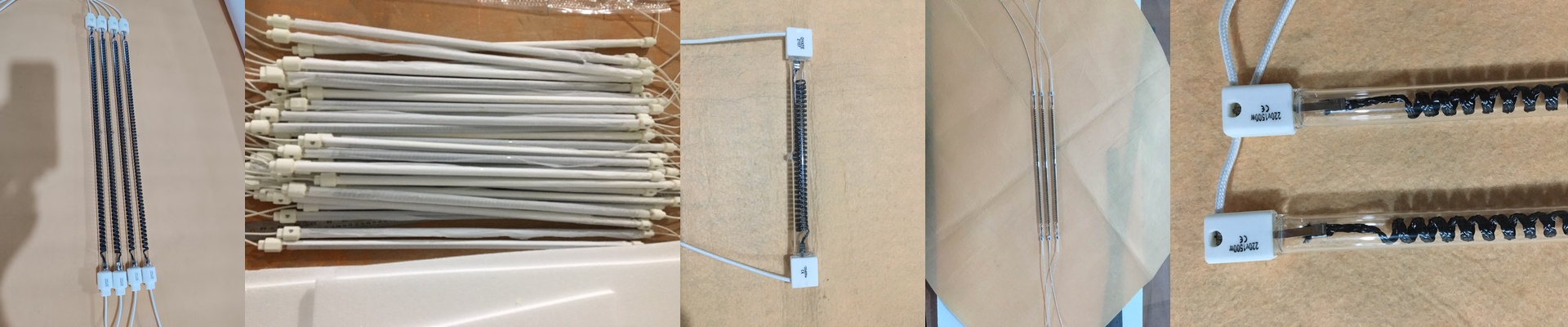
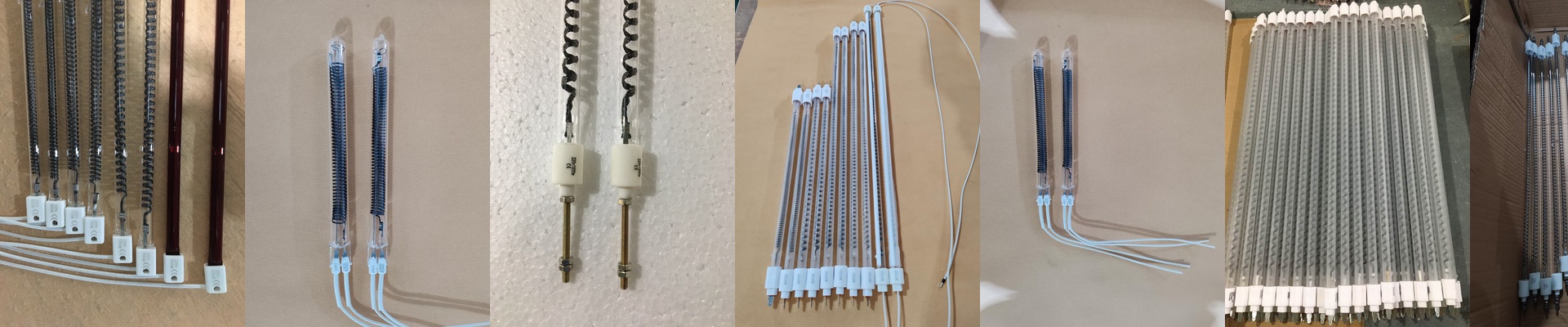
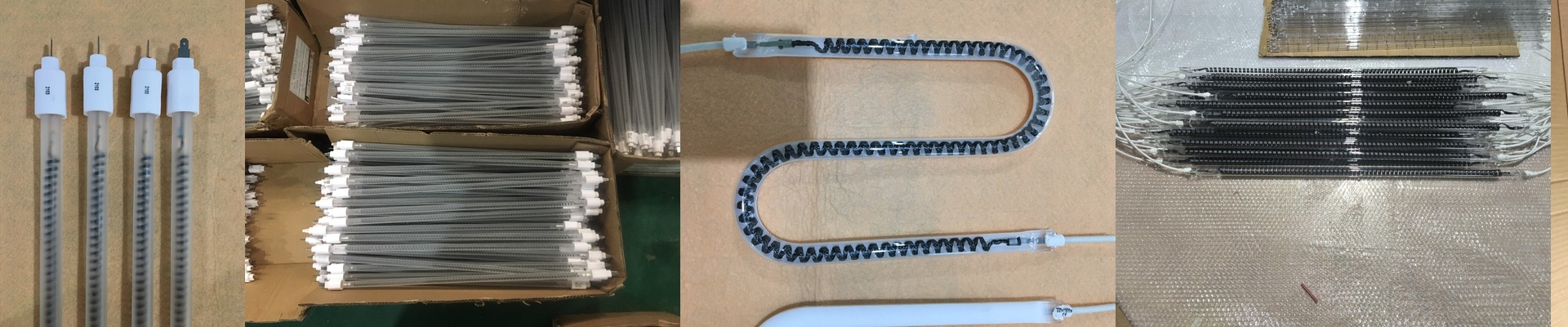
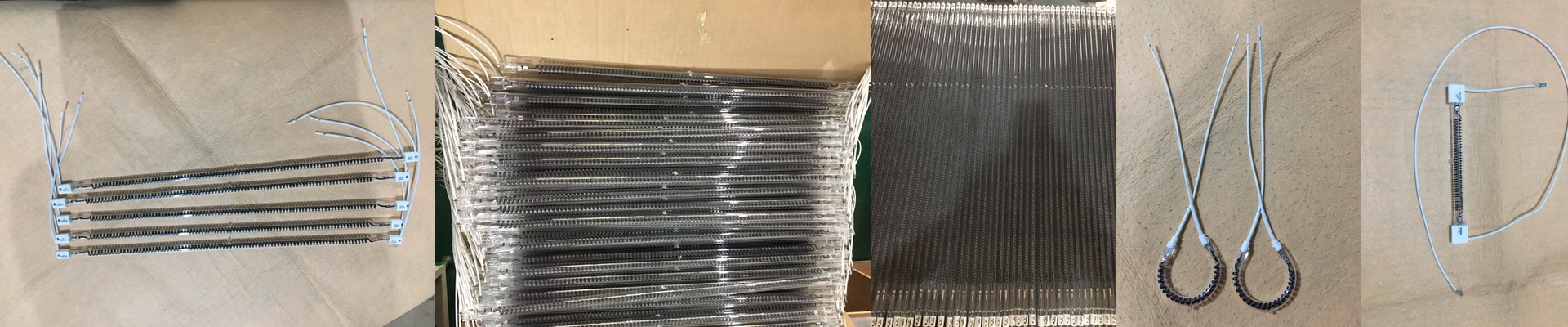
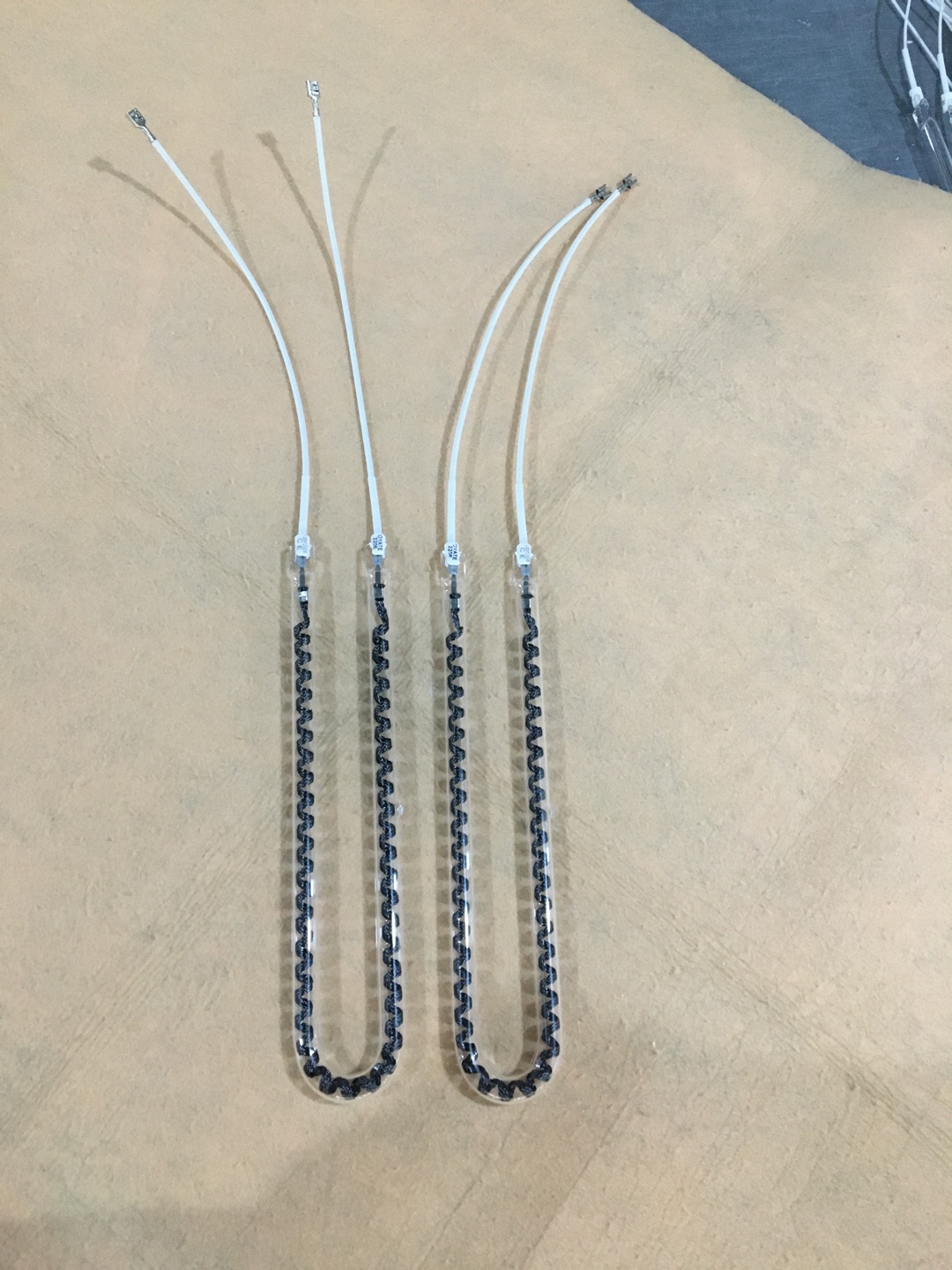
We built these nano carbon paint halogen infrared lamps for engineers who need a heat source that’s small, easy to control, and tough enough for the shop floor. The whole idea is a quartz envelope filled with halogen gas, then coated with a nano carbon layer to shape the infrared output. It’s meant to slide straight into machines where space is tight and you simply can’t compromise on heat density.
Technical Deep-Dive
Let’s get into what makes it tick. It runs on 400V, so you can wire it into standard high-voltage industrial circuits. That means lower current for the same power, which keeps wiring sizes manageable and eases the strain on contacts. At 2500W, it packs a serious punch in a small footprint. You get rapid heating and fast recovery—handy after door cycles or when the process gets interrupted. And the 300mm length? It’s a thoughtful compromise. Long enough to create a uniform hot zone across your target, but short enough to fit into snug reflector assemblies and tight heating tunnels.
Material & Design
We chose a quartz tube because it handles thermal shock well and really shines in the infrared band. Inside, the halogen cycle keeps the filament stable by putting evaporated material back where it belongs. That helps the output stay consistent over the lamp’s life and cuts down on blackening. The nano carbon paint isn’t just for looks. It tweaks the spectral profile, shifting more energy into the infrared—exactly where many plastics and coatings absorb best. Then there’s the R7s double-ended cap. It gives solid mechanical support and repeatable spacing, while making termination straightforward and the fit secure in ceramic or metal holders.
Application & Benefits
Out in the real world, this setup is all about fast, focused heat that doesn’t waste time heating the surrounding air. You’ll see it used for plastic welding, sealing films, curing adhesives, and preheating molds. The 300mm form factor is compact enough to refit existing equipment without a major redesign. That high power density gives you snappy temperature response, but it also means your machine needs to handle the heat. So you have to match the cooling—whether airflow or water cooling—to that 2500W dissipation. Do that, and the envelope and nearby parts stay cool. Bottom line: it’s a direct, drop-in heating solution when you need predictable infrared output and dependable consistency, cycle after cycle.