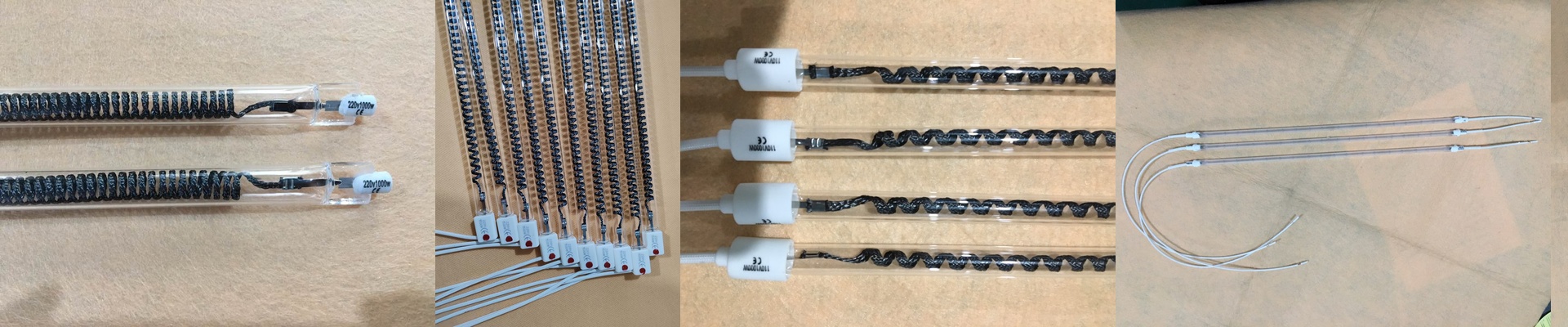
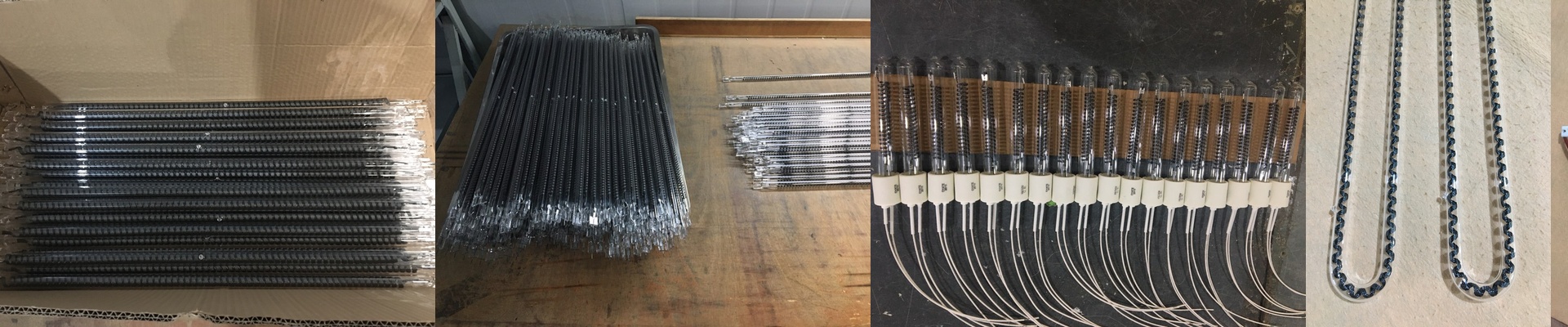
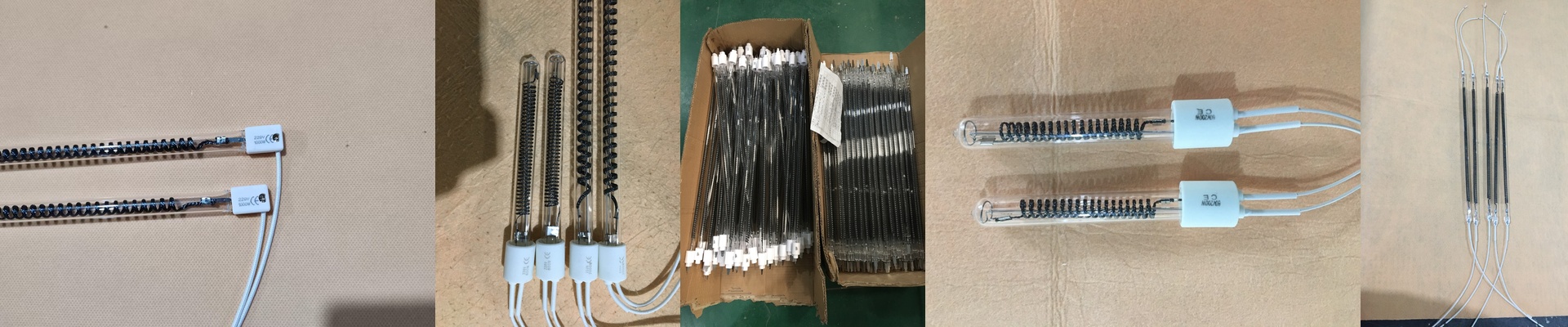
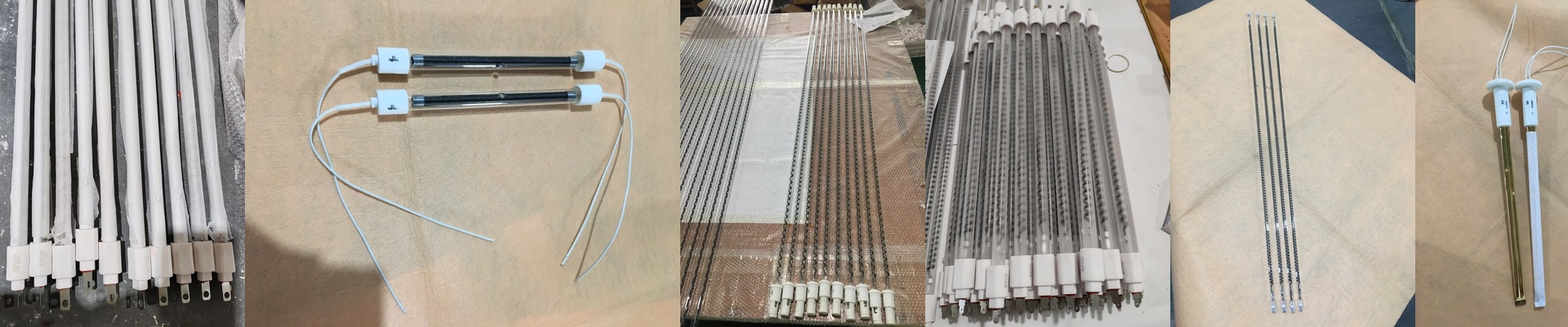
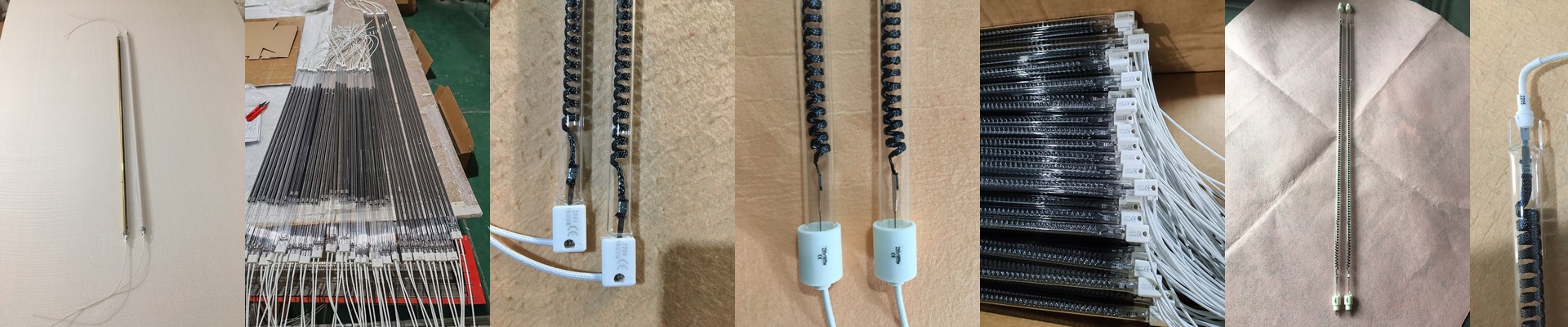
Let’s talk about the 1000mm 1500W Carbon Fiber Infrared Tube
We built these lamps for those moments when you need heat—and you need it now—across a wide area. At a full meter long, you get a massive heating footprint. Pair that with 1500W of power, and you’ve got enough punch to get deep into your materials without having to mess around with crazy high voltage. The deal with the heat distribution When you spread 1500W across a tube this long, the heat stays steady. It’s consistent. You don’t have to worry about those annoying “cold spots” that usually pop up when you try to cram too much power into a shorter tube. If you’re working with a large surface and need it heated evenly from end to end, this is your best bet. Why carbon fiber? Forget those old quartz heaters with the metal coils. We went with a carbon fiber filament. Why? Because it hits operating temperature way faster. It puts out medium-to-long wave infrared radiation, which is just a fancy way of saying it’s a perfect match for plastics and organic materials. They soak up this kind of heat much better. Now, a quick heads-up: the filament lives inside a high-purity quartz envelope to keep it from oxidizing. But that glass is the only thing protecting the carbon. If that seal breaks, the filament is gone in a heartbeat. Just be careful with your mounting brackets—don’t squeeze the glass ends too hard or you’ll be replacing the lamp. Getting it up and running Wiring these into your industrial panels is pretty straightforward. They play nice with standard PID controllers. And since they don’t hold onto a lot of thermal mass, they react almost instantly when you tweak the power. It feels snappy. But here’s the thing… carbon fiber is a bit more delicate than those chunky metal-sheathed heaters. They can’t take a hit. If your shop has a lot of vibration or things tend to bump into the equipment, definitely throw some protective shielding over them. And please, don’t forget the ventilation. 1500W puts out a lot of heat. If your housing isn’t designed to breathe, you’re going to bake your electronics.