Getting the Most Out of Carbon Fiber IR Lamps
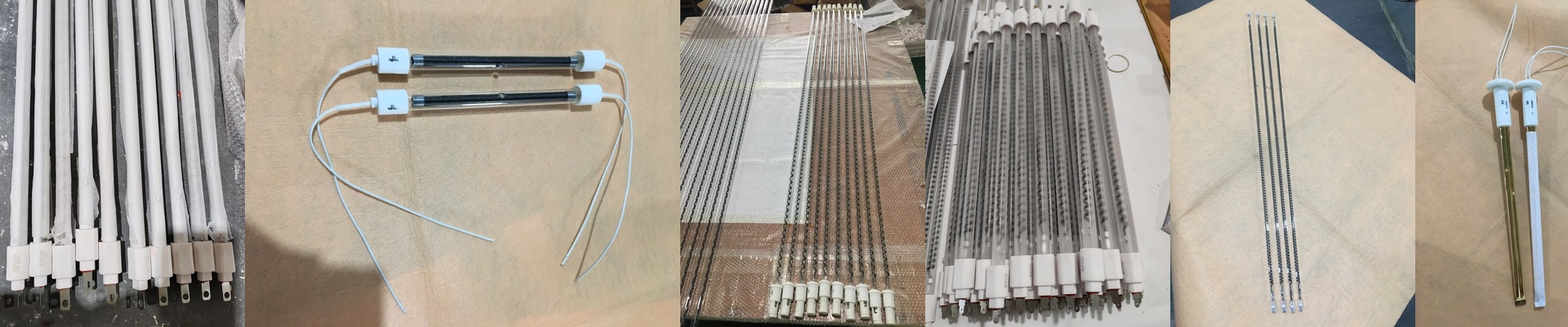
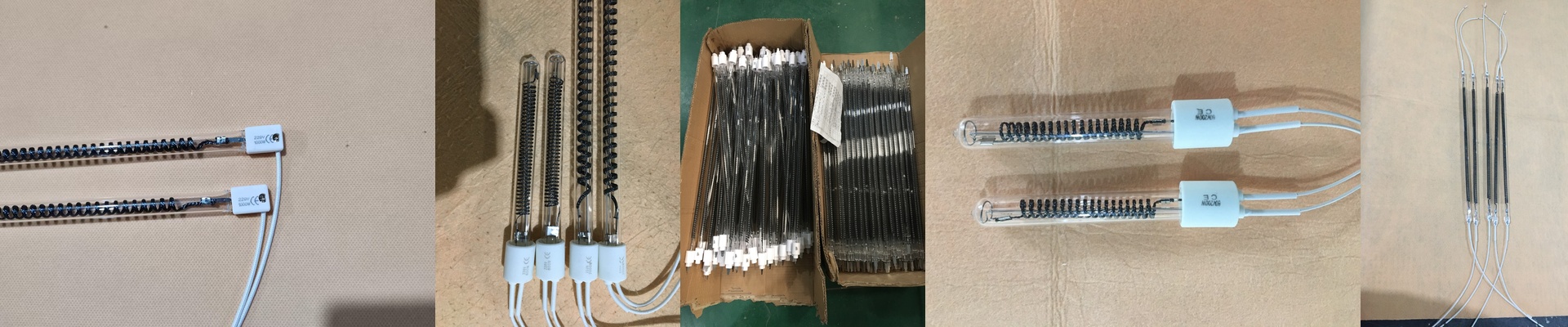
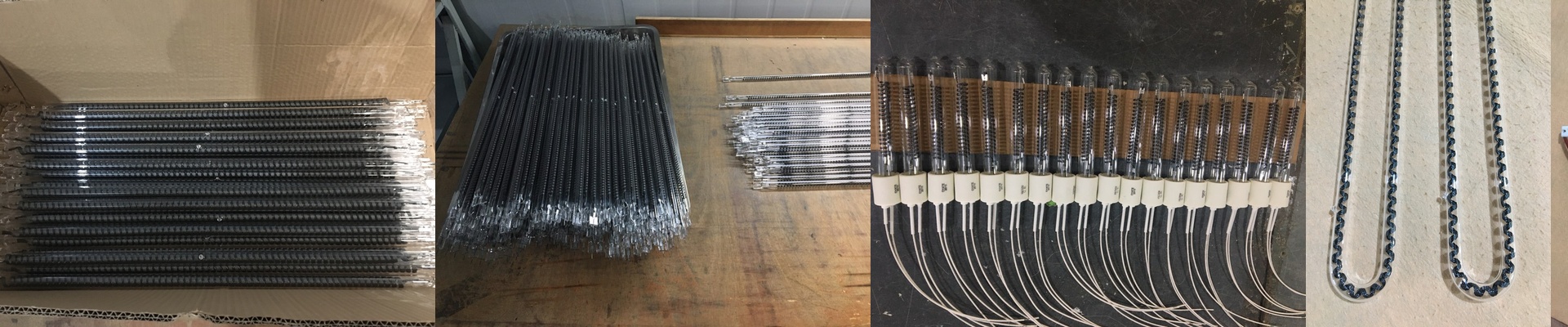
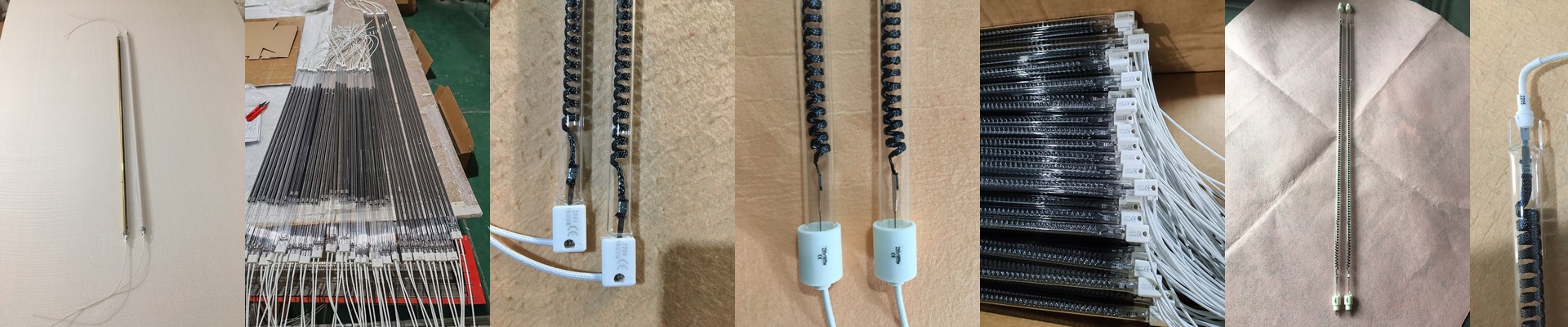
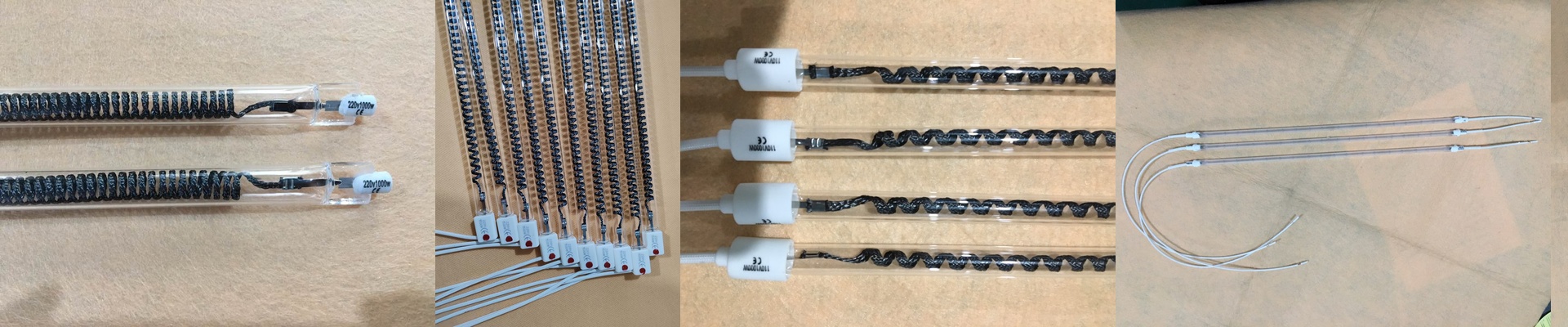
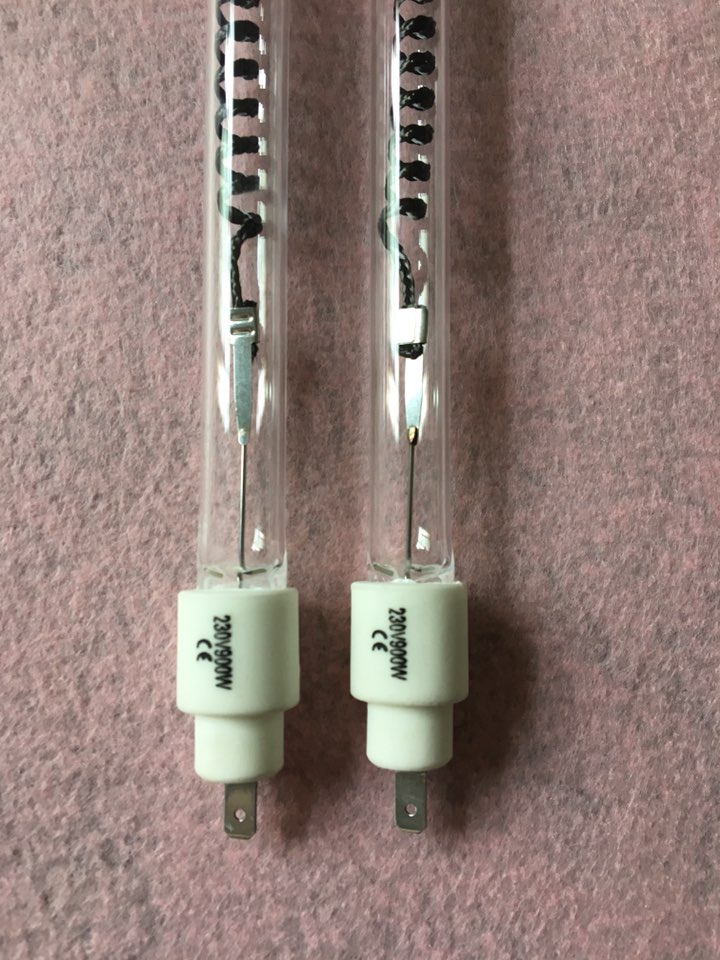
Standard metal filaments are fine, but carbon fiber is a different beast. Instead of just getting hot, these emitters use a specific infrared spectrum. The result? They ramp up way faster and don’t need to reach crazy surface temperatures to get the job done. The physics of it all Here’s the thing: unlike your typical halogen tubes, carbon fiber has a broader emission curve. In plain English, the heat actually sinks deeper into whatever you’re heating. You get a massive hit of thermal energy without pushing the quartz tube to the breaking point. It’s a lot more efficient. But a word of caution. If you’re squeezing a high-wattage tube into a tiny space, you’ve got to think about your airflow. If that heat has nowhere to go, the ends will burn out and the glass will stress.Keep it breathing. Putting them to work The filament lives inside a quartz envelope to keep it from oxidizing. When it comes to wiring, we’ve got you covered with options like R7s or Sk15. They fit tight, which means you don’t have to worry about arcing at the terminals. Depending on what you’re heating, you might want a specialized coating. This shifts the energy from short-wave to medium-wave. It’s a lifesaver for materials that usually just bounce the heat right back. Where this actually matters If you’re doing PET blowing, paint curing, or plastic welding, these are your best friend. They’re a perfect swap for those clunky, aging heating elements. Your cycle times will drop because the carbon filament hits its stride almost instantly. One last tip: they’re tough, but they aren’t invincible. If your machinery shakes or vibrates, those tubes can take a beating.**Tighten your mounting brackets.**It’s a small step that saves you from a mechanical failure at the seal.