Getting the Most Out of Carbon Fiber IR Lamps
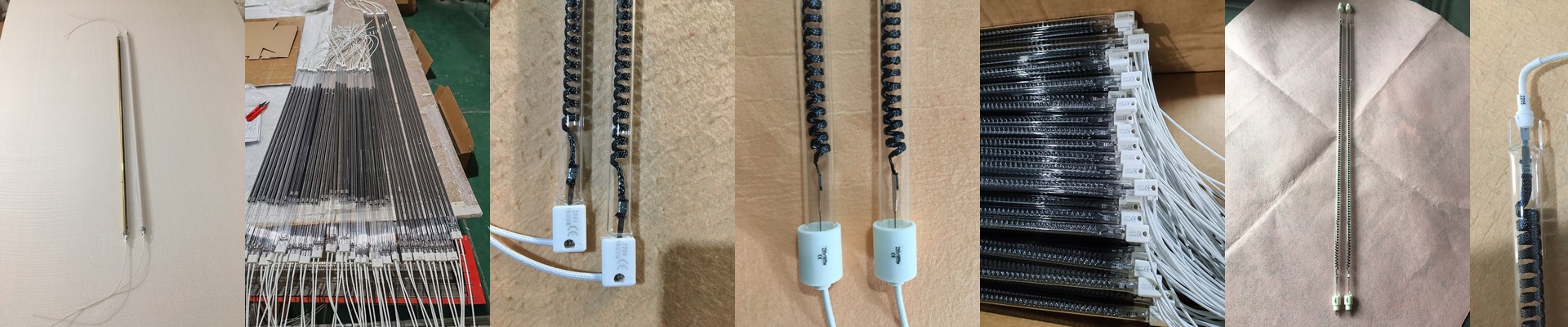
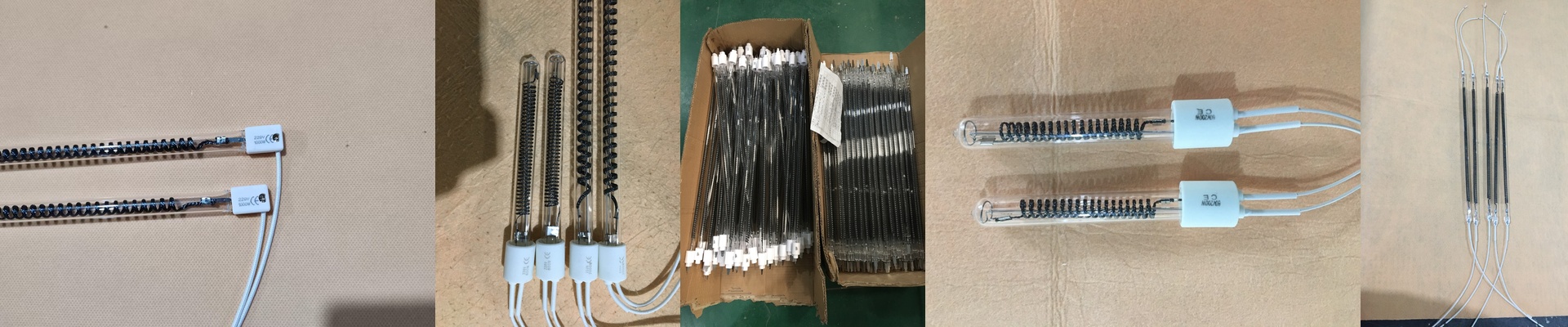
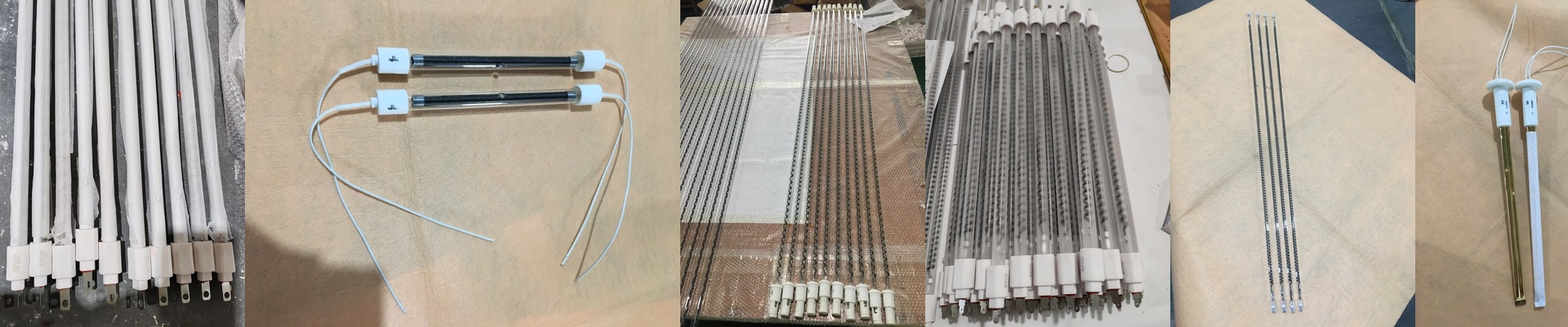
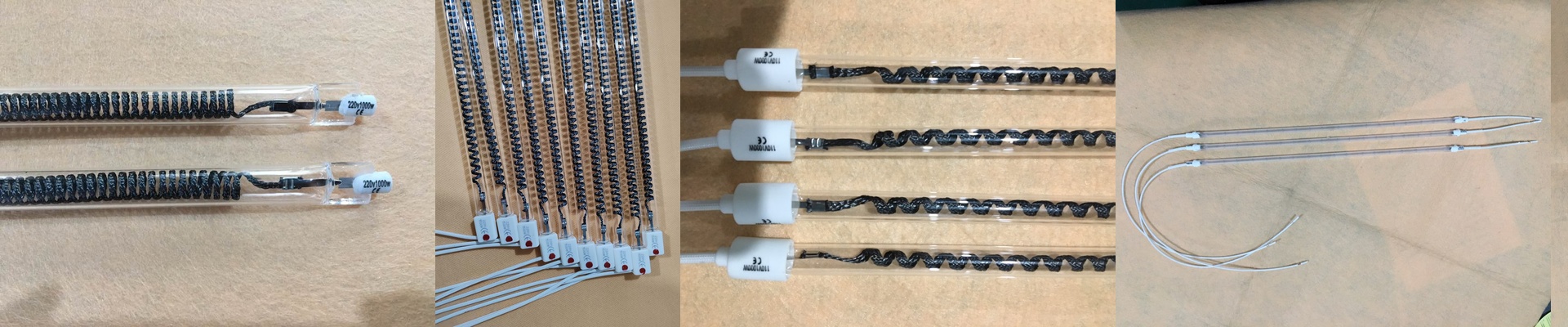
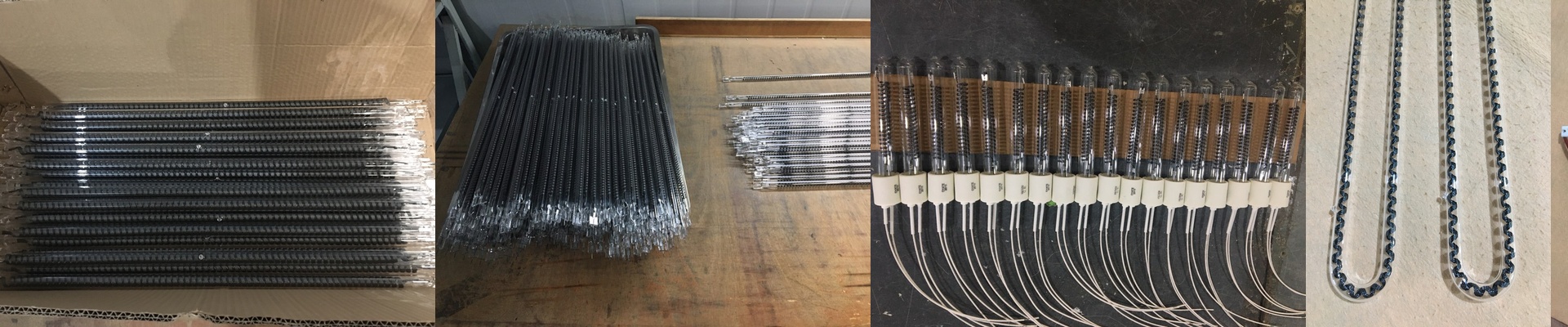
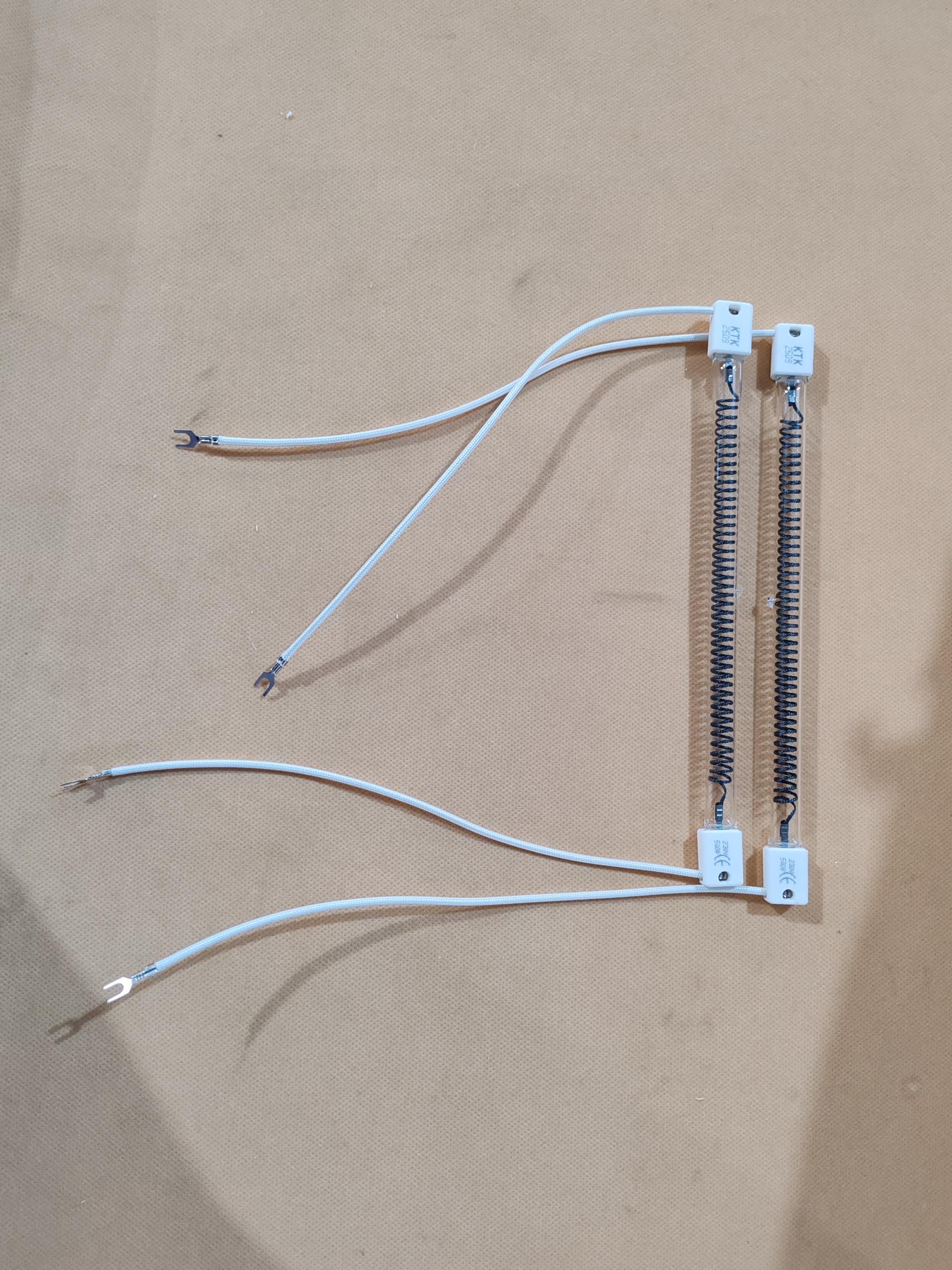
If you’ve ever dealt with industrial heaters that take forever to get up to temp, you know how frustrating that lag is. That’s why we use carbon filaments wrapped in quartz. Unlike those old-school metal coils, carbon can handle a lot more current and hits its operating temperature almost instantly. It’s basically immediate heat. No waiting around for the housing to warm up while your production line just sits there. The power side of things Here’s the thing about wattage and voltage: it’s all about how much “punch” you need. If you pack high wattage into a short tube, the filament gets way hotter, which means you’re pushing more energy directly into your material. But be careful. You’ve got to match your power supply to the lamp’s rating. It’s tempting to over-volt the lamp to squeeze out a bit more heat, but don’t do it. You’ll just burn out the filament and be replacing the lamp way sooner than you should. The build and the bits We use high-purity quartz glass for a reason. It lets those IR waves slide right through without soaking up the energy. For the connectors, we usually stick with R7s or Sk15. They’re standard, so they should slide right into most industrial setups without a fight. Plus, they fit tight, which means you won’t have to worry about arcing at the contact points. Depending on your shop, we can even add a coating to the glass to protect it from chemical splashes or to tweak the emission spectrum. Making it work in your shop These are a dream for PET blowing, curing, or drying lines. Because they’re so efficient, you don’t need those massive, clunky reflectors, which lets you shrink the footprint of your heating tunnel. But there is a trade-off. These lamps runhot. You really need to get your cooling fans and ventilation sorted. If air doesn’t move around the ends of the quartz tube, the glass will crack. Simple as that. And one last tip: use high-temp leads for your wiring. Unless you enjoy the smell of melting insulation, it’s a must.