Shortwave vs. Medium-Wave: Which IR Lamp Actually Works for Your SMT Line?
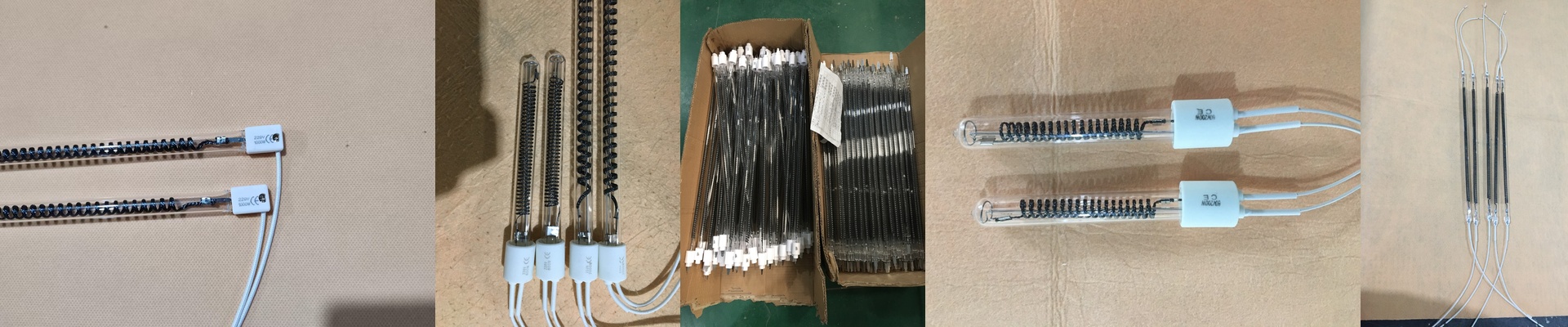
If you’re setting up a heating zone for smart meter PCBs, you’ve probably realized that picking the wrong IR lamp can mess up your entire thermal profile. Both shortwave (SW) and medium-wave (MW) options use quartz glass. We stick with quartz because it doesn’t warp when things get scorching, and it lets the heat pass through without wasting energy. But that’s where the similarities end.
Getting the heat where it needs to go
Shortwave lamps are the heavy hitters. They hit the board fast and hard. Because they run hotter, the energy actually sinks deep into the PCB substrate. If you’re dealing with thick boards or those chunky components that soak up heat like a sponge, go with SW. It’s the best way to make sure you don’t end up with cold solder joints that fail later. Medium-wave is a different story. It’s more of a surface-level heat. It gives you a lot more control over the top temperature, which is great if you’re worried about scorching the board or frying a sensitive component. The catch? It’s slower. You’ll be spending a bit more time in the pre-heat phase.
The nitty-gritty on hardware
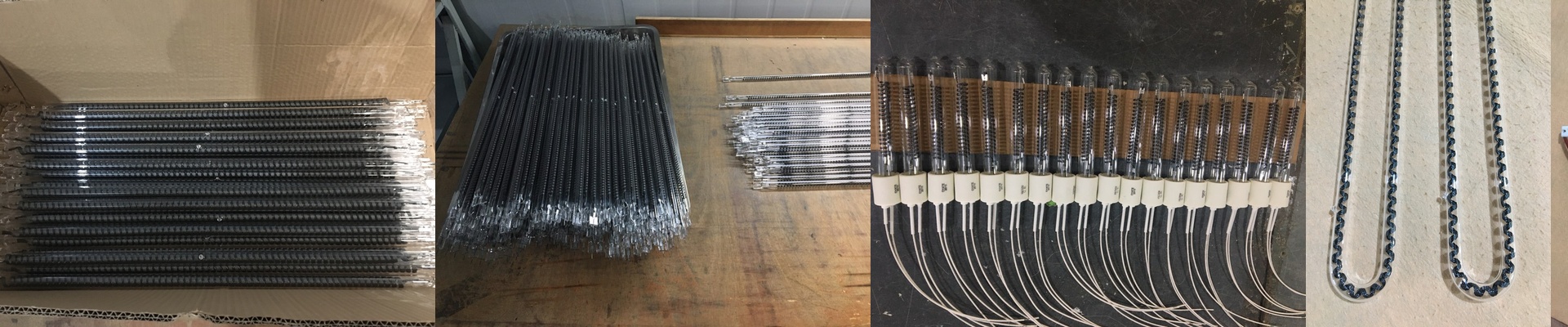
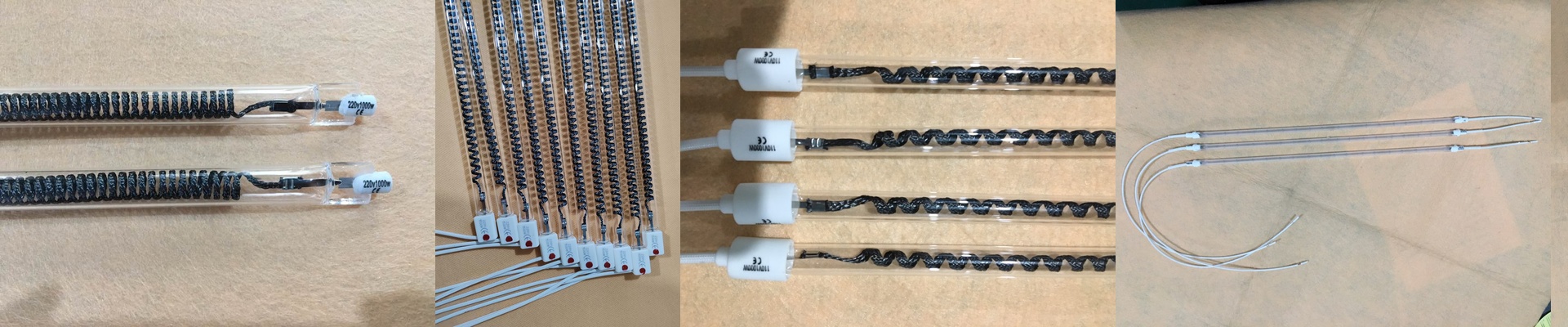
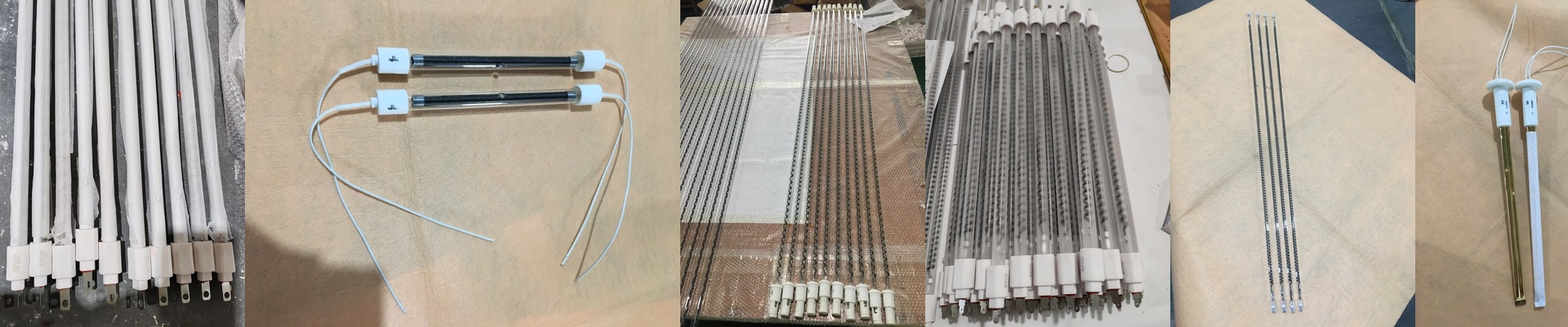
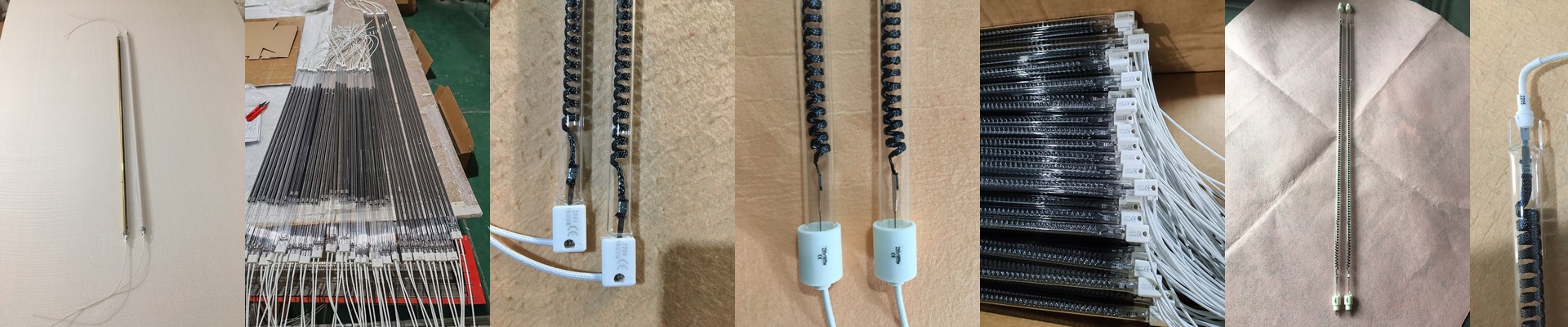
We use high-purity quartz for these tubes so they don’t just crack the moment you start cycling the temperature. Depending on your layout, you’ll need to nail down the wattage density. You want to hit that target temperature exactly while the board is moving on the conveyor—no more, no less. And please, double-check your power supply. If you shove too much current through a tube that isn’t built for it, you’ll fry the filament in a matter of days. While you’re at it, look at your connectors. Make sure they can handle the heat, or you’ll find your housing melting into a plastic puddle.
The reality of putting it all together
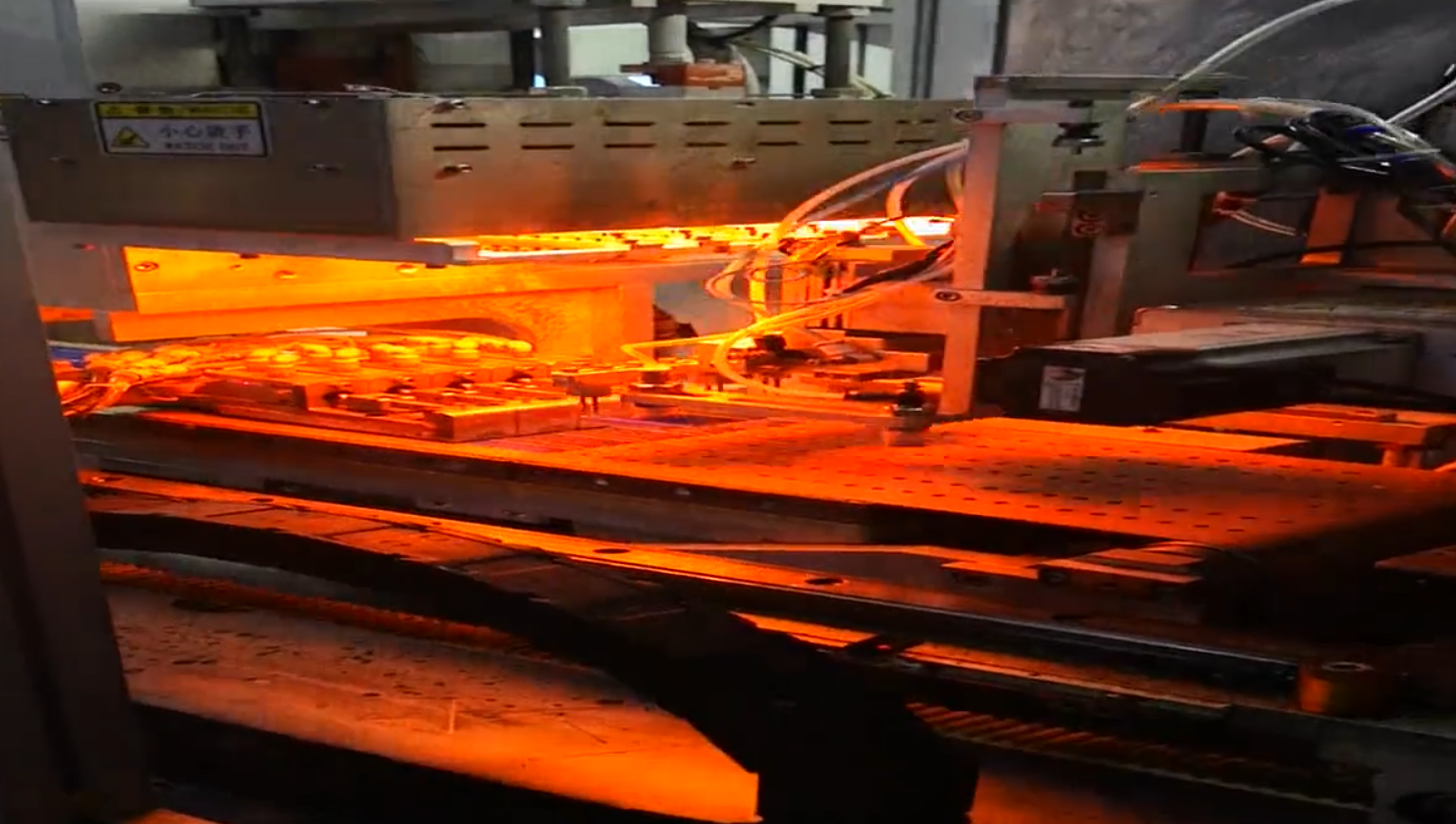
Here’s the thing: no lamp is “set it and forget it.” Shortwave lamps pump out a massive amount of energy. Sometimes too much. You might run into “overshoot,” where the top of the PCB is screaming hot before the bottom even wakes up. You’ll have to play around with the lamp height and conveyor speed to find that sweet spot. Plus, keep an eye on your cooling fans. If they aren’t up to the task, the ambient heat inside the oven will start to drift. Once that happens, your thermal consistency goes right out the window.