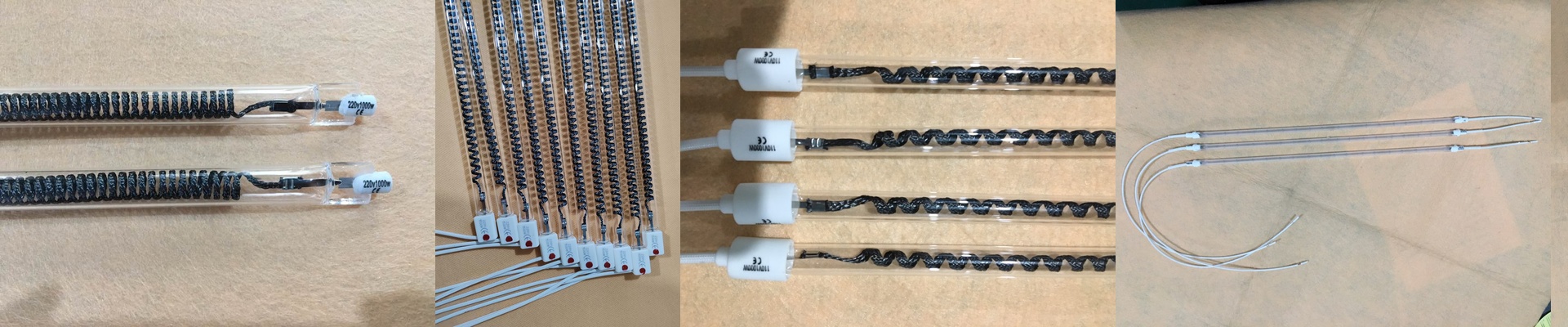
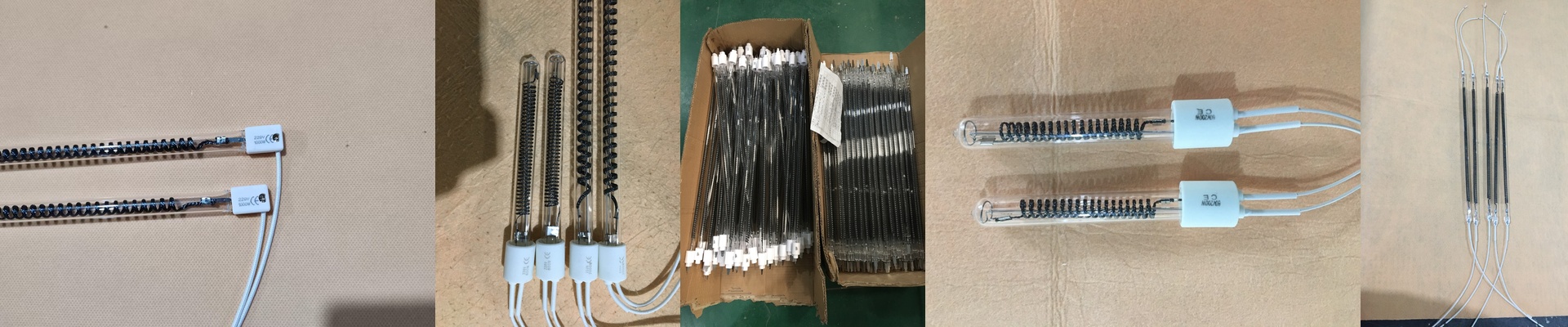
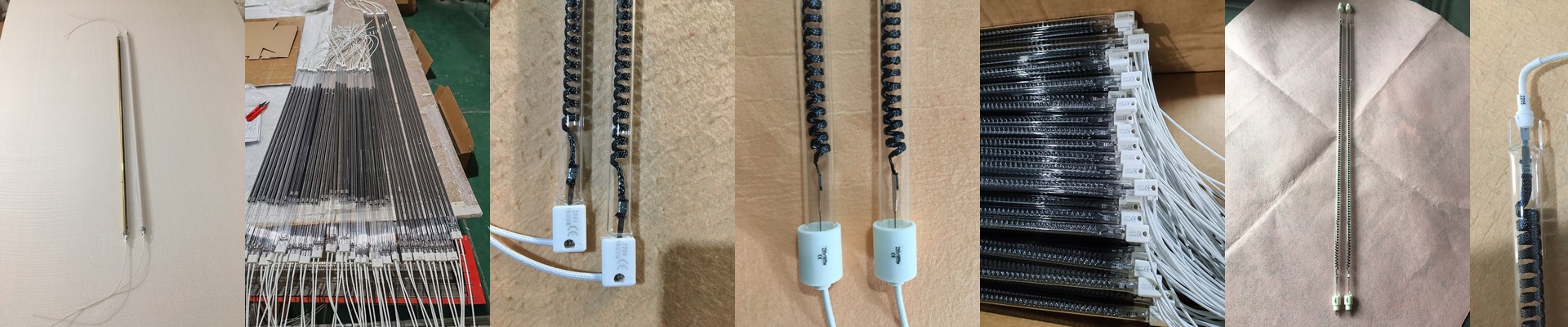
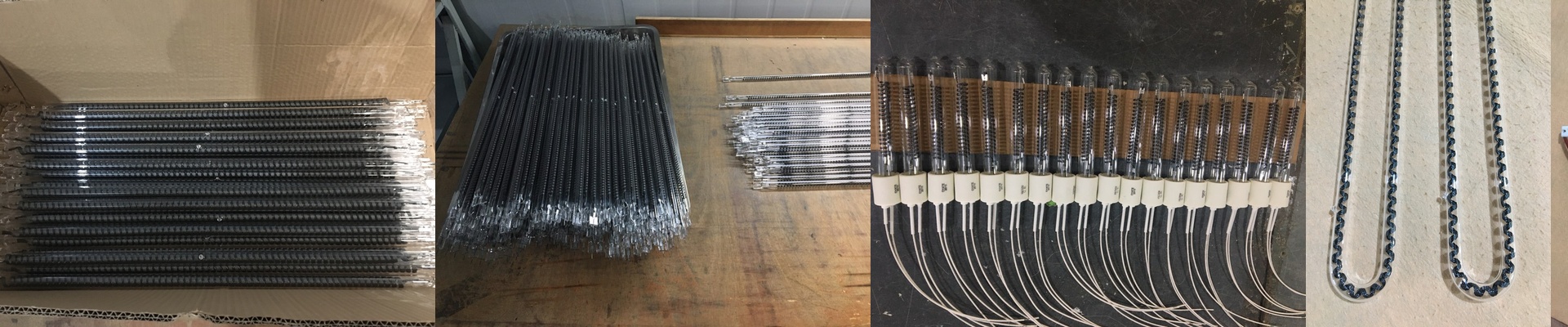
Let’s Talk Custom Carbon Fiber Heating Lamps
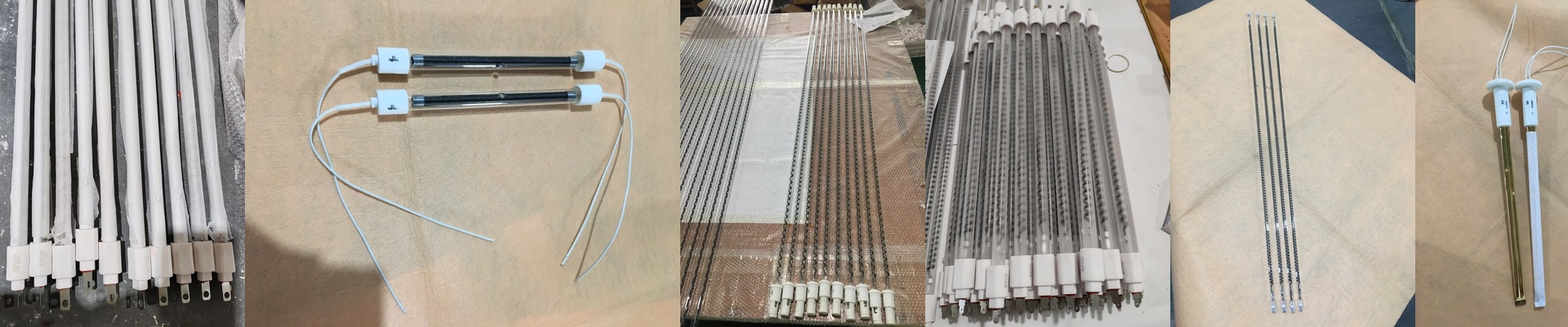
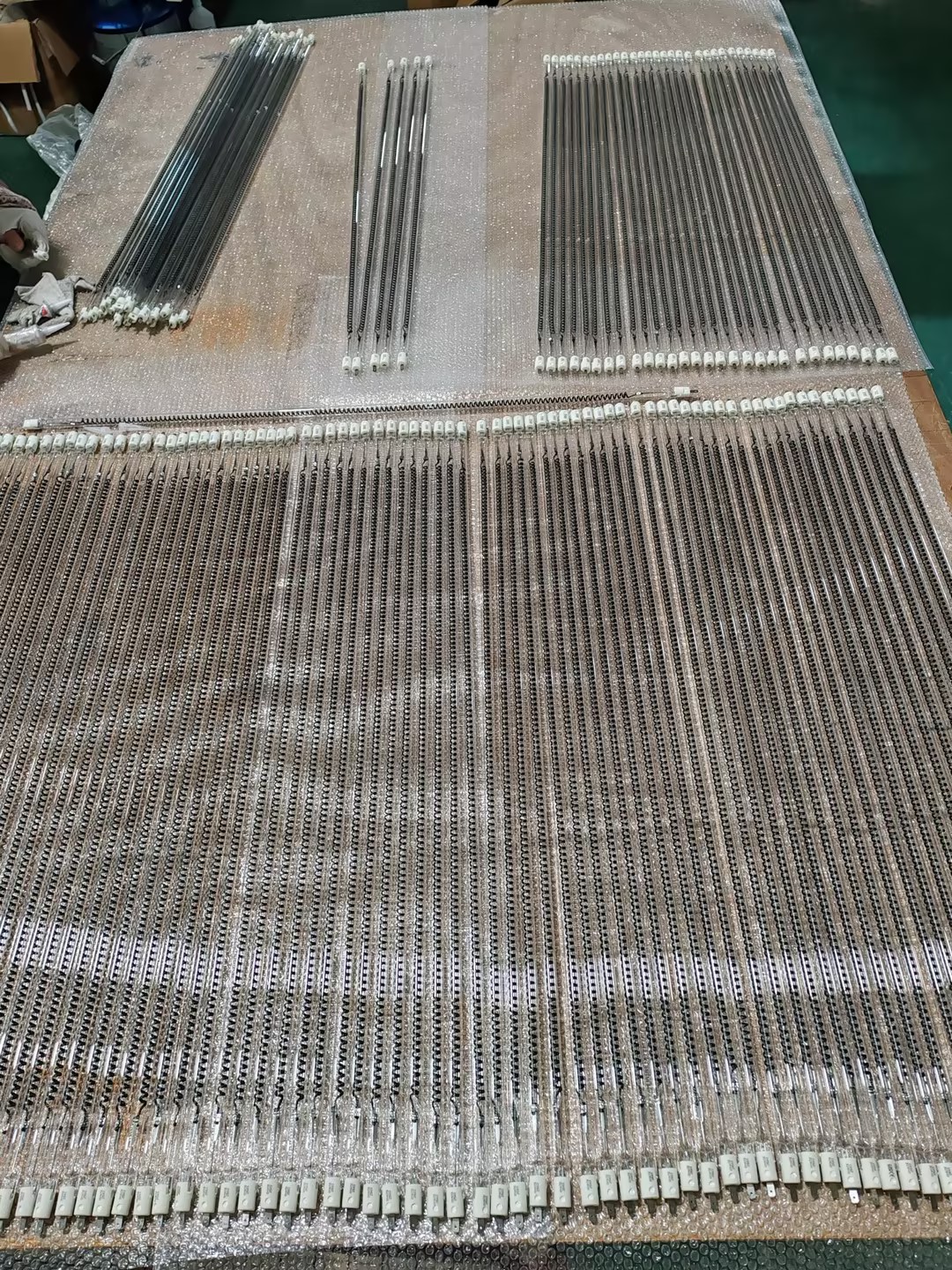
Here is how these things actually work: we run a current through a carbon fiber filament tucked inside a quartz tube. Now, the cool part is that unlike those old-school metal coils, carbon fiber lets us tweak the heat output along the entire length of the tube. We don’t do “one size fits all” here. We build these to your exact wattage and voltage so they play nice with your power supply and handle your heat load without a hitch. Getting the power right We can pack a lot of power into a very small space. But there’s a trade-off. If you go with higher voltage, you drop the current draw, which keeps your wiring from getting dangerously hot. But heads up: if you want massive wattage in a tiny tube, the heat density is going to spike. You’ll need to make sure your fans or heat sinks can actually handle that jump in temperature. Otherwise, you’re just looking at a premature burnout. The build and the “magic” coatings The quartz tube isn’t just for show—it keeps the filament from oxidizing. Depending on what you’re heating, we can add gold or ceramic coatings. This shifts the IR waves so the heat actually sinks into your material instead of just warming up the air around it. As for the plugs, we stick to the basics like R7s or Sk15. It means you can just pop them into most industrial ovens. No need to tear apart your whole chassis or spend a weekend rewiring everything. Real-world use These are built for the heavy lifting—things like PET blowing, curing paint, or welding plastic. Carbon fiber is just faster. It heats up and cools down way quicker than metal, which gives you a much tighter grip on your thermal cycle. Since these usually live in loud, shaking environments, we beef up the end-cap seals. That keeps gas from leaking into the filament chamber. Just one tip: keep them aligned. If the lamp sags, you’ll get hot spots, and that’s how you end up with warped products.