Let’s Talk Carbon Fiber Infrared Heaters
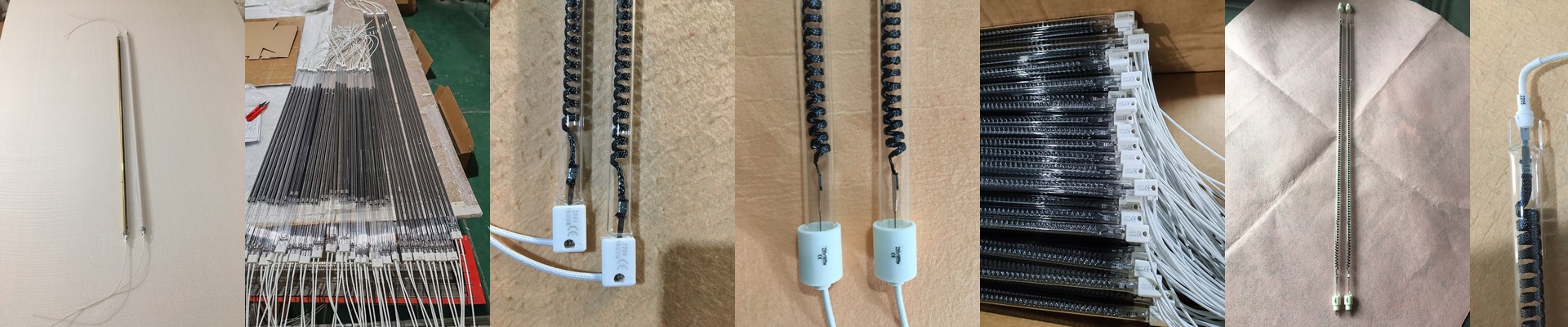
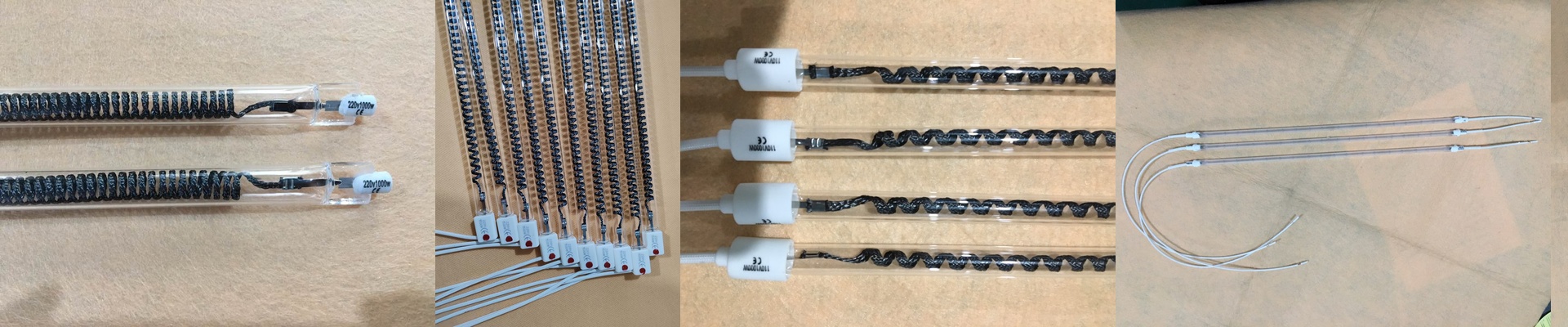
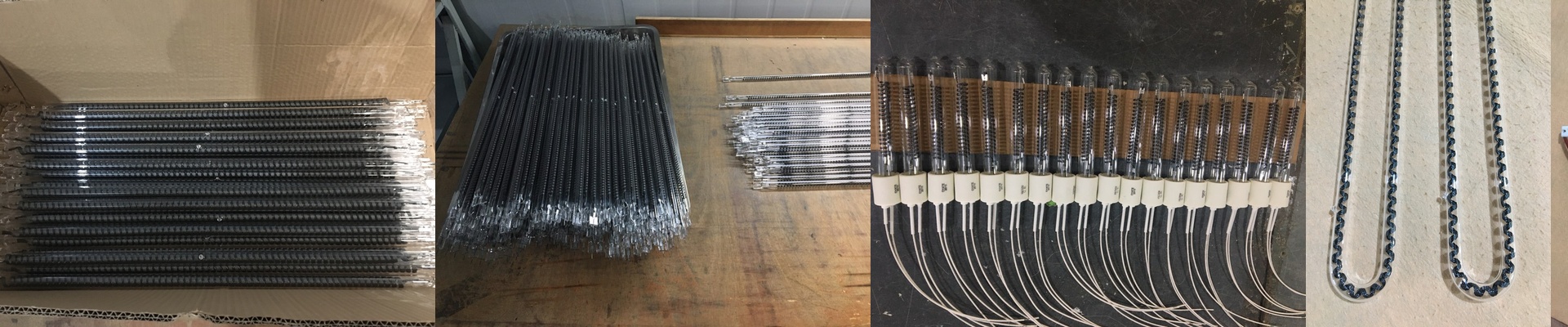
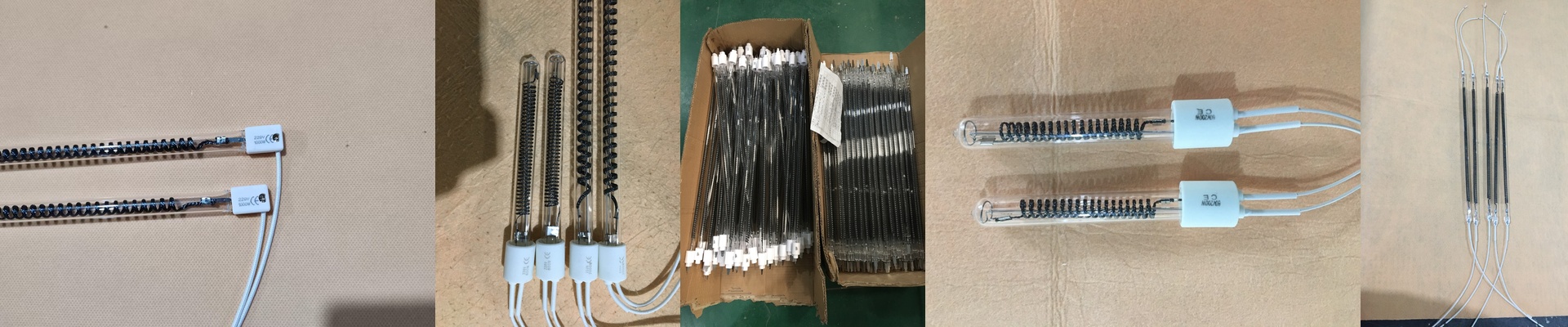
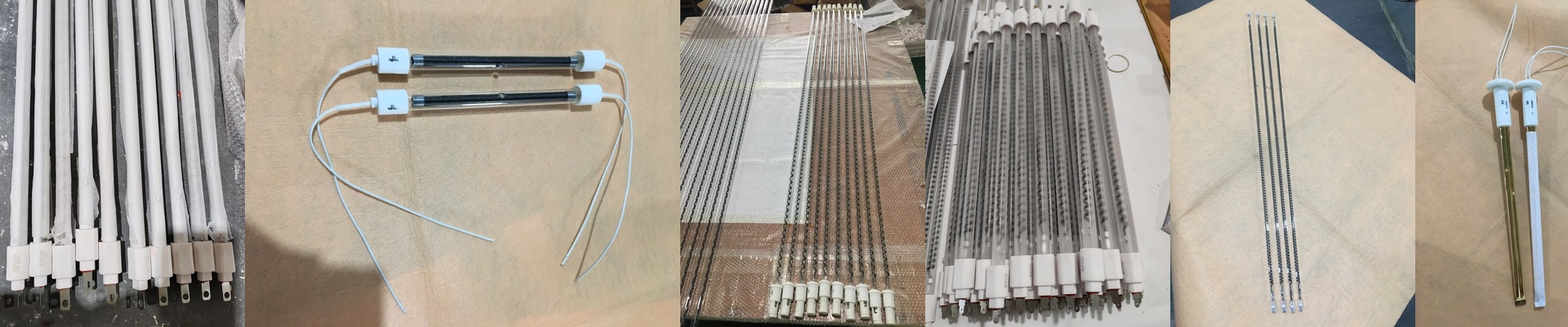
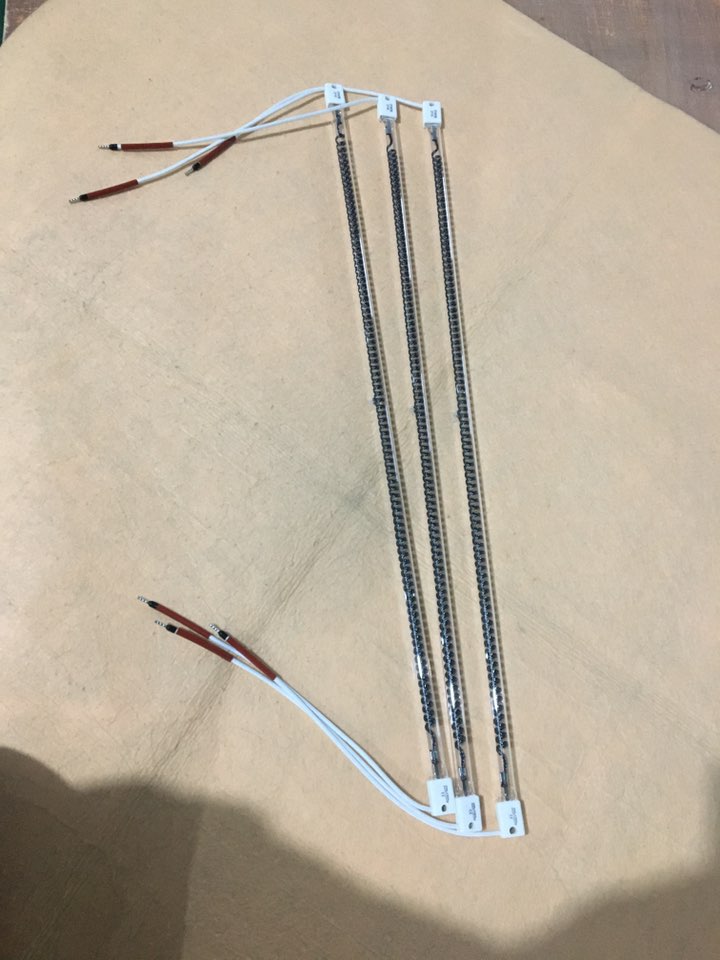
We make carbon fiber infrared lamps for those times when you need a massive amount of heat, and you need it now. Instead of using those old-school metal coils, we put a carbon fiber filament inside a quartz tube. Why? Because it hits top temperature way faster and pushes out a shorter wavelength of infrared. It’s a different kind of heat—more direct, more aggressive. The Power Stuff When we’re figuring out the voltage and wattage for your setup, we’re basically deciding how hard the heat hits. If you go with a high-wattage element, you’re packing a ton of energy into a tiny space. It’s great for things like PET blowing or rapid curing where every second counts. Just a heads-up: if you’re running high voltage, keep your power supply steady. If the voltage spikes, you’ll fry the filament. Simple as that. What’s Under the Hood We use high-purity quartz for the outer shell so it doesn’t warp when things get scorching. Inside, the carbon fiber is the star. It can take a much higher beating than nichrome wire before it starts to give out. For the plugs, we usually stick with R7s or Sk15 connectors. They’re easy to swap into most industrial ovens. They snap in tight, which means you don’t have to worry about arcing at the terminals. The Real-World Trade-offs These lamps are perfect when you want the heat to dive deep into a material without wasting energy heating up the entire room. Think drying coatings or getting plastics pre-heated. But here’s the thing: quartz is fragile. The heat output is incredible, but the tubes can’t handle a hit or a lot of shaking. You’ve got to mount them securely in your chassis, or they’ll snap. And please, don’t forget the airflow. If you don’t give the heat a way to breathe, you’ll end up melting your own lamp sockets.