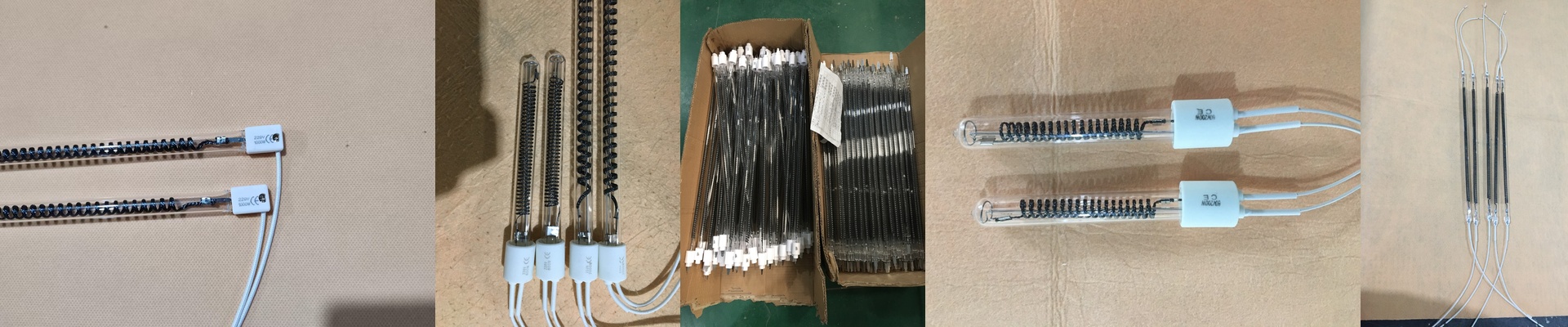
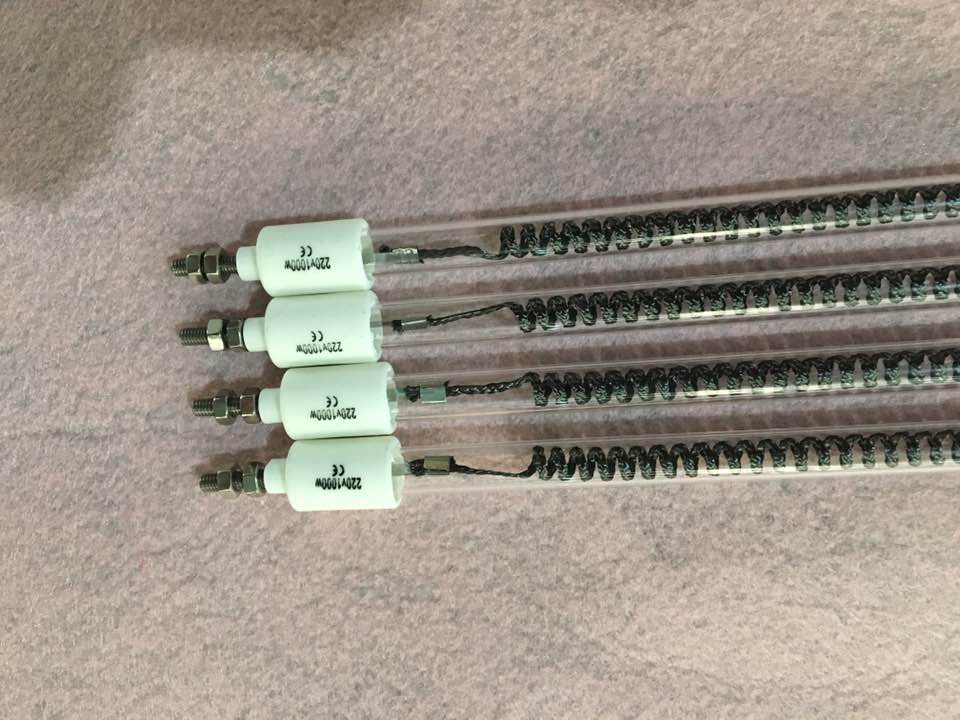
Let’s Talk Carbon Infrared Heat Lamps
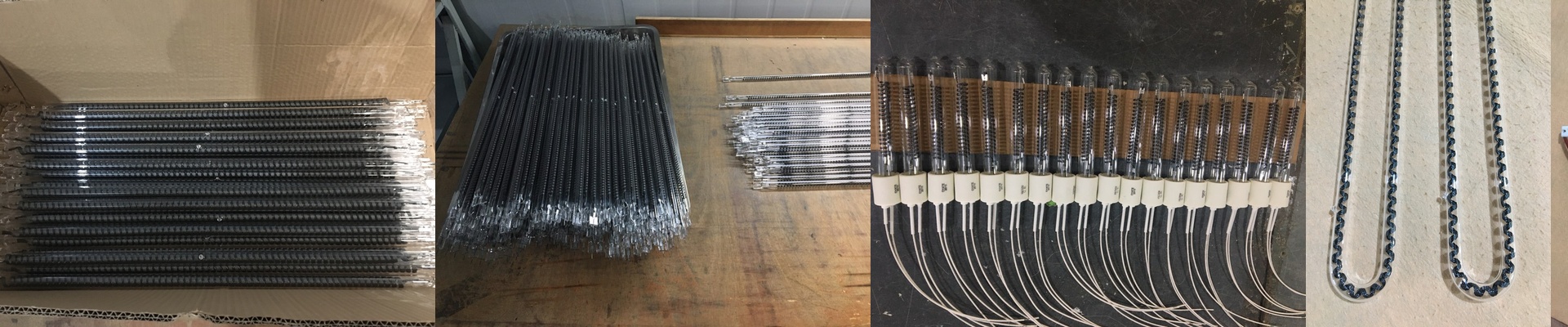
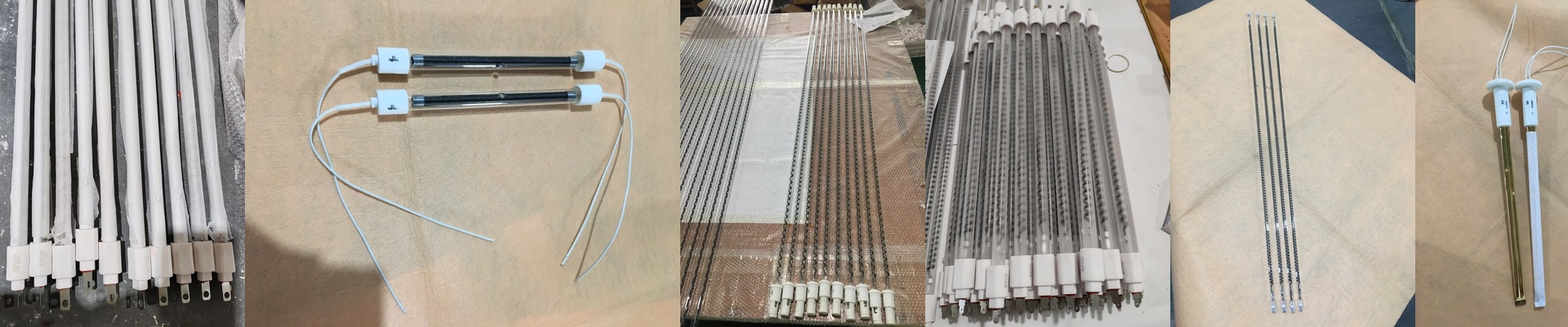
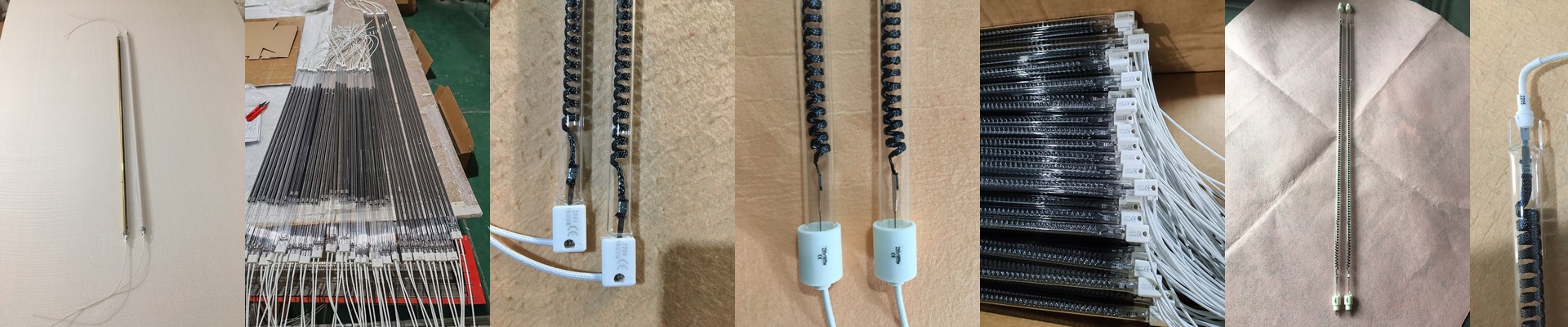
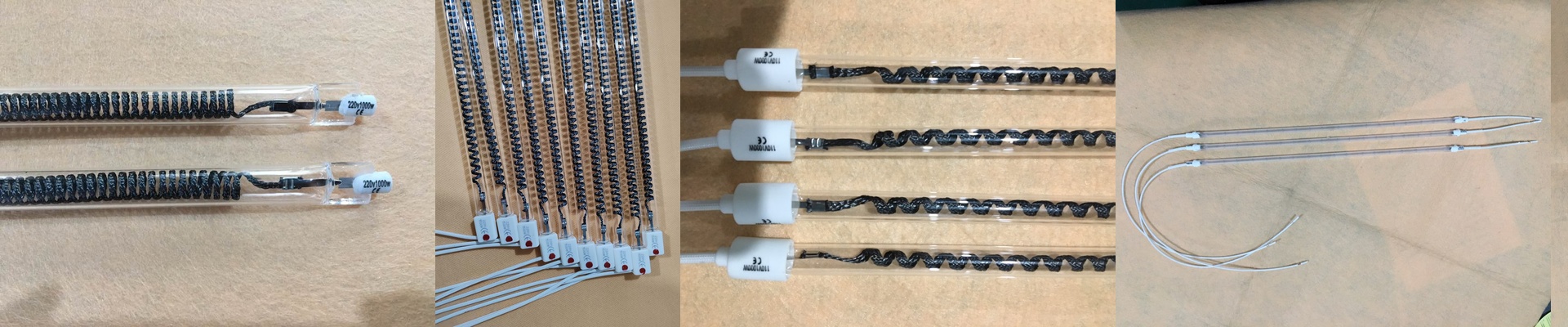
Ever looked at a standard metal heating coil and thought it was just… slow? That’s where carbon infrared lamps come in. Instead of those old-school coils, these use a carbon-fiber filament tucked inside a quartz tube. The magic here is that they don’t need to get screaming hot to work. They pump out medium-to-long wave radiation that hits your target hard and fast. If you need a massive burst of heat right now, this is your best bet. Getting the power right (so you don’t blow anything up) Here is the thing: these lamps are picky about their electricity. We figure out the specs based on how much heat you need per millimeter, but you’ve got to be careful with the voltage. If you plug a 230V lamp into a 400V circuit?**Pop.**It’s gone in a heartbeat. But if you under-power it, you’re just wasting time because the heat won’t actually penetrate the material. Just make sure your wattage matches your power supply and you’ll be golden. The build and the “extras” We use quartz glass because it lets the IR radiation slide right through without soaking it up. To make your life easier, we stick to standard connectors like R7s or Sk15. That way, you can just swap them into your existing setup without a headache. Now, some of these have special coatings. They shift the emission spectrum to hit specific materials harder. It’s great for cranking up the surface temp, though it might wear out the quartz a bit faster. It’s a trade-off, but usually worth it for the results. Real-world use and the “catch” You’ll see these all over the place in PET blowing and plastic curing. They pack a huge punch in a tiny space. But there’s a catch. All that intensity creates a lot of heat—not just for the product, but for everything around it. You can’t skimp on your cooling fans or ventilation. If the air inside the housing gets too stagnant, you’re looking at cracked quartz or, even worse, melted wiring. My advice? Throw in some thermal sensors. It’s a cheap way to make sure your machine doesn’t overheat while it’s idling between cycles.