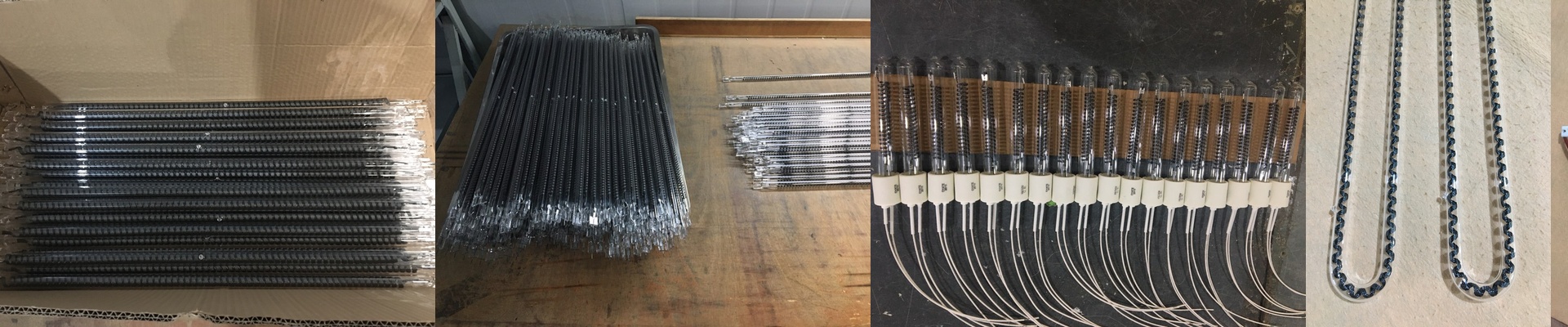
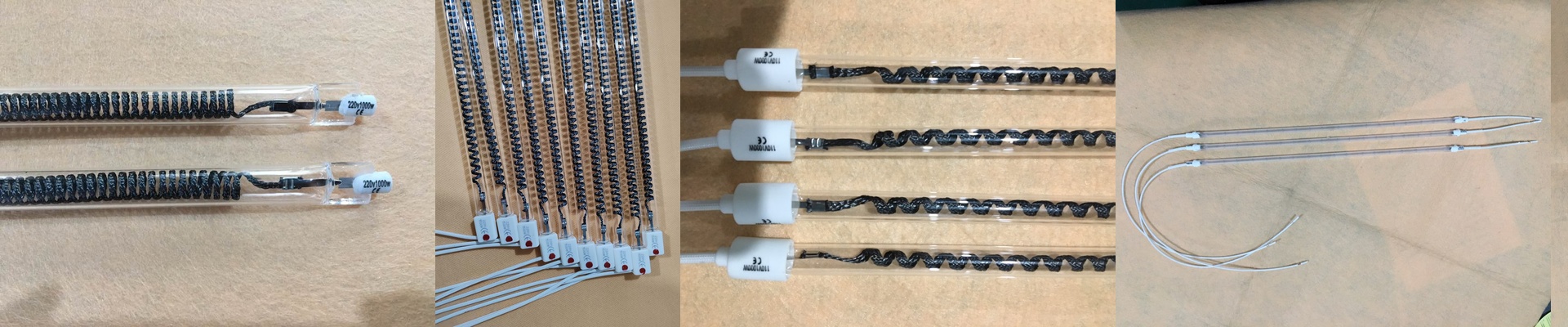
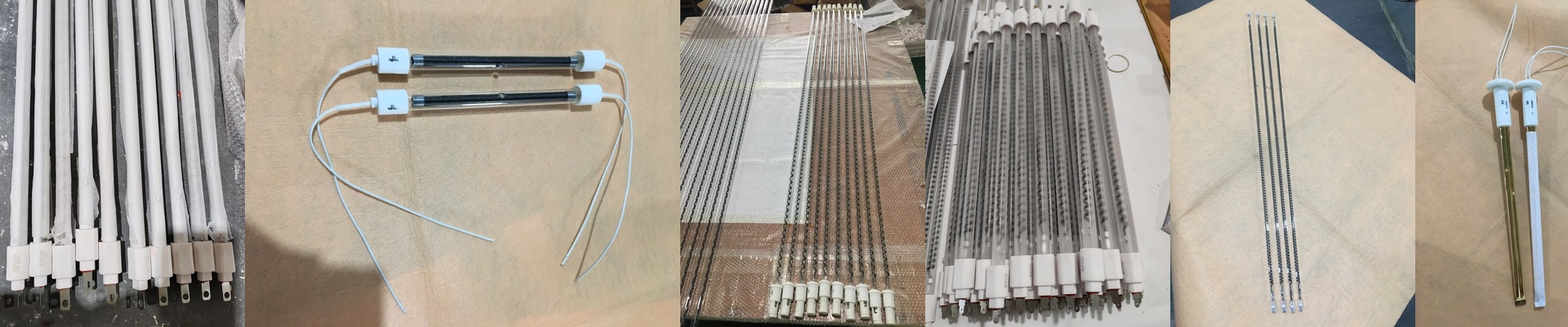
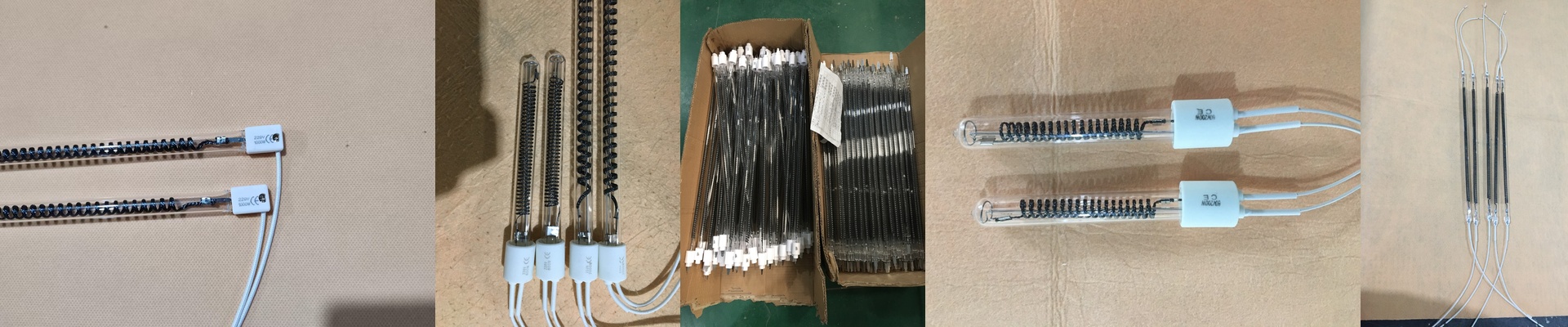
Let’s Talk Carbon Fiber IR Lamps
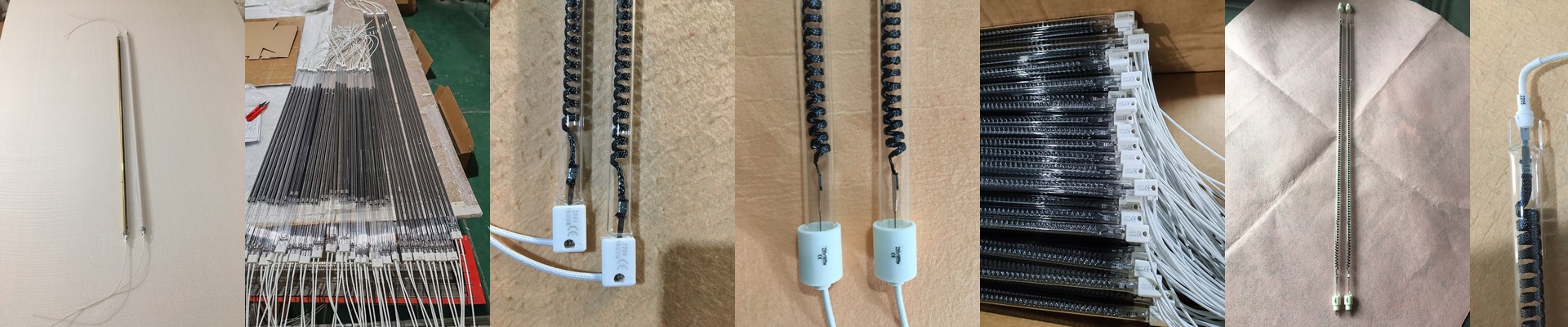
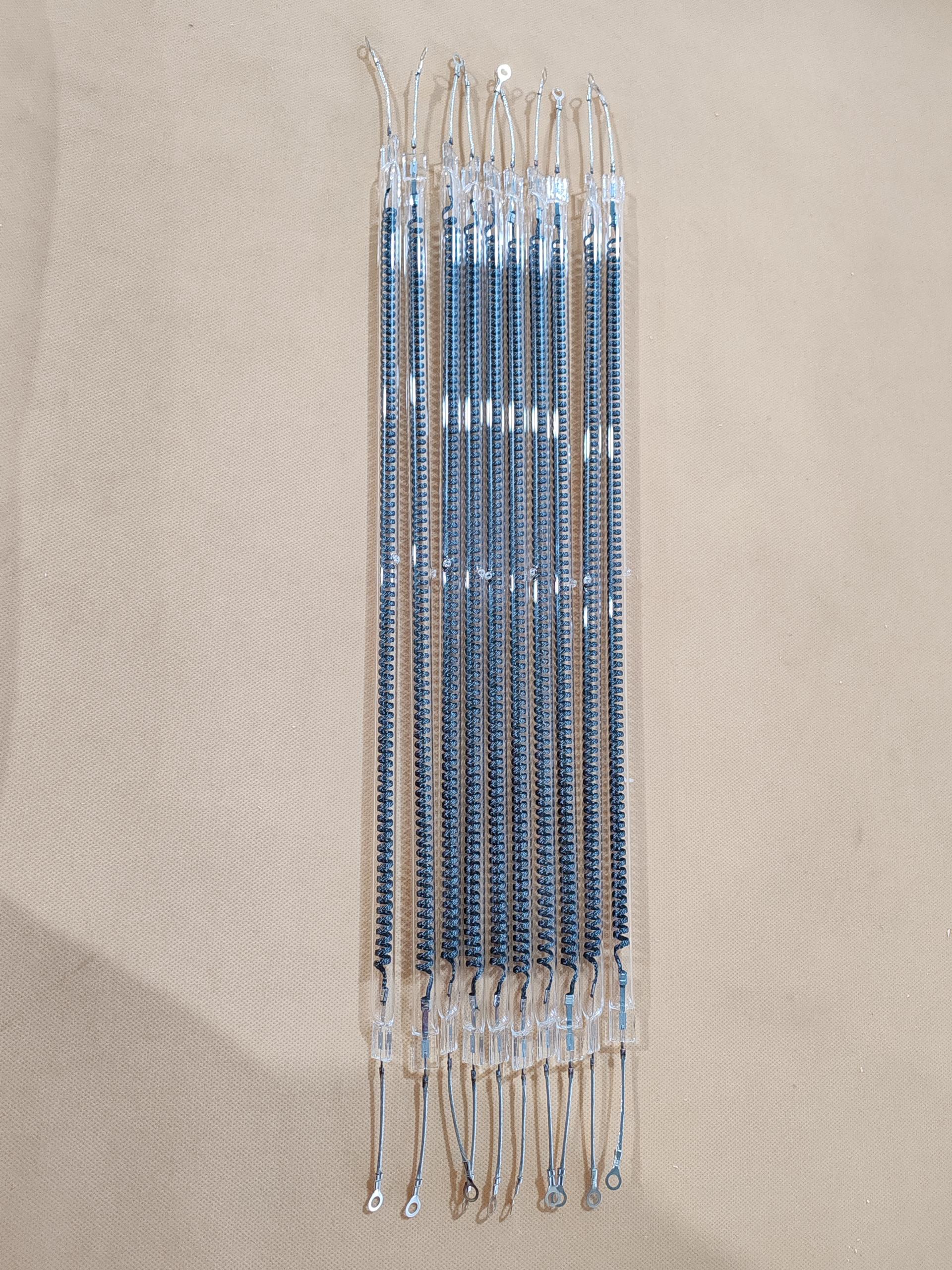
If you’ve ever dealt with old-school metal alloy coils, you know the drill. They get scorching hot, but a lot of that heat just floats away into the air. Carbon fiber lamps are different. We wrap a carbon filament in high-purity quartz glass, which changes the whole vibe of how heat moves. Instead of just warming up the air around it, these lamps beam heat directly into your target. It’s a much more direct hit. The balance of power Here is the thing: you can’t just crank the wattage without thinking about the space. We design these tubes with a specific wattage-to-length ratio so the glass doesn’t actually start to soften. If you go for a high-density lamp, give it some breathing room. If you cram them too tight into a small housing, you get “heat soak.” That’s a fancy way of saying the electrodes get cooked and burn out way sooner than they should. Why quartz and carbon? We use quartz because it doesn’t warp when things get hot, and it lets the IR light pass through without blocking it. The carbon fiber is the real star, though. Unlike metal, it doesn’t “sag” after you’ve cycled the power a few hundred times. It stays put. Depending on your setup, we can swap out the connectors—R7s or Sk15 are the usual go-tos for industrial ovens. And if you’re wasting too much heat on the machine chassis, we can add a gold or aluminum coating to the glass. It basically acts like a mirror, bouncing the energy forward onto your workpiece. Putting them to work You’ll see these all over the place—PET blowing, curing paint, welding plastics. The best part? Carbon fiber ramps up fast. You aren’t standing around waiting for the machine to warm up. But a quick heads-up: these filaments are a bit more fragile than metal. Be gentle during installation. And please, wear gloves. Seriously. The oils from your skin leave fingerprints on the quartz. When the lamp hits full power, those spots become “hot spots” that can actually crack the glass. Also, use high-temperature leads for the wiring. You don’t want your insulation melting into a puddle.