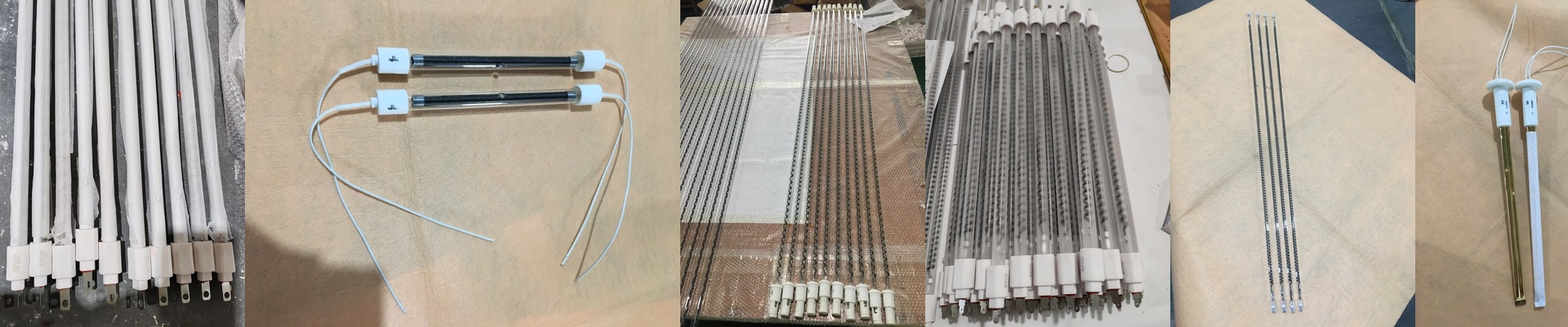
Let’s Talk Carbon Fiber Infrared Lamps
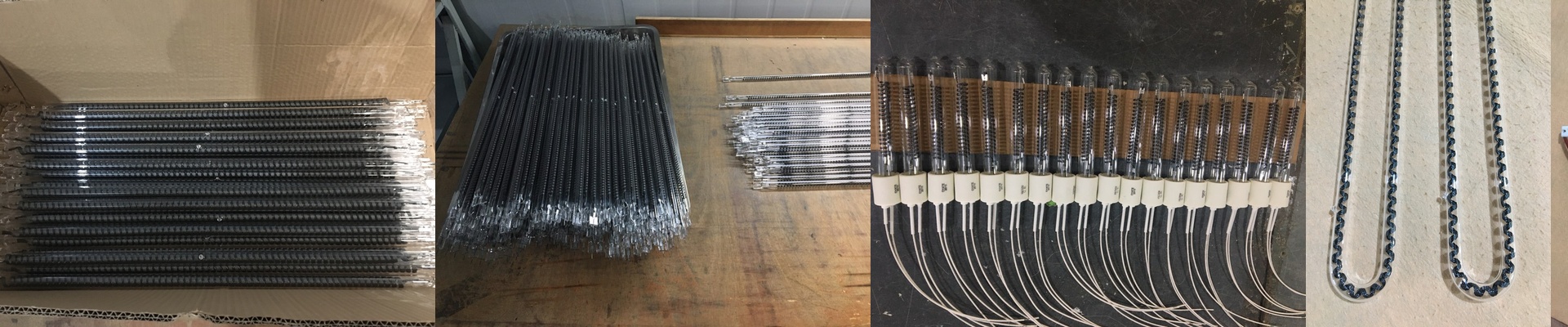
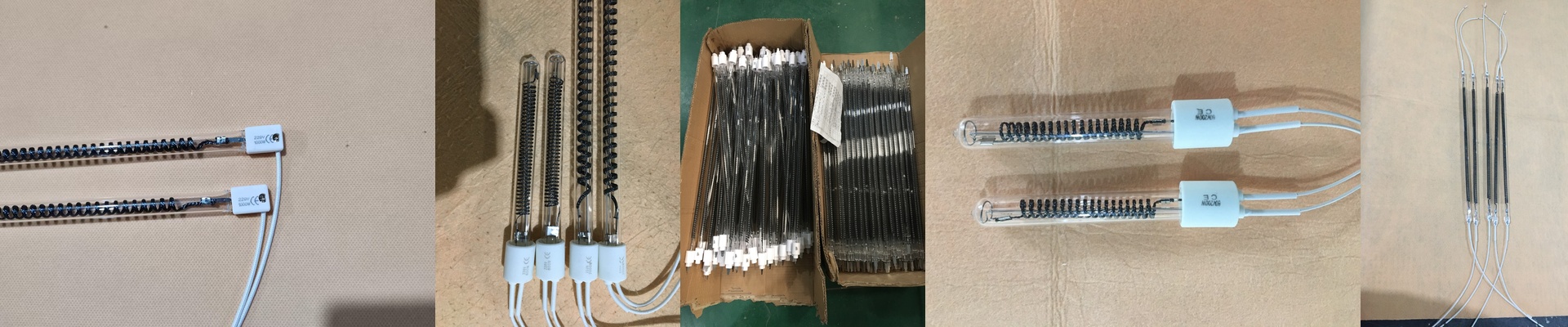
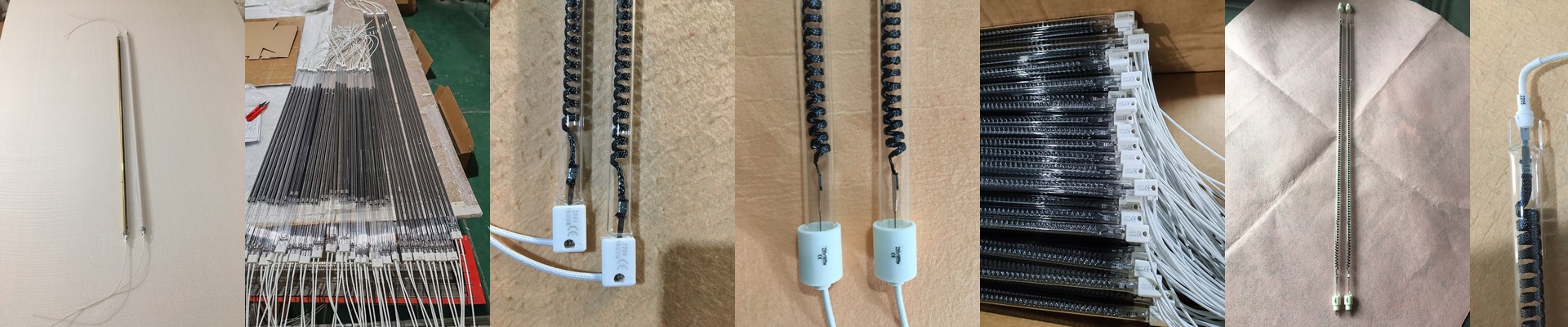
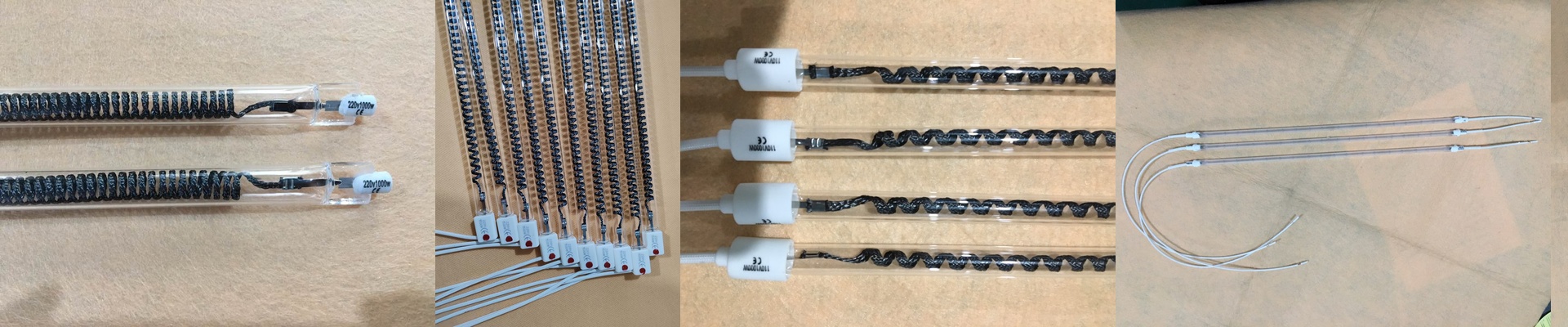
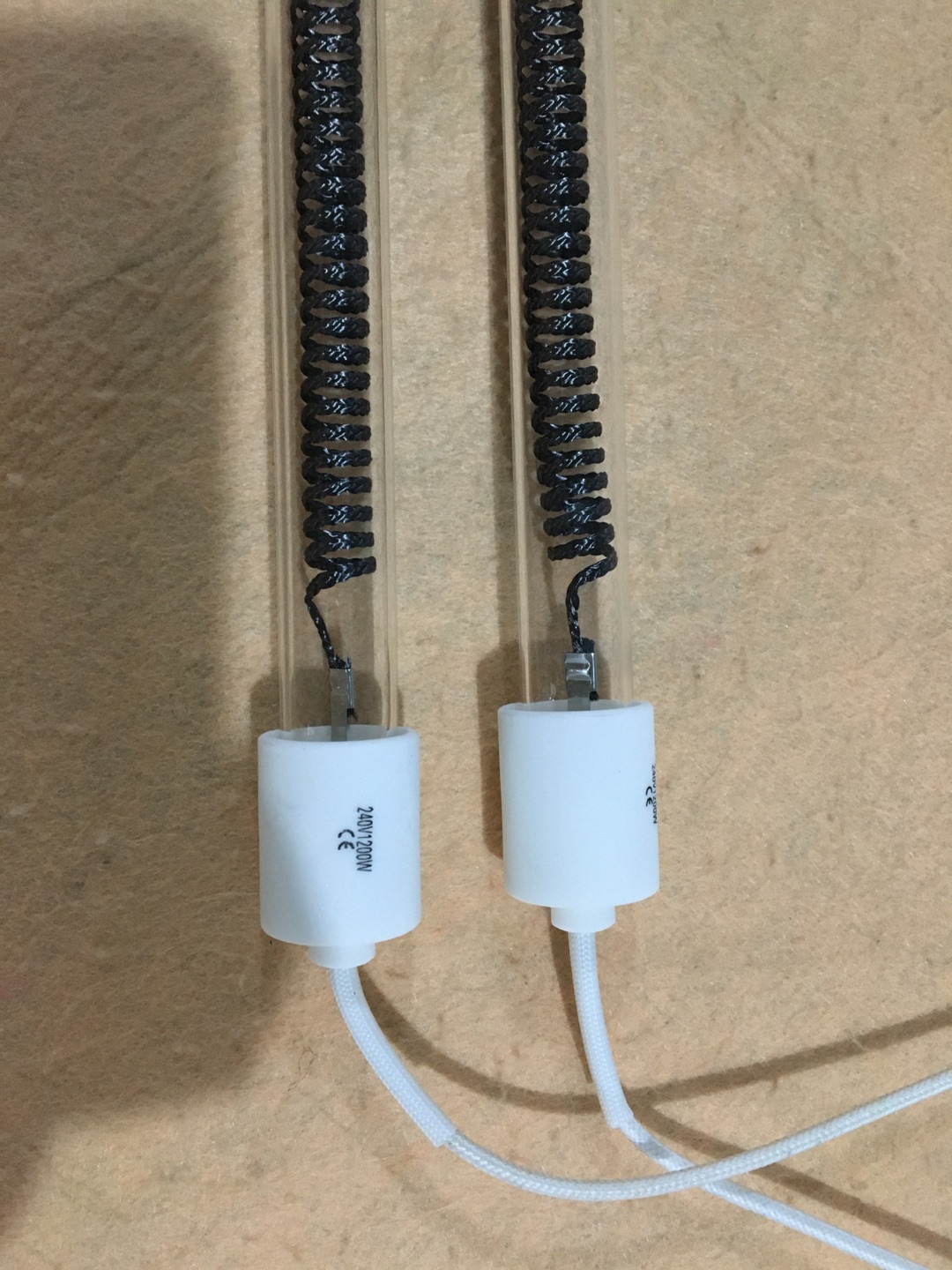
If you’re used to standard quartz halogen tubes, carbon fiber lamps are a bit of a different beast. Instead of that typical tungsten filament, we use carbon fiber. Why does that matter? It shifts the heat. You get more of that medium-to-long wave energy, which is a lifesaver when you’re working with materials that just don’t “take” to short-wave radiation. Dealing with heat and power When we’re figuring out the specs, we look at the wattage per centimeter. The cool thing about carbon fiber is how it spreads the heat. It’s smooth. You don’t get those annoying “hot spots” that usually plague metal filaments. Plus, since the material doesn’t warp under pressure, we can really crank up the heat density. Just a heads-up: make sure your power supply can handle the initial surge when you first flip the switch. Cold starts can be a bit punchy. The build and the “gotchas” We wrap the element in high-purity quartz glass to keep the carbon fiber from oxidizing. We’ve also got a few different end-cap options, so you can usually just swap these into your current setup without a headache. But here is a pro tip: if your gear vibrates a lot, double-check your mounting clips. If they’re loose, the quartz can crack as it expands and contracts. It’s a small detail, but it saves a lot of frustration. Where they shine (and where they don’t) These are the go-to for drying paint, curing adhesives, or PET blowing because the heat sinks deeper into organic materials. But they aren’t perfect. They’re a bit slower to wake up. You won’t hit peak temperature as instantly as you would with a halogen tube. If your process needs millisecond precision, you’ll need to tweak your PLC timing to account for that lag. And please, for the love of your equipment,vent your housing. The heat density is high enough to melt your wiring if the air isn’t moving.