A No-Nonsense Guide to Carbon Fiber IR Lamps
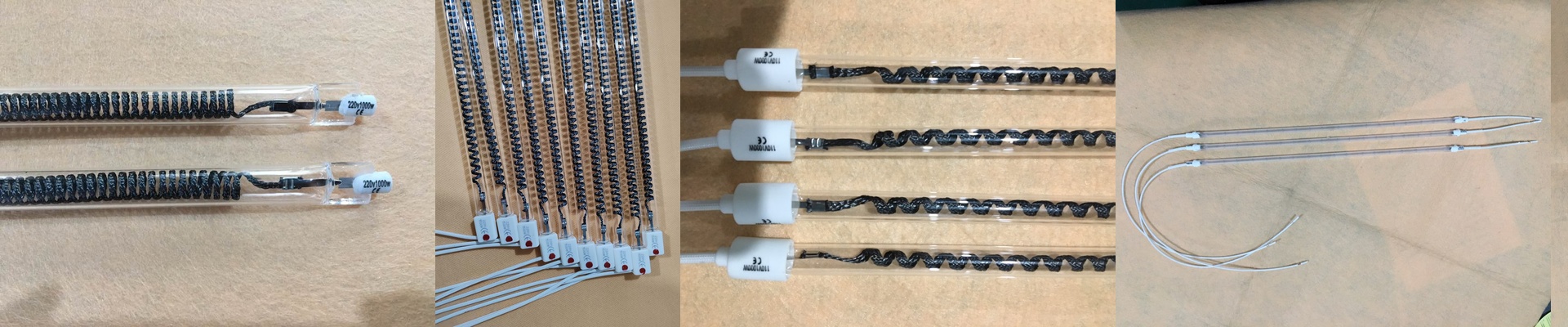
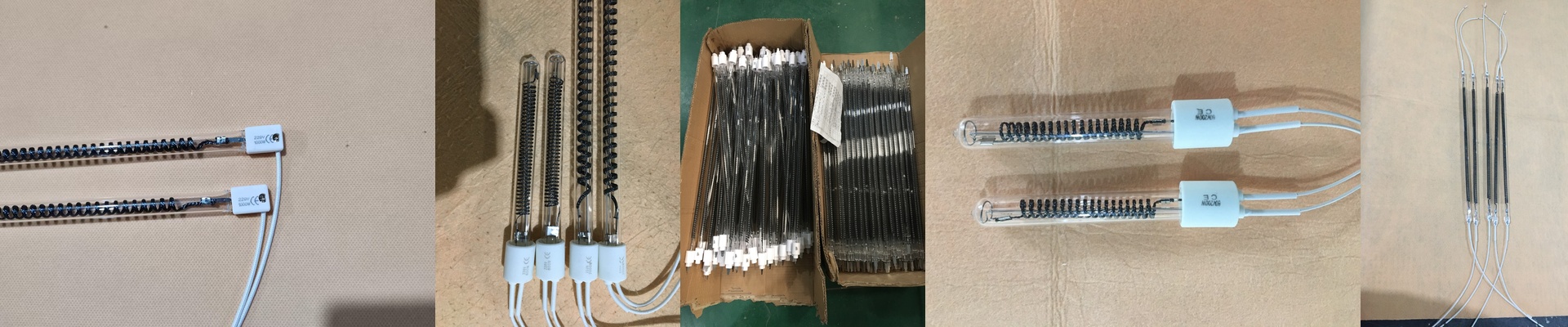
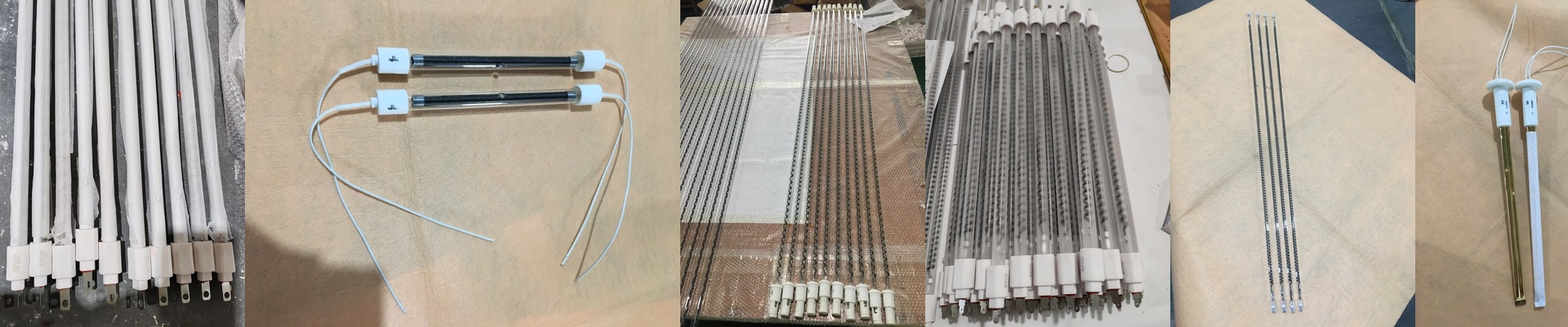
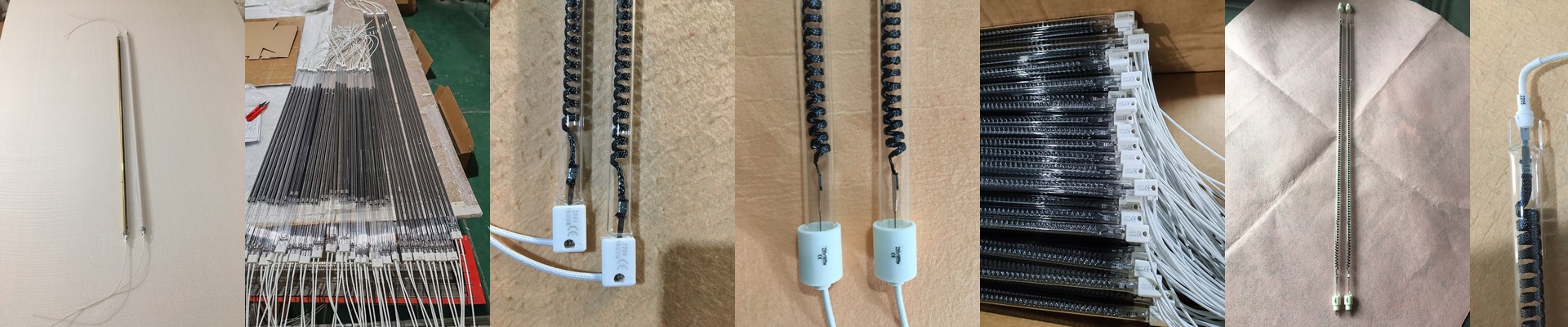
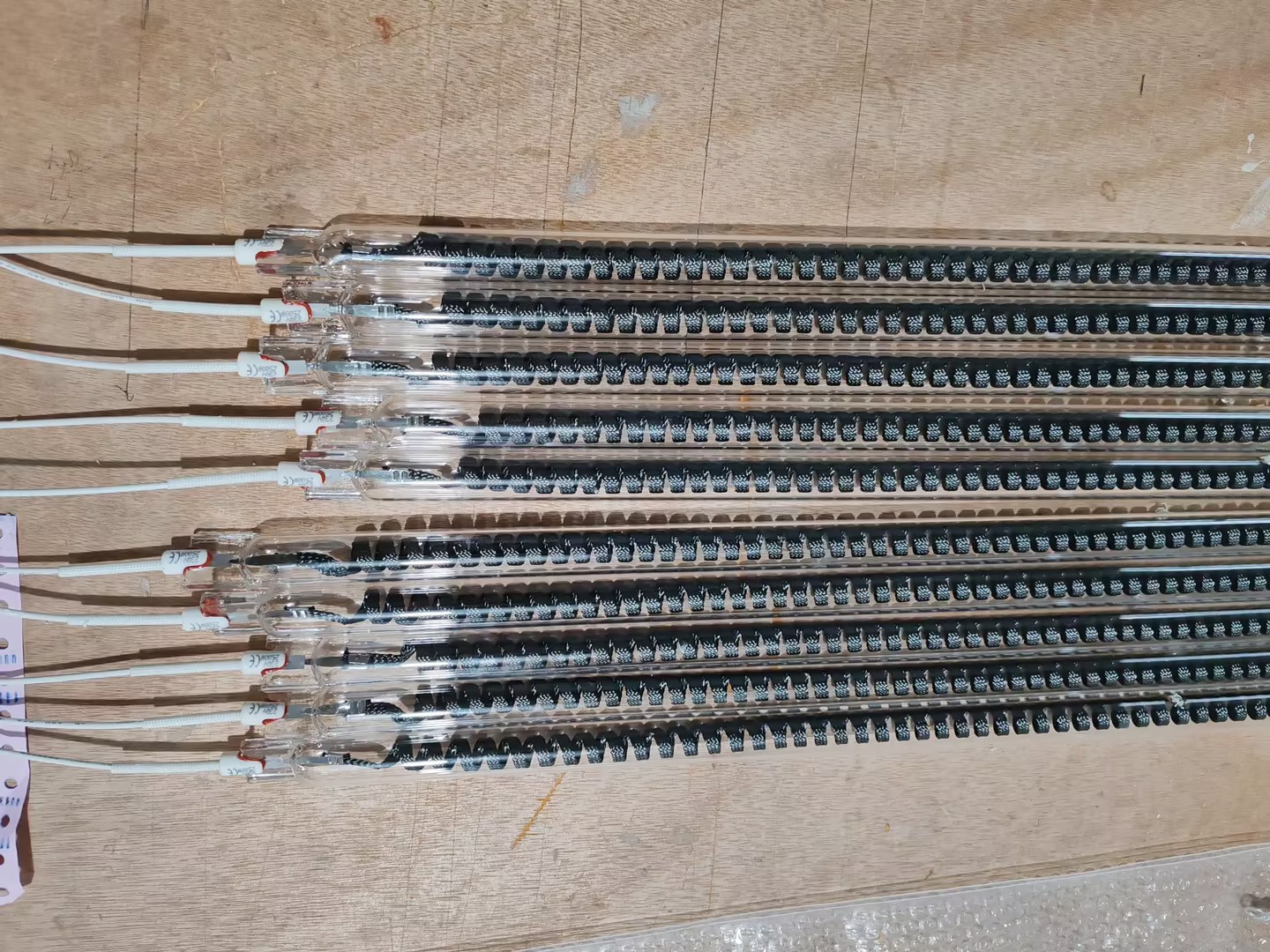
So, let’s talk about carbon fiber infrared lamps. Basically, you’ve got a conductive carbon filament tucked inside a quartz tube. It’s a bit different from those old-school metal alloy filaments. Carbon fiber can handle a lot more current and pushes the heat into that medium-to-long wave range, which is where the real magic happens for a lot of industrial jobs. Getting the power right When we’re picking a lamp for your setup, it all comes down to how much heat you actually need. If you want a faster ramp-up, you go for a higher wattage-to-length ratio. It gets the filament hotter, faster. But here is the thing: you’ve got to be spot-on with your voltage. If you run it too low, you lose that peak emission you’re paying for. Run it too high? You’ll fry the filament in a heartbeat. I always suggest using SCR power controllers. They keep the thermal load steady and stop the system from overshooting the temperature. The build and the “toughness” factor We use quartz glass because it lets the infrared radiation pass through easily and doesn’t crack when the temperature swings wildly. Depending on your housing, we can do R7s or Sk15 connectors. They usually just slide right into most standard industrial heaters without any fuss. And here’s a nice bonus: carbon filaments handle vibration way better than tungsten. If your machinery shakes a lot, these lamps can take a beating and keep on ticking. Where they actually work (and where they don’t) You’ll see these all over the place—PET blowing, curing paint, welding plastics. Because the heat spreads evenly across the whole tube, you don’t end up with those annoying cold spots on your parts. Now, let’s be real about the trade-offs. These are energy-efficient, but they won’t hit the extreme, instant temperatures that short-wave halogen tubes do. If your process needs an immediate thermal shock, these might feel a tiny bit slower. One last tip: keep your reflectors clean. Seriously. A little bit of dust on the mirror kills your heat density. If the mirrors are dirty, the lamps have to work harder and run hotter than they should, which just eats away at their lifespan.