Short-wave vs. Medium-wave: Which IR lamp actually works for your SMT setup?
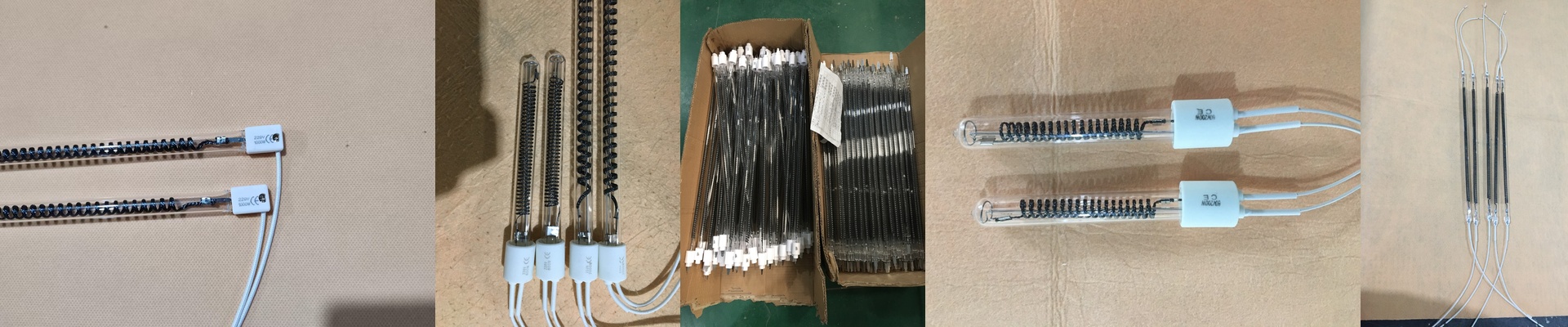
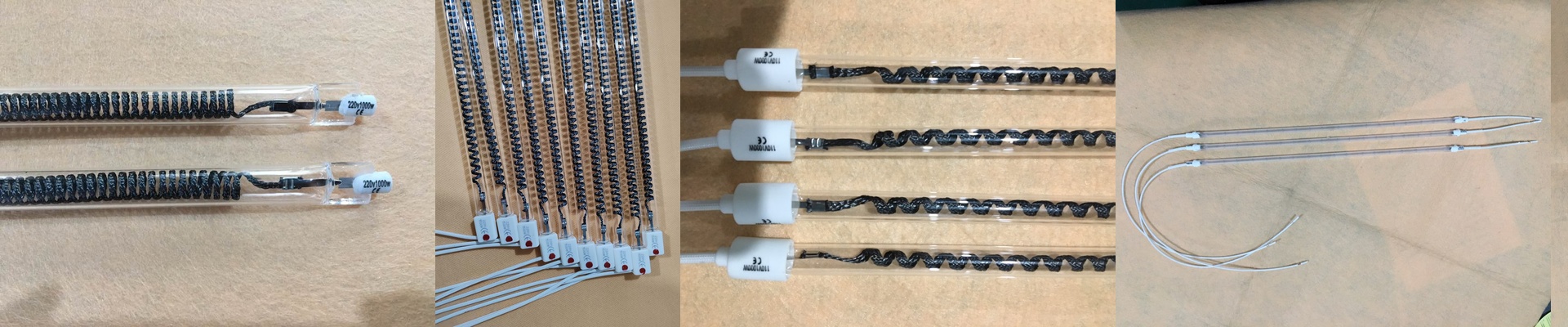
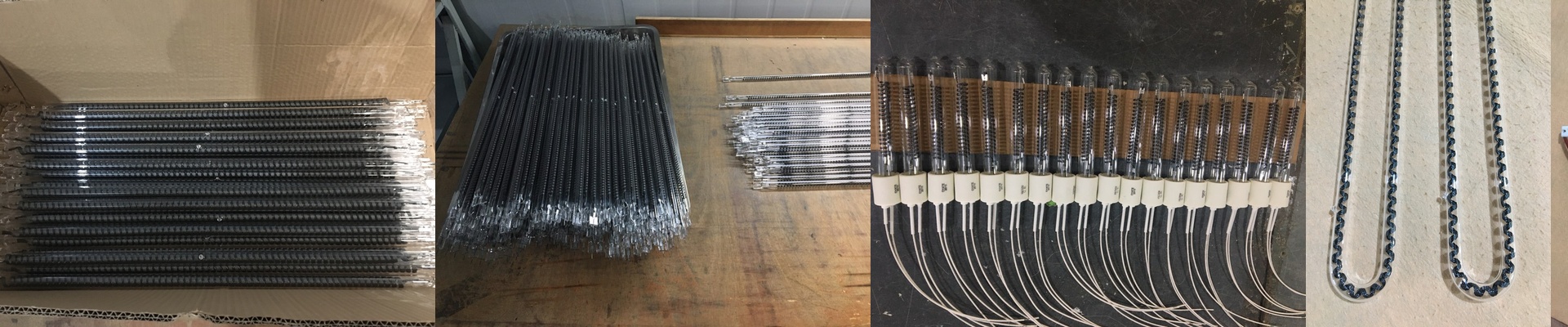
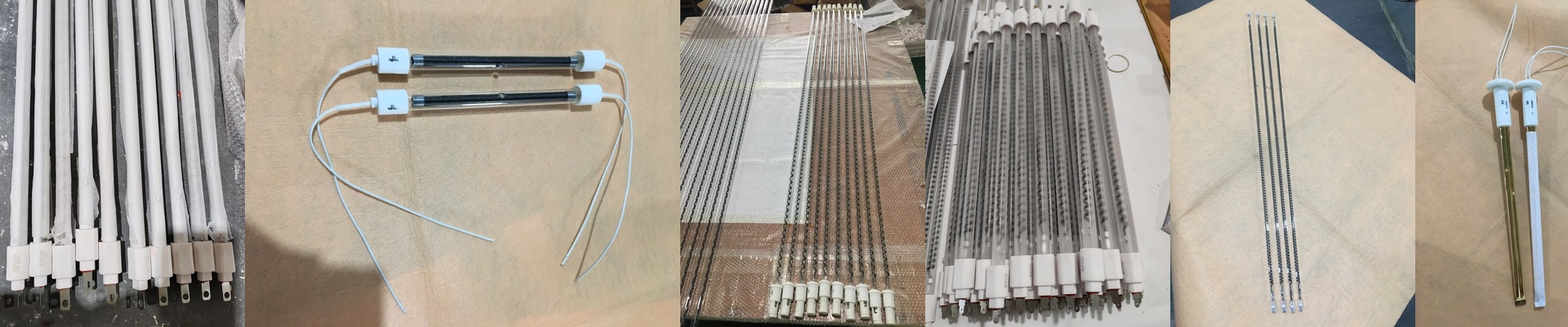
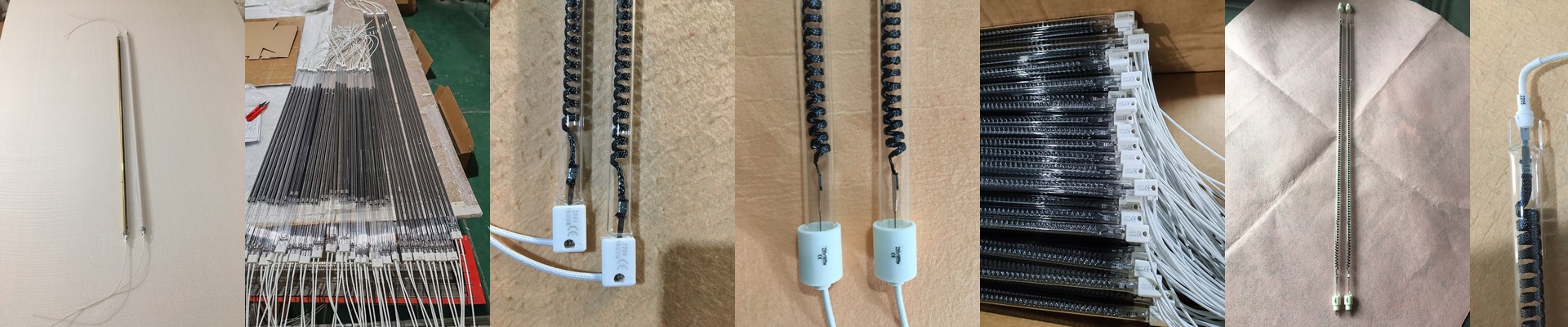
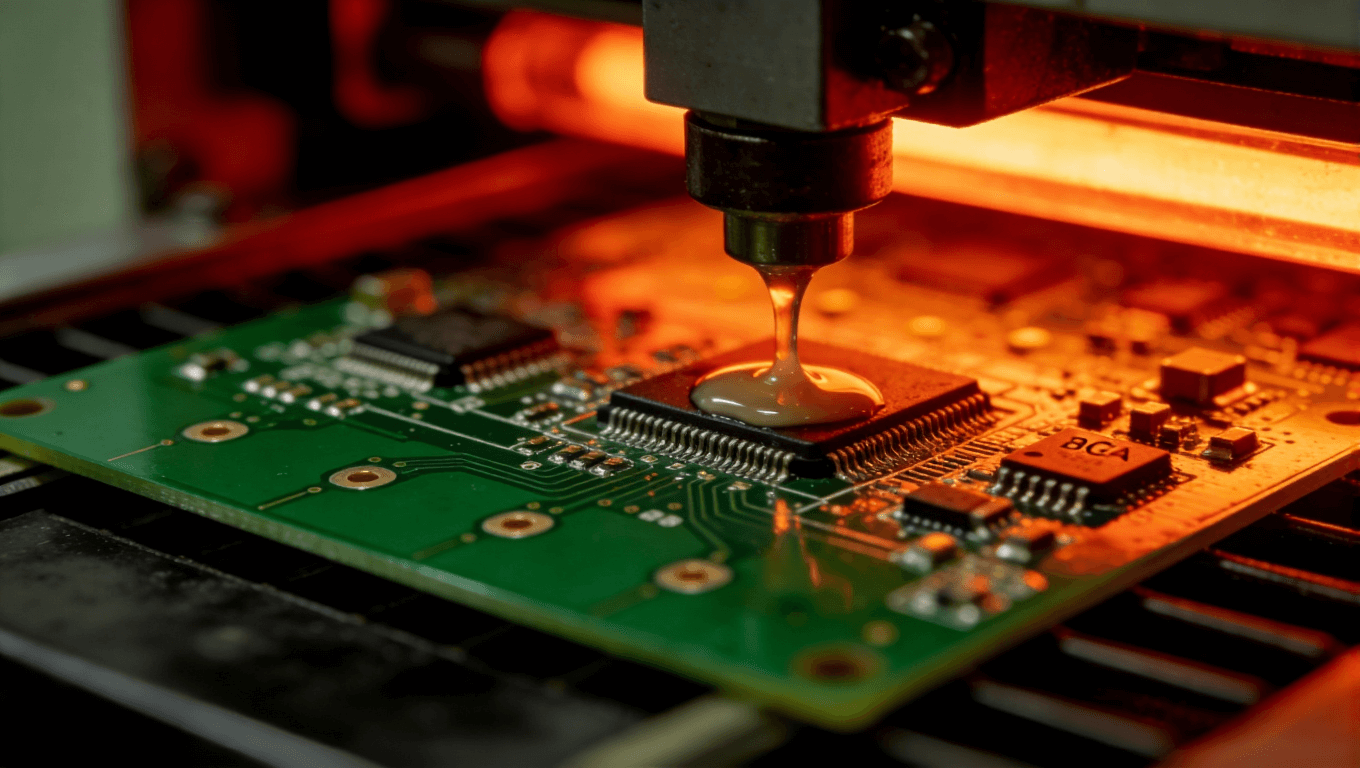
If you’re putting together a heating system for SMT soldering or fixing up smartwatches, you’ll hit a crossroads pretty quickly: short-wave or medium-wave infrared? It sounds like a technicality, but this choice is what decides whether your parts fly through the line or end up as expensive scrap. Both use quartz glass, but they treat your boards very differently. Let’s talk about the heat. Short-wave lamps run hot. Like, really hot. They blast energy that sinks deep into the PCB and the solder paste. It’s the go-to move when you need a fast ramp-up. If speed is your only goal, this is your best bet. Medium-wave is a different story. These lamps run cooler and mostly stick to heating the surface. It’s a gentler approach. You get a much more even spread of heat, which keeps things predictable. The gear behind it. We stick with high-purity quartz for these lamps. Why? Because when you’re cycling temperatures, you don’t want your glass cracking under the pressure. In a typical SMT line, these are usually tubes to make sure the heat hits as much of the board as possible. Just a heads-up: short-wave tubes pull a lot of power to keep that peak wavelength. Make sure your power supply can handle the surge, or you’ll be staring at a tripped breaker. The real-world trade-off. Here is the catch. Short-wave is fast, but it’s risky. If your timing is off by even a few seconds, you can fry your surface-mount components before the solder even has a chance to flow. It’s easy to accidentally “burn out” a delicate part. Medium-wave takes its time. You’ll wait longer to hit that reflow temperature, but you get a much bigger margin for error. It’s a lot more forgiving. If you’re pushing high volumes on an SMT line, short-wave is how you shave seconds off your takt time. But for smartwatch repair—where everything is packed tight and one mistake ruins the board—medium-wave stops things from spiraling into thermal runaway. Just keep in mind: if you go the fast route, you’ll need a rock-solid cooling system and sharp sensors. Otherwise, you’re just asking for a warped board.