Making SMT Infrared Heating Actually Smart
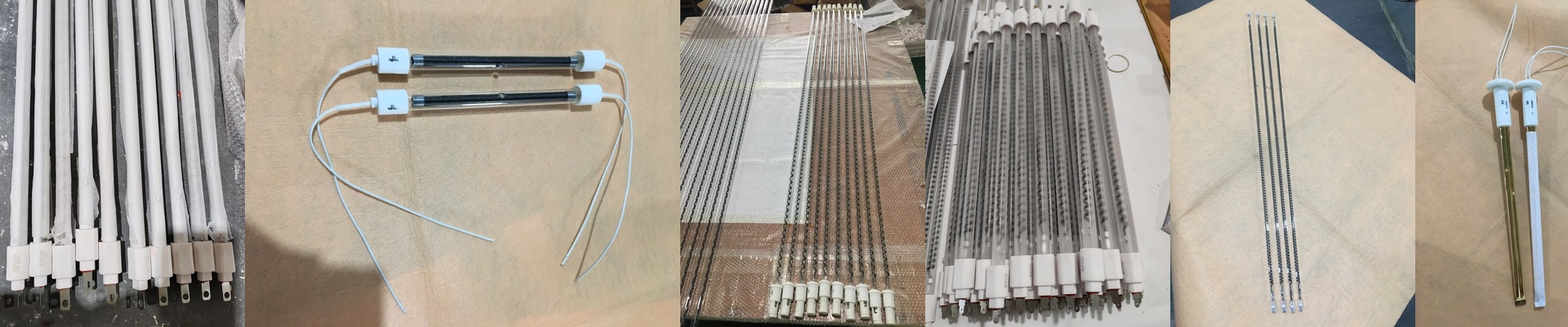
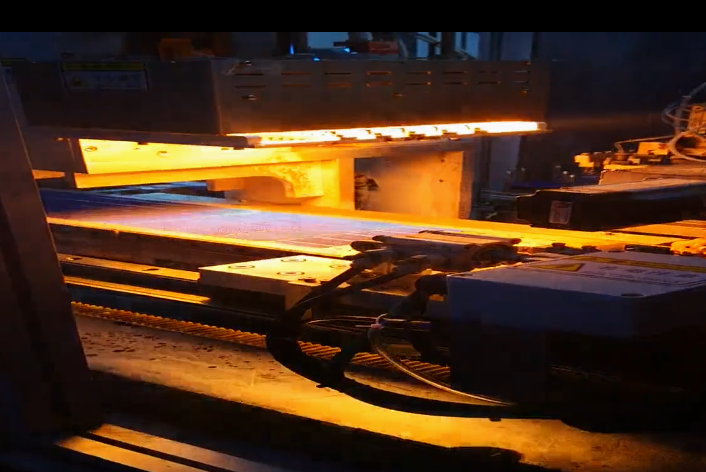
Most IR lamps in SMT lines are pretty basic. You plug them in, set a timer, and just pray the heat stays consistent across the whole board. It’s a bit of a guessing game. But things are changing. We’re finally moving away from simple heating elements and toward lamps that actually act like sensors. Stop guessing, start knowing Right now, most lamps run on an open loop. That’s a fancy way of saying they just blast heat and hope for the best. If a tube burns out or the filament starts to go, you won’t know until you start seeing cold solder joints. That’s a nightmare. But when you bring IoT into the mix, the lamp starts talking back to the PLC. We can monitor the current in real-time. Instead of wondering if the surface temperature is right, the lamp knows when its own power drops. It flags the problem before you end up with a pile of scrap. The messy part: Hardware Now, putting electronics in a place that hits 800°C is a total headache. You can’t just glue a chip to a quartz tube. To make it work, we have to move the “brains” to the socket or use fiber-optic sensors. It makes the setup a bit more crowded. Your wiring looms get heavier, and you have to use shielded cables so the high-voltage lines don’t scramble the data. It’s a trade-off. You lose that “plug-and-play” simplicity, but you get a level of precision that actually matters. What this looks like on the floor For the engineers, this is the best part. No more taping thermocouples to a test board and running manual profiles. The lamps just tell you the heat flux. If an element is failing, you catch it in minutes. It kills that frustrating “trial and error” phase when you’re tuning a new product run. You’re not just hoping it works anymore—you have a digital map of exactly what’s happening in your thermal zone.