Getting Your IR Heat Right for Electronics Glue
If you’ve ever repaired a smartphone, you know the struggle. You’re fighting against structural adhesives that are basically designed to never let go. To get those glues to soften quickly—without accidentally frying the battery or killing the OLED screen—we use infrared (IR) heating lamps. But here’s the thing: it only works if the lamp and the glue are on the same page.
It’s All About the “Match”
Not all heat is created equal. Think of it like a lock and a key. Every adhesive has a specific “absorption peak.” If you use a lamp with a wavelength the glue doesn’t recognize, the energy just bounces off or slides right through. You’re wasting power and time. When you match the IR band to the molecular vibration of the glue, the magic happens. The energy goes straight into the material. You don’t have to heat up the air or the whole phone chassis. You just hit that glass transition temperature and get moving.
Picking Your Lamp (And the Risks)
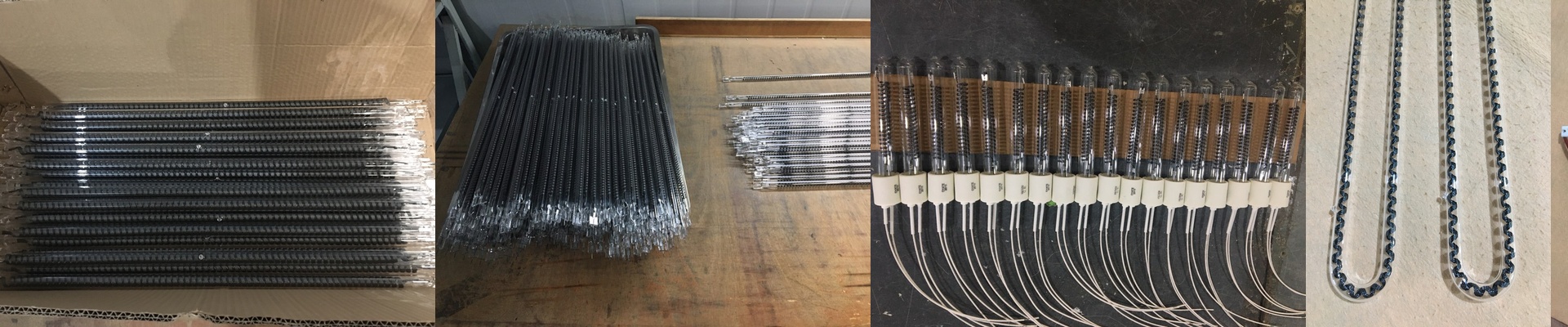
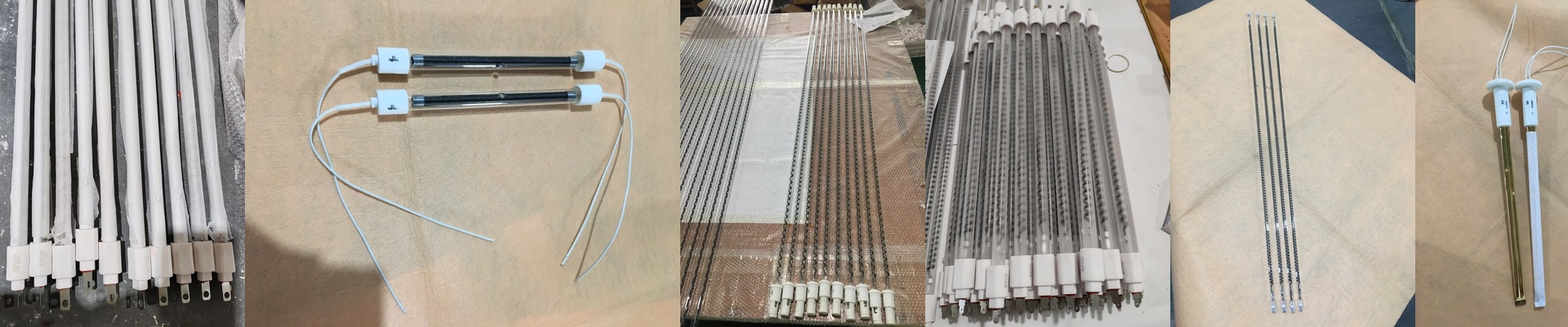
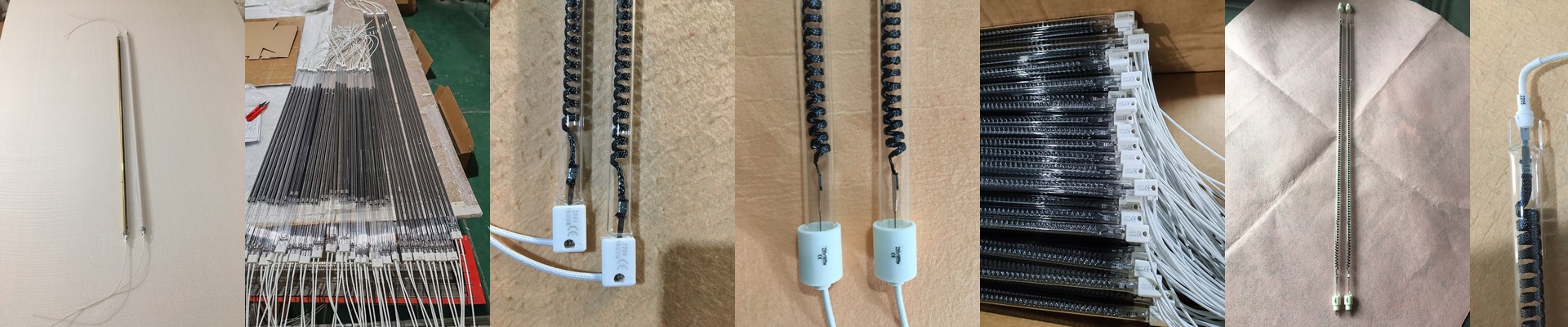
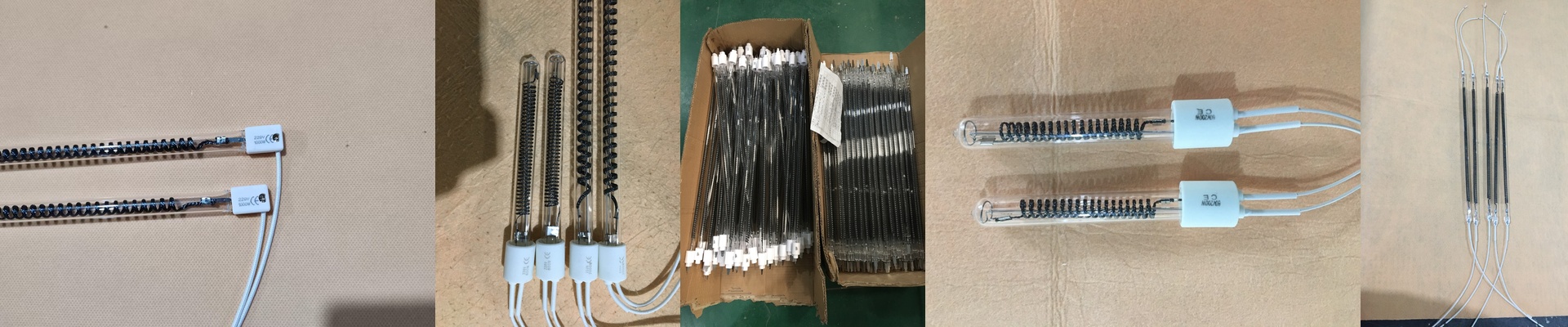
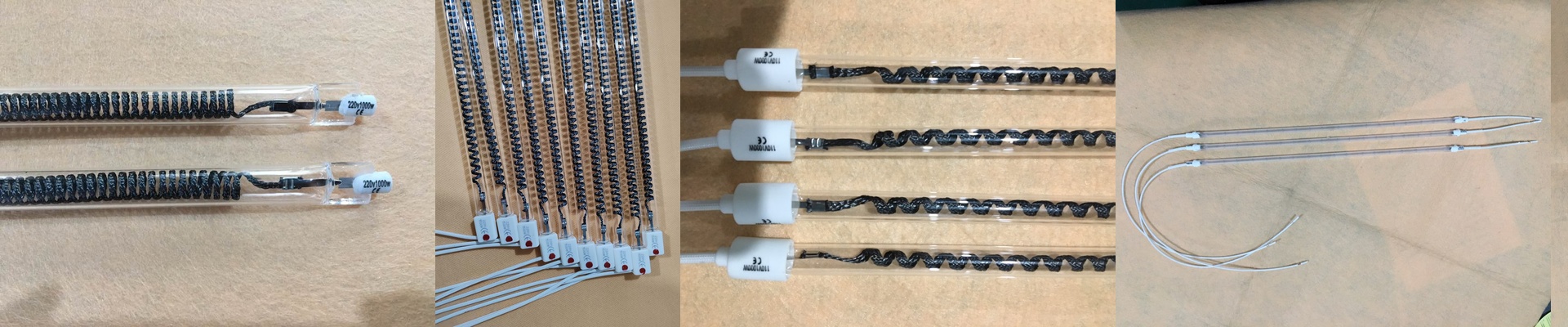
We usually go with short-wave or medium-wave IR. Short-wave is the heavy hitter. It’s fast. Really fast. It gives you that high heat density you need when you’re trying to move through a pile of repairs quickly. But it’s a bit of a double-edged sword. Short-wave IR can penetrate deeper than you might want. If you’re too close or your timing is off, you’re risking a dead screen. You’ve got to be precise with your distance so you don’t cook the organic layers of the display.
Making it Work on the Bench
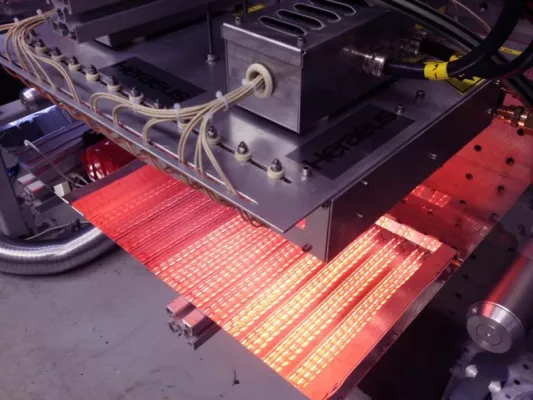
Fitting these lamps into a tight workspace can be a pain. We use focused reflectors to aim the beam exactly where the adhesive seam is. And don’t skimp on the power supply. You need something stable. If the power flickers, the curing gets uneven. That’s how you end up with “patchy” glue, and that’s exactly how screens start lifting a few days after the customer leaves the shop.