Getting the Heat Just Right for Smart Watch Repairs
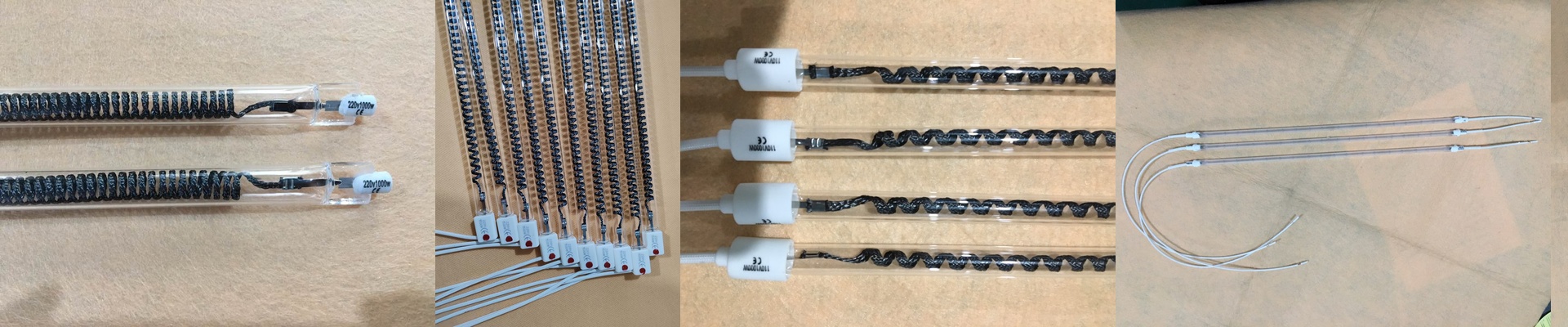
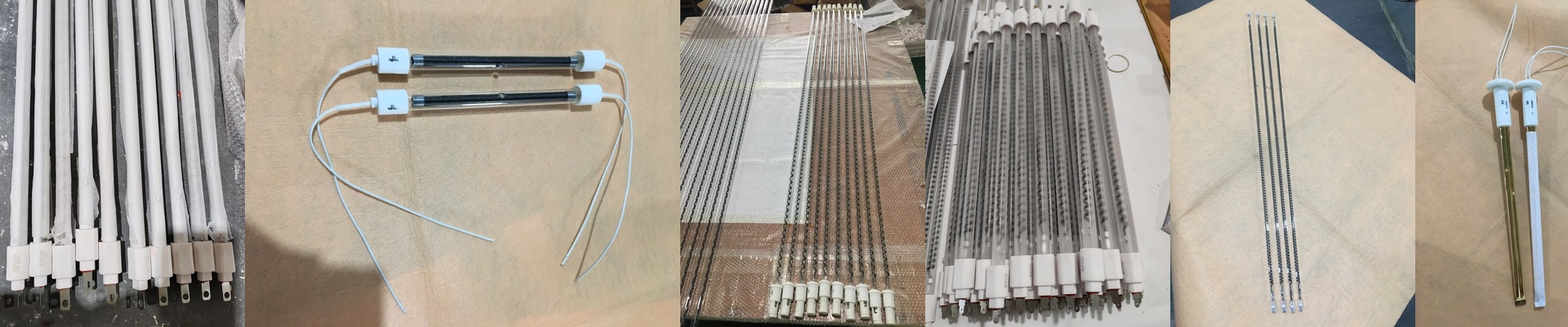
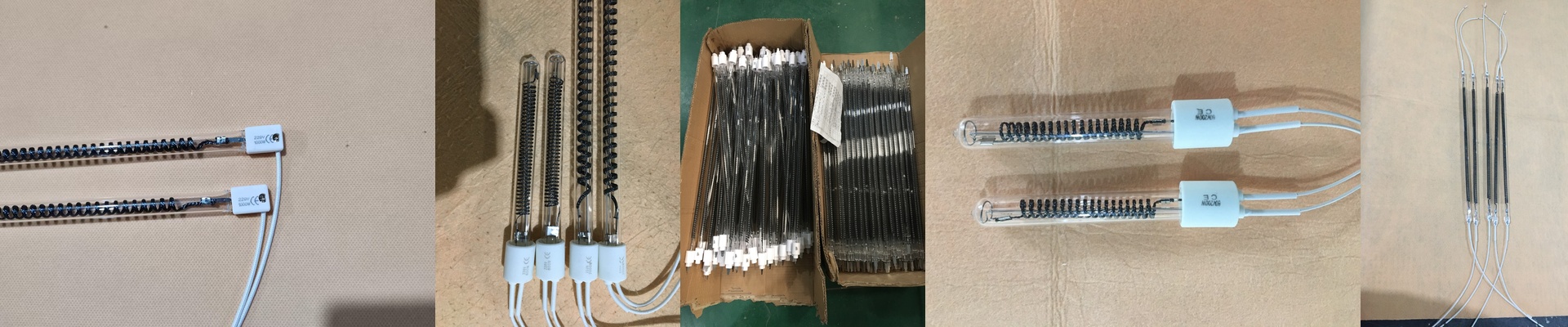
When you’re fixing a smart watch, it’s all about a delicate balance. You need enough heat to melt those stubborn adhesives, but not so much that you fry the OLED screen or pop the battery. We use shortwave infrared lamps for this, but here’s the secret: the lamp itself isn’t doing all the heavy lifting. The real magic is in the reflector. If the shape is wrong, you’re just heating up the air in the room instead of the device on your bench. The shape of the mirror matters Think about it—a lamp naturally throws light and heat in every direction. Without a reflector, half your power is gone before it even reaches the watch. We use parabolic or elliptical shapes to bounce those stray photons right back where they belong. When you tighten that curve, the heat hits the surface much harder. But you have to be precise. If the angle is off by just a few degrees, you’ll get “cold spots.” That leads to uneven heating, and that’s how you end up warping a chassis. Not a great look. Picking the right materials We usually stick with gold-coated or high-purity aluminum reflectors. Why gold? Because it’s incredibly efficient at reflecting infrared light. Polished steel just doesn’t cut it. You want the heat hitting the adhesive, not soaking into the lamp housing. If the reflector absorbs the energy, the whole tool gets hot, and you lose the intensity you actually need for the repair. The trade-off: Speed vs. Precision Here is the tricky part. The more you concentrate the heat, the faster the adhesive melts. Great, right? Well, yes—but it makes your “sweet spot” tiny. With a high-intensity beam, you have almost zero room for error. If you nudge the watch just 5mm off-center, the temperature plummets. You have to find a middle ground between a “laser-focused” beam and a wider spread so it actually works across different watch models. And one last thing: don’t forget the vents. These reflectors are so good at concentrating heat that they can actually cook the lamp assembly if the air can’t move. Keep it vented, or you’ll be replacing your hardware a lot sooner than you’d like.