Stop Guessing Your Lamp Layouts: A Smarter Way to Cure Smart Meter PCBs
Getting the thermal profile just right on a smart meter PCB is a pain. If your lamps are even slightly out of place, you end up with cold spots. Then you’re staring at under-cured solder masks or components that have shifted. It’s frustrating. That’s why we stopped drilling brackets and hoping for the best. Instead, we use digital twins and simulation to map everything out before we even touch a tool.
Getting the Heat Right
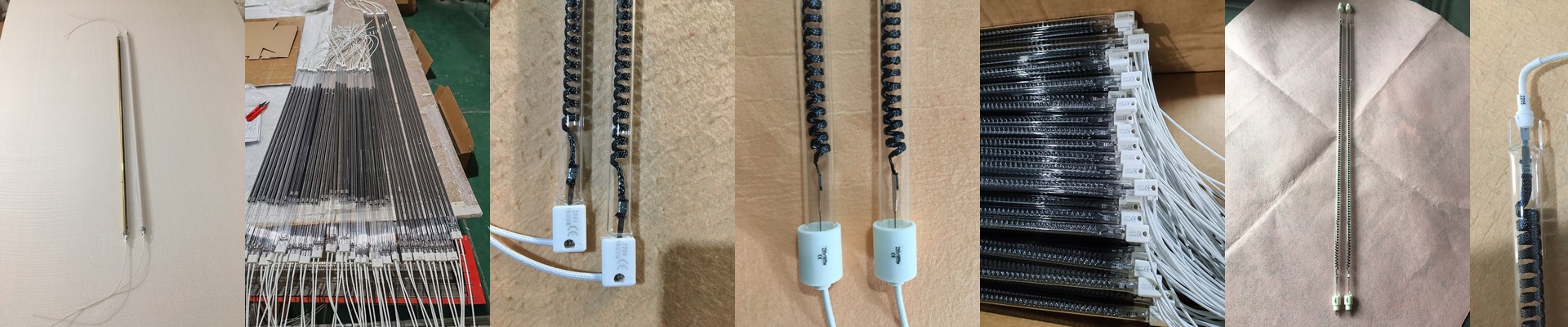
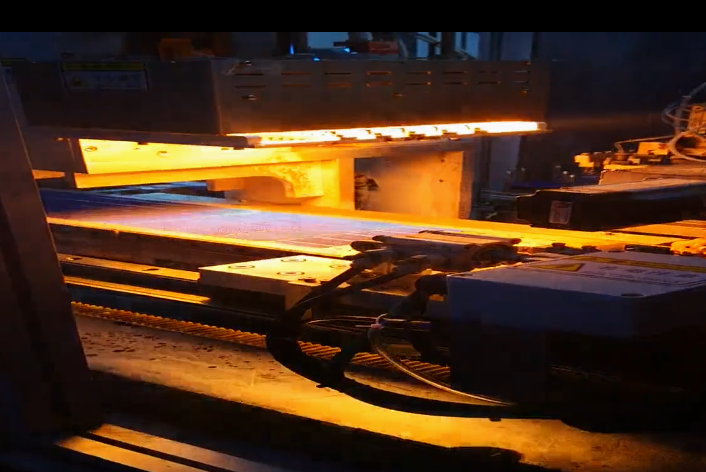
We don’t do “best guesses” with lamp placement. We take the PCB footprint, plug it into a simulation, and see exactly where the heat piles up. The goal is simple: a flat thermal gradient. You want the heat spread evenly across the whole board. When we’re planning the array, it’s all about the overlap of the infrared radiation. Too much overlap and you’ll burn the board. Too little? You’ve got gaps. We use the software to nail down the exact wattage and distance needed. We need to hit the glass transition temperature (Tg) of the resin, but we have to do it without frying the sensitive chips on the meter. It’s a delicate balance.
Solving the Layout Puzzle
Spending days on the shop floor doing trial-and-error is a waste of everyone’s time. Now, we let algorithms handle the lamp angles. We can simulate the radiation path to see if a 45-degree tilt works better than just mounting them overhead. And then there’s the chassis. You’ve got conveyors and fixtures in the way, which create these annoying “dead zones” where the heat just doesn’t reach. The digital twin catches those shadows early. We tweak the positions in the software, lock in the coordinates, and then build it once. Right.
The Real-World Trade-offs
Now, simulation is great, but it isn’t magic. You might be tempted to cram in a high-density lamp array to get lightning-fast cure times. But that puts a massive strain on your power supply and your cooling fans. Plus, if you pack too much heat into one small spot to fix a cold zone, you risk warping the PCB. It’s a tug-of-war. We spend our time balancing the lamp wattage against the belt speed to make sure the thermal stress stays under control. It takes a bit of tweaking, but it beats scrapping a pile of warped boards.