Getting the Heat Right: Smart Meter PCBs and the Art of Lamp Placement
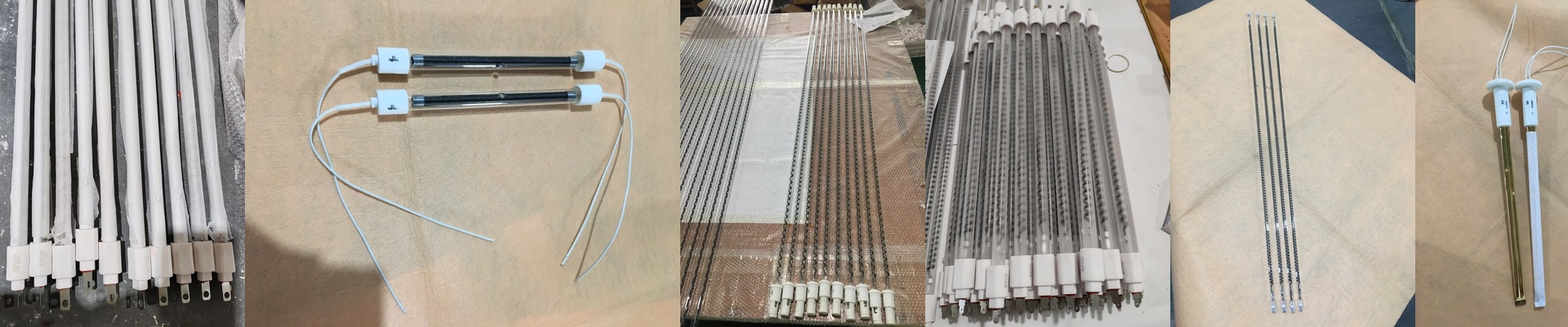
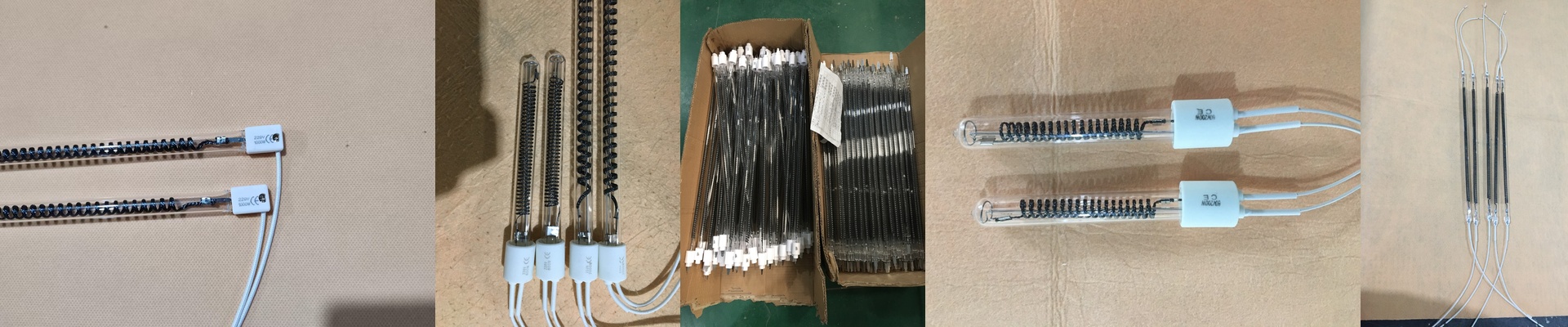
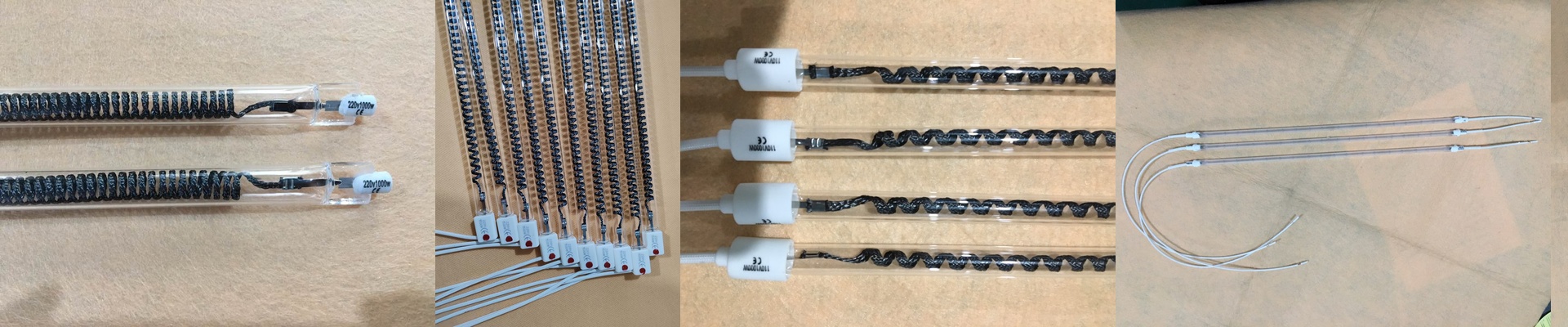
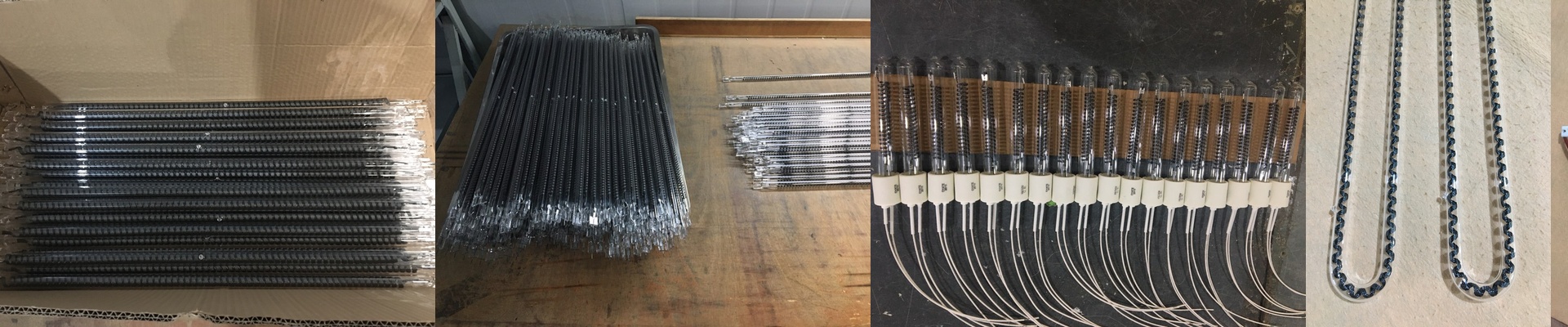
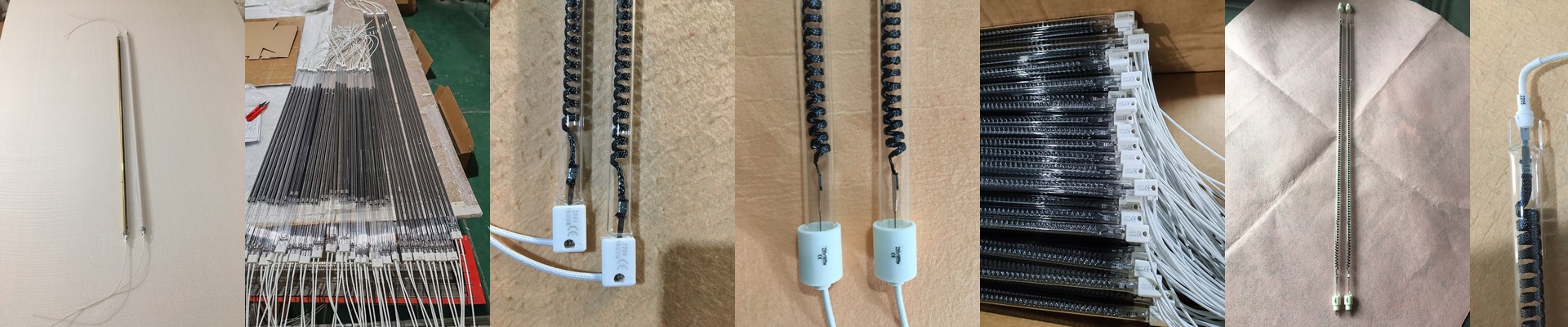
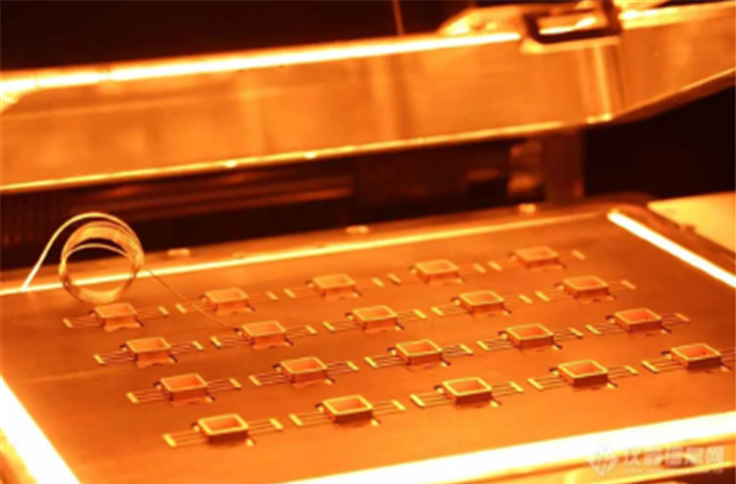
When you’re curing conformal coating or solder masks on smart meter PCBs, you’re basically playing a game of thermal balance. You need the heat to be perfectly even. We use shortwave IR lamps to hit those temperature targets, but there’s a catch: you have to do it without frying the delicate electronics on the board. The real trick isn’t just buying a fancy lamp. It’s all about where you put them.
Why we simulate before we build
I’m a big believer in using digital twins. Basically, we map out the heat flux across the PCB on a screen before we even touch a piece of hardware. Here’s the thing: if your lamps are off by just a few centimeters, you get cold spots. That sounds minor, but it’s a nightmare. Cold spots mean the resin doesn’t cure, and that leads to boards failing once they’re out in the field. By playing around with the angles and distances in a simulation first, we can make sure the heat hits every single corner of the board.
The tug-of-war between speed and safety
High-wattage IR lamps are powerful. They get the job done fast, which is great for keeping the line moving. But if the intensity is too high in one spot, you’ll burn out those tiny surface-mount devices (SMDs) in a heartbeat. It’s a bit of a trade-off. A tight lamp grid cuts your curing time way down, but it cranks up the risk of thermal shock. We spend a lot of time finding that sweet spot where the boards move quickly, but the components stay safe.
When the simulation hits the shop floor
Simulation is great, but the factory floor has its own set of rules. You’ve got to deal with the actual size of the conveyor and the cooling system. And guess what? Those high-density lamp arrays dump a massive amount of heat into the oven chassis. If your ventilation isn’t up to the task, the ambient temperature just keeps climbing. Once that happens, you lose control of your curing profile. My advice? Don’t trust the software blindly. Toss in some real-time sensors during the first production run to see if the reality actually matches the prediction.