Getting the Most Out of Your 2500W Carbon Infrared Lamps
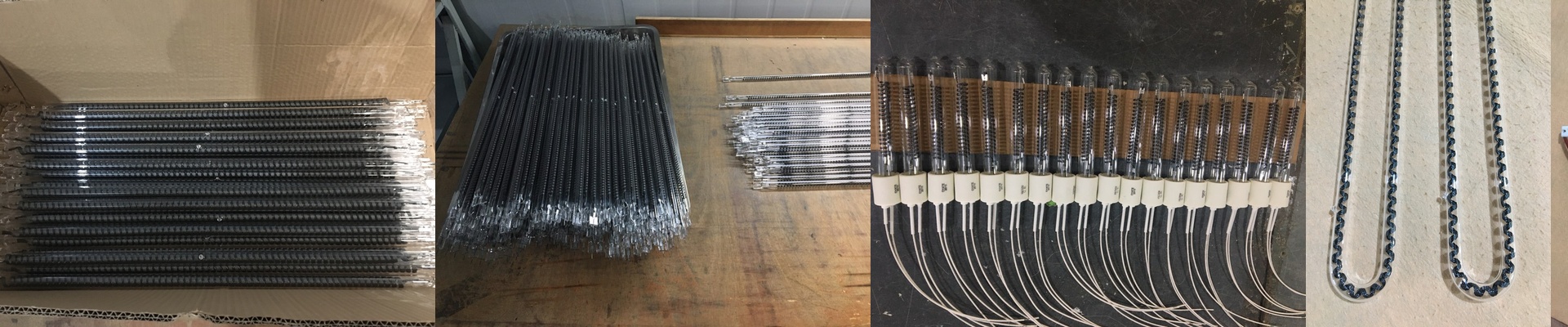
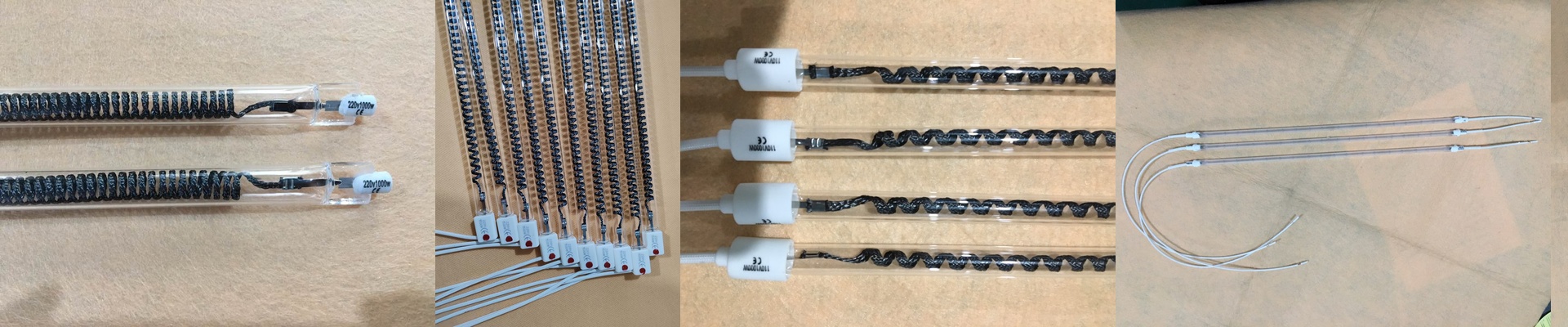
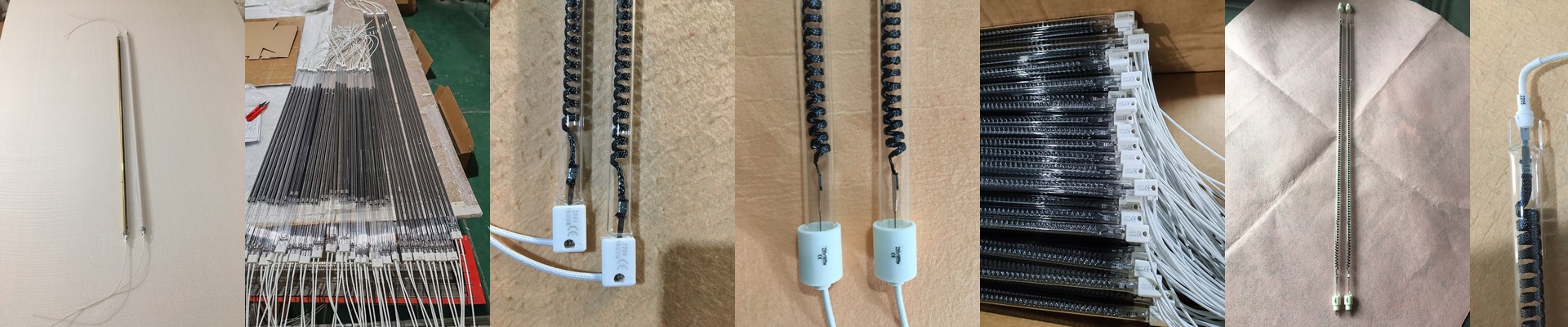
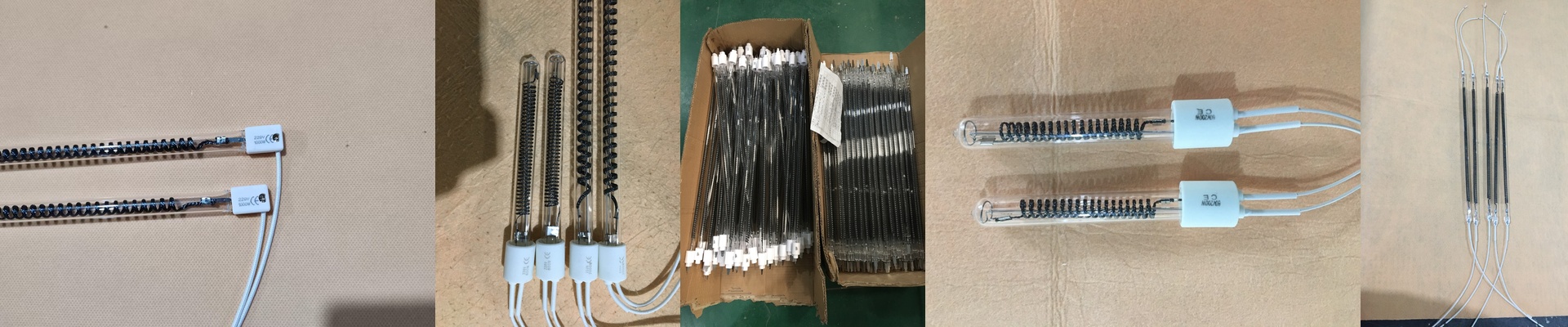
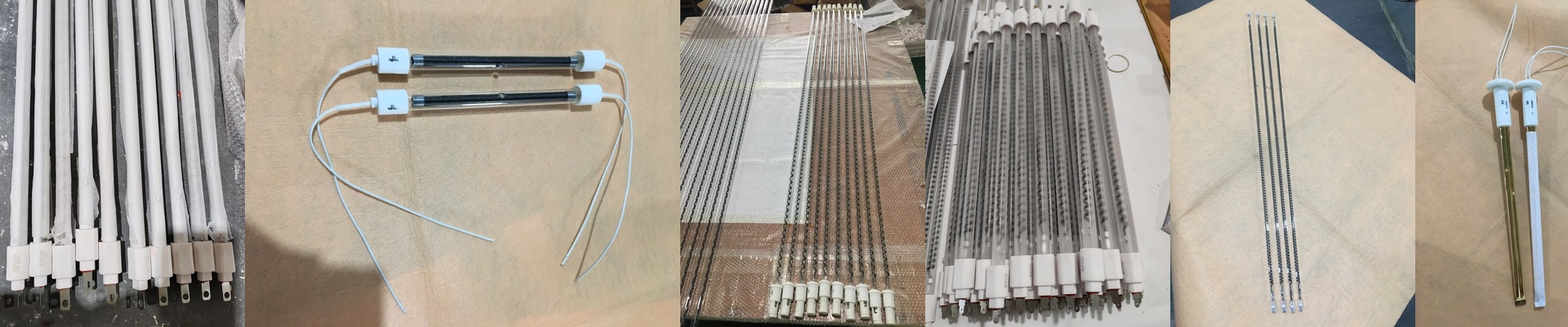
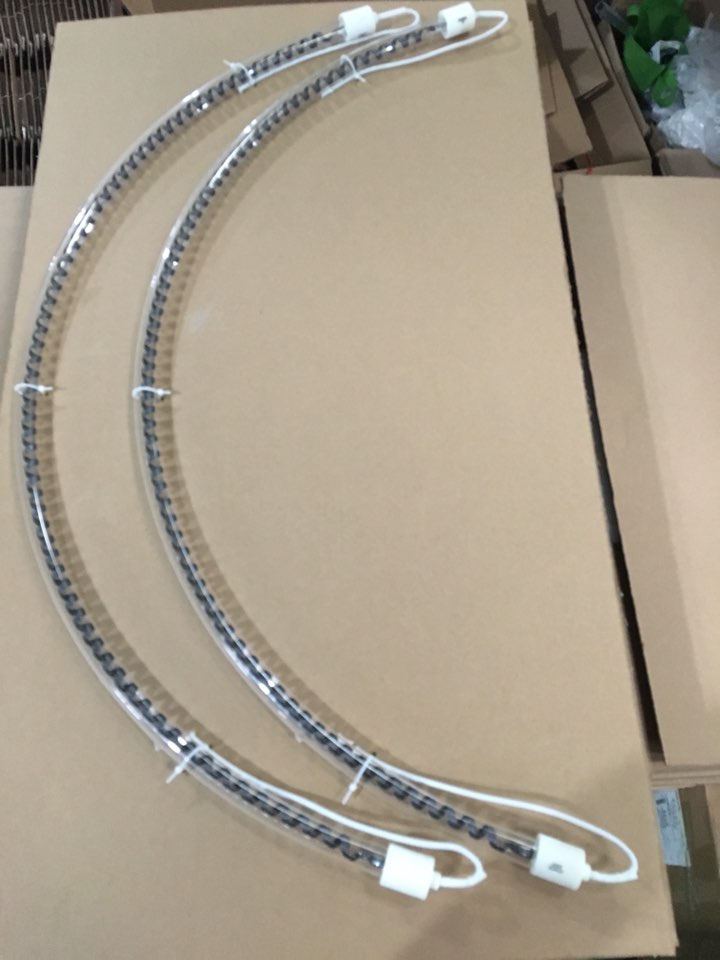
When you’re dealing with heavy thermal loads and you absolutely cannot afford to wait for things to warm up, these 2500W carbon lamps are the way to go. They aren’t your typical resistive heaters. Because they use a carbon-based filament, they push out short-to-medium wave radiation. In plain English? The heat actually sinks into your materials way faster than those old-school quartz tubes ever could. A word of caution on the power side. Pushing 2500W into a small space is no joke. It puts a massive strain on your power supply to get that kind of heat flux. Before you flip the switch, double-check your wiring gauges and contactors. If they aren’t rated for a continuous heavy draw, you’re asking for trouble. And please, look at your cooling fans. If they can’t keep up with the heat buildup around the lamp, you’ll likely end up with melted sockets. The build quality We wrap the carbon element in high-purity quartz so it hits operating temperature almost the second you turn it on. We usually stick with R7s or Sk15 end-caps. Why? Because a tight fit is everything. If the connection is even slightly loose, you’ll get an arc point, and that’s a one-way ticket to a melted housing. One nice thing about carbon is that it handles “thermal shock” much better than tungsten. You can cycle the power on and off frequently without worrying about the filament giving up on you. Where these actually live You’ll mostly see these working hard in industrial drying tunnels or PET blowing machines. When you’re working with polymers, you need that instant response to keep your temperature control precise. But here’s the catch: high wattage makes them sensitive. If your voltage jumps around, the filament thins out and snaps way sooner than it should. My advice? Use a stabilized power source. It’ll save you a lot of headaches. As long as the length and connectors match your current rig, these should slide right in as a replacement for your existing IR arrays.