The Right Way to Heat Smartwatch PCBs
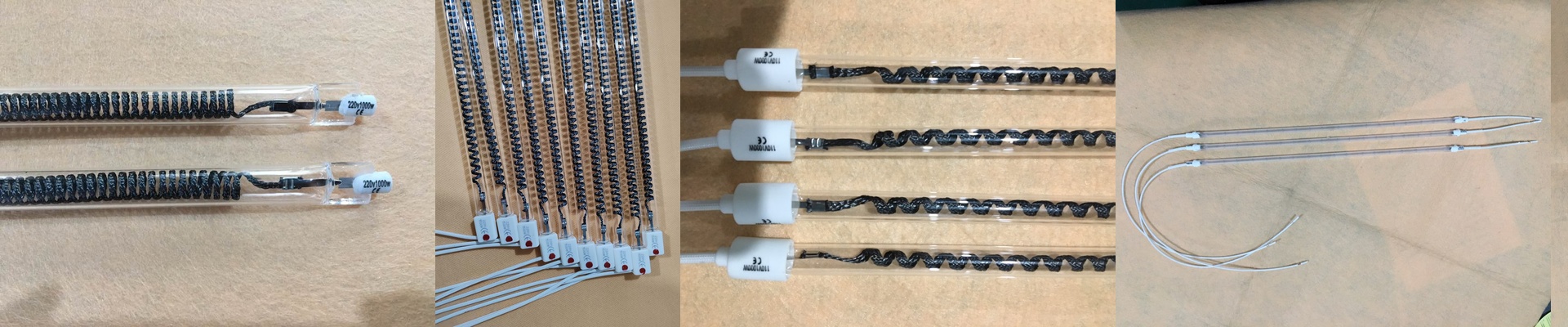
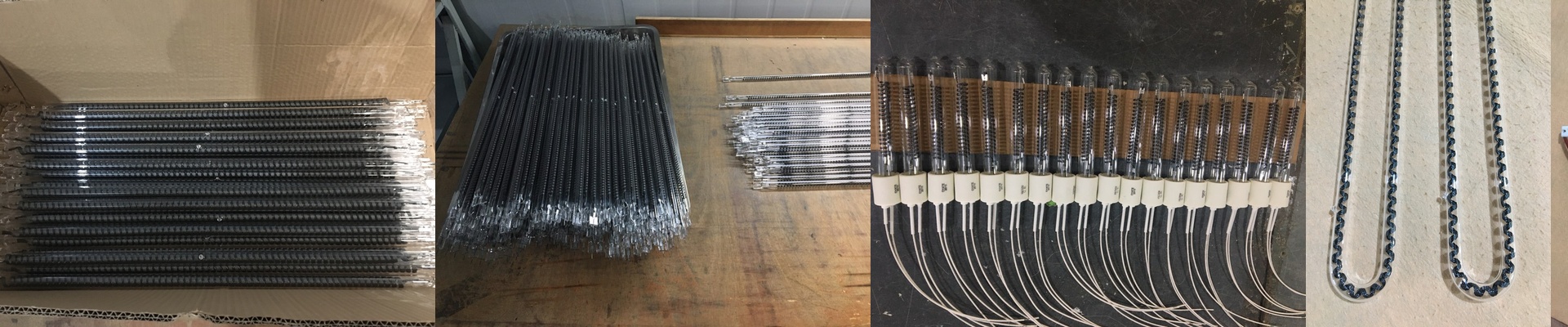
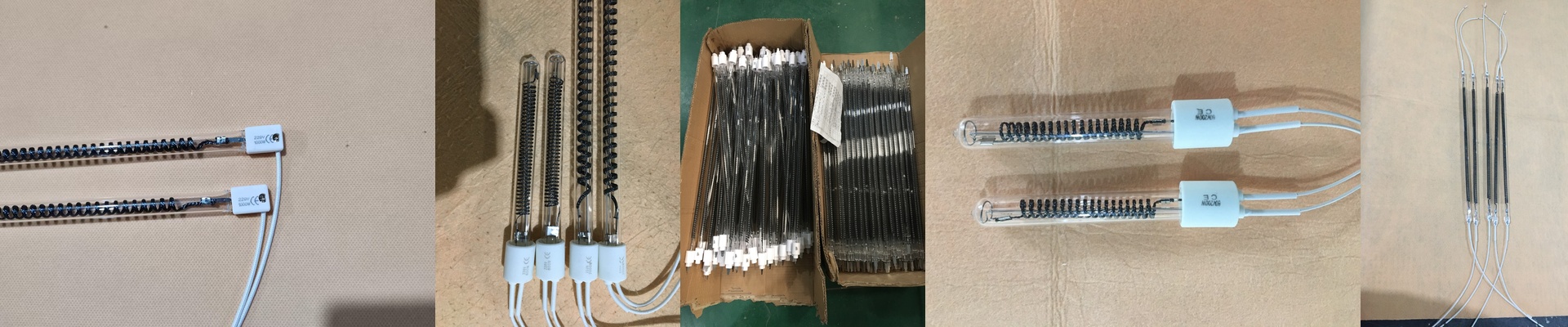
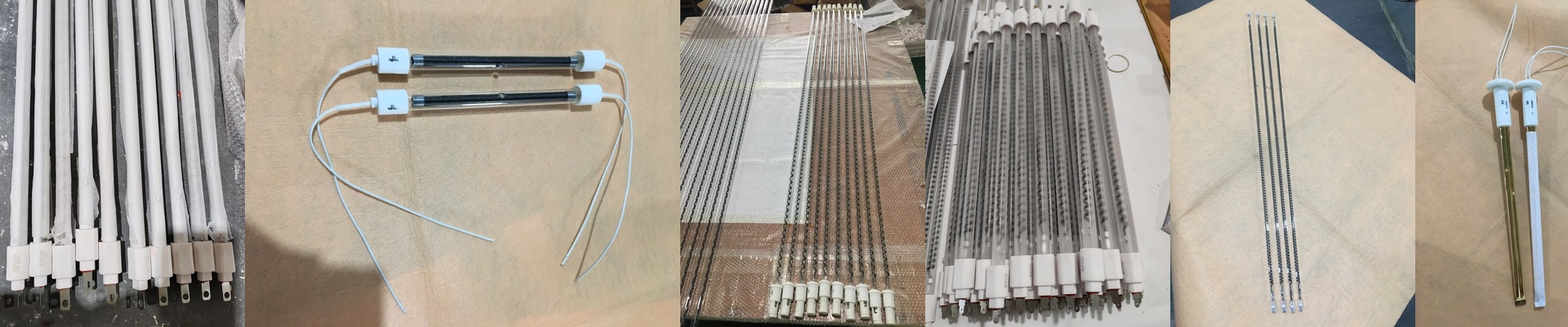
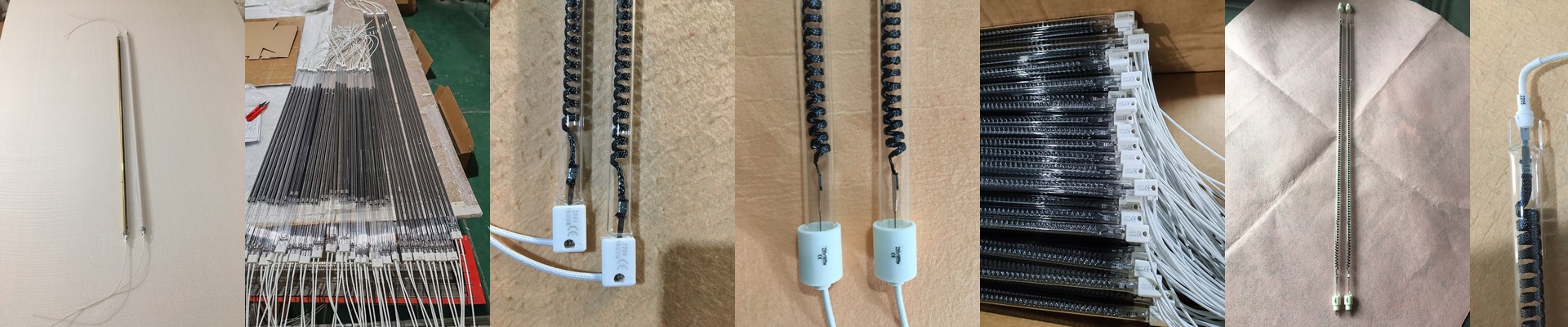
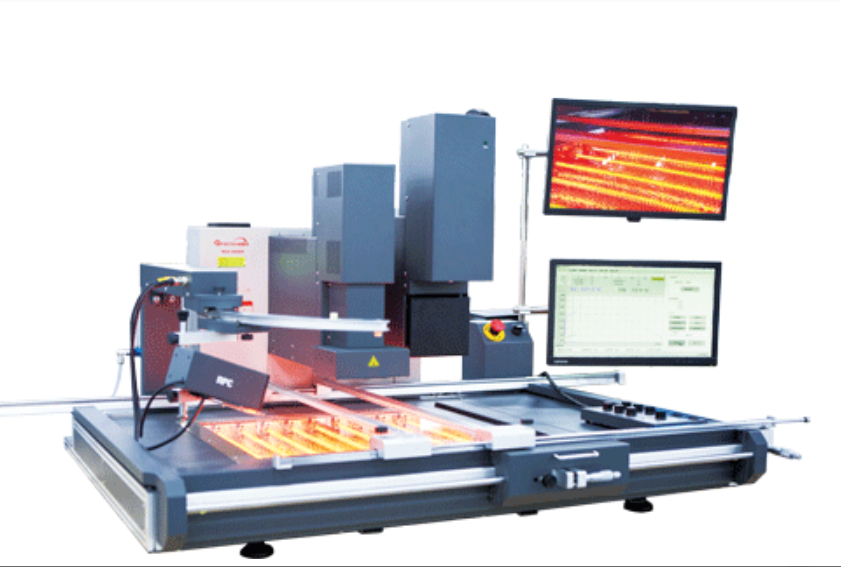
Let’s be honest: working on smartwatch PCBs is a nightmare. Everything is crammed together. You’ve got these tiny, microscopic solder joints and components so small they practically vanish if you sneeze. If you try to use a standard hot air gun, you’re playing a dangerous game. One wrong gust of air and you’ve just blown a capacitor right off the board. Or worse, you melt the plastic housing before the solder even gets warm. That’s why we use targeted infrared (IR) heating lamps. Instead of blowing hot air everywhere, IR gives you a controlled “thermal soak.” It softens the solder exactly where you need it without messing with the rest of the assembly. Getting the heat right We stick with short-wave infrared emitters. Why? Because they actually punch through the solder mask better than long-wave heat. The trick is the wattage-per-centimeter ratio. You need enough punch to hit that lead-free solder melting point (around 217°C) in a few seconds. But you can’t just crank it to eleven. If you push too much power into such a small area, you’ll actually peel the layers of the PCB apart. It’s a balancing act—you want a fast ramp-up, but not so fast that you shock the board. Built for the grind We build these lamps with high-purity quartz glass. It’s tough. It can handle the constant heating and cooling cycles without cracking under the pressure. Some of our tubes have a special coating that bounces the IR energy forward, right onto the workpiece, so no heat goes to waste. We also use standard R7s or SK15 connectors. I did this on purpose. When a tube burns out in the middle of a shift, you don’t want to be messing with custom wiring. You just pop a new one in and get back to work. A few things to watch out for Setting up an IR lamp is all about the distance. Too close, and you get “hot spots” that can fry your board. Too far, and the heat just disappears into the air. And remember: IR heats things up fast, but the board stays hot. I usually pair the lamp with a vacuum pickup tool. That way, the second the solder flows, you can pluck the component right off. One last tip: these quartz tubes get incredibly hot. If your housing isn’t vented properly, you’ll end up melting your own plastic shielding. Keep it airy.