Why we insist on 99.99% purity quartz for Smart meter PCBs
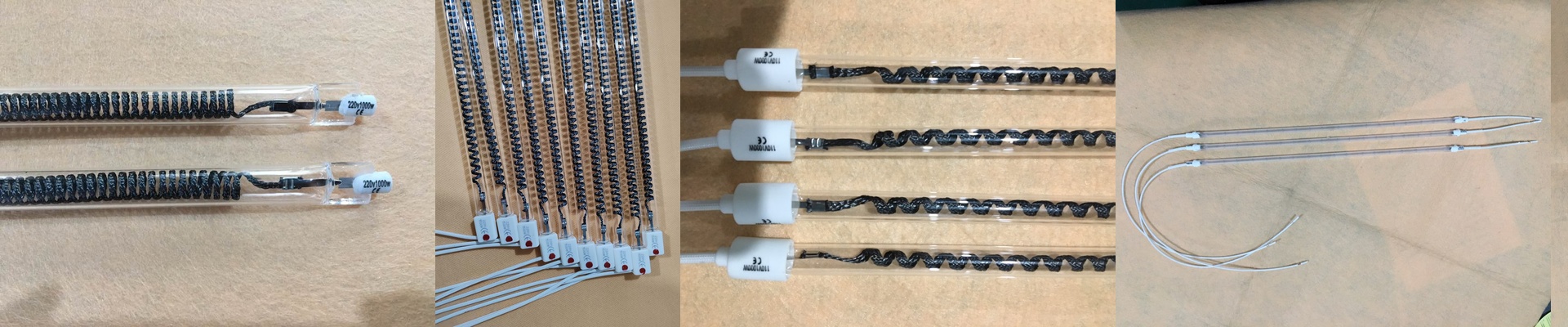
When you’re building heating lamps to cure or dry smart meter PCBs, it’s easy to think of the glass as just a protective shell for the filament. But it’s actually more like a filter. If that filter is cloudy—even in ways you can’t see—you’re fighting a losing battle. That’s why we stick to high-purity synthetic quartz. The jump from “standard” quartz to 99.99% purity is what determines whether you’re wasting electricity or hitting your target temperature in a few seconds. The problem with “standard” quartz Most of the quartz tubes you’ll find out there have tiny bits of aluminum or iron hiding in them. You can’t see them, but the infrared (IR) waves can. Those impurities soak up the heat. Instead of the energy shooting straight through the glass and hitting the PCB, the glass itself starts getting hot. It’s inefficient. By using 99.99% purity, we make sure the short-wave and medium-wave energy actually reaches the board. More heat on the PCB, less trapped in the tube. Simple as that. Dealing with the stress PCB heating isn’t a steady climb; it’s a series of quick bursts. You’re flipping the lamps on and off constantly. Cheaper glass hates this. It develops these tiny micro-cracks over time because the molecular structure isn’t consistent. But high-purity quartz is a different beast. It handles that thermal shock without breaking a sweat, which means you aren’t replacing tubes every few months because they snapped during a power ramp-up. The catch (and how to handle it) Now, there’s a trade-off. This stuff is more expensive to make and a bit more temperamental during setup. Here’s a pro tip:do not touch these tubes with greasy gloves. Any oil from your skin will bake right into the surface once things get hot. This creates “hot spots” that can kill the tube prematurely. Tell your techs to give them a quick wipe with isopropyl alcohol before they wire everything up. It takes ten seconds and saves you a massive headache later. If you try to cut corners with lower-grade quartz, you’ll end up cranking up the power just to get the same result. That puts a lot of unnecessary strain on your power supply and makes your cooling fans work overtime. It’s just easier to do it right the first time.